Picture yourself gliding through the water, unburdened by heavy tanks or cumbersome gear. Portable underwater breathing systems unlock a new level of freedom for shallow-water exploration. This guide dives into how these mini dive systems operate, their innovative tankless compressor technology, a comparison of the BLU3 Nomad and Nomad Mini, crucial safety and training insights, the brilliance of Smart Reg, and real-world applications—all while highlighting how these compact wonders champion ocean conservation. If you’re a casual diver, an underwater shutterbug, a boat enthusiast, or a keen snorkeler, discover why a portable tankless dive system is your ultimate ticket to effortless, responsible underwater discovery.
What Exactly is a Mini Dive System and How Does a Portable Underwater Breathing System Work?
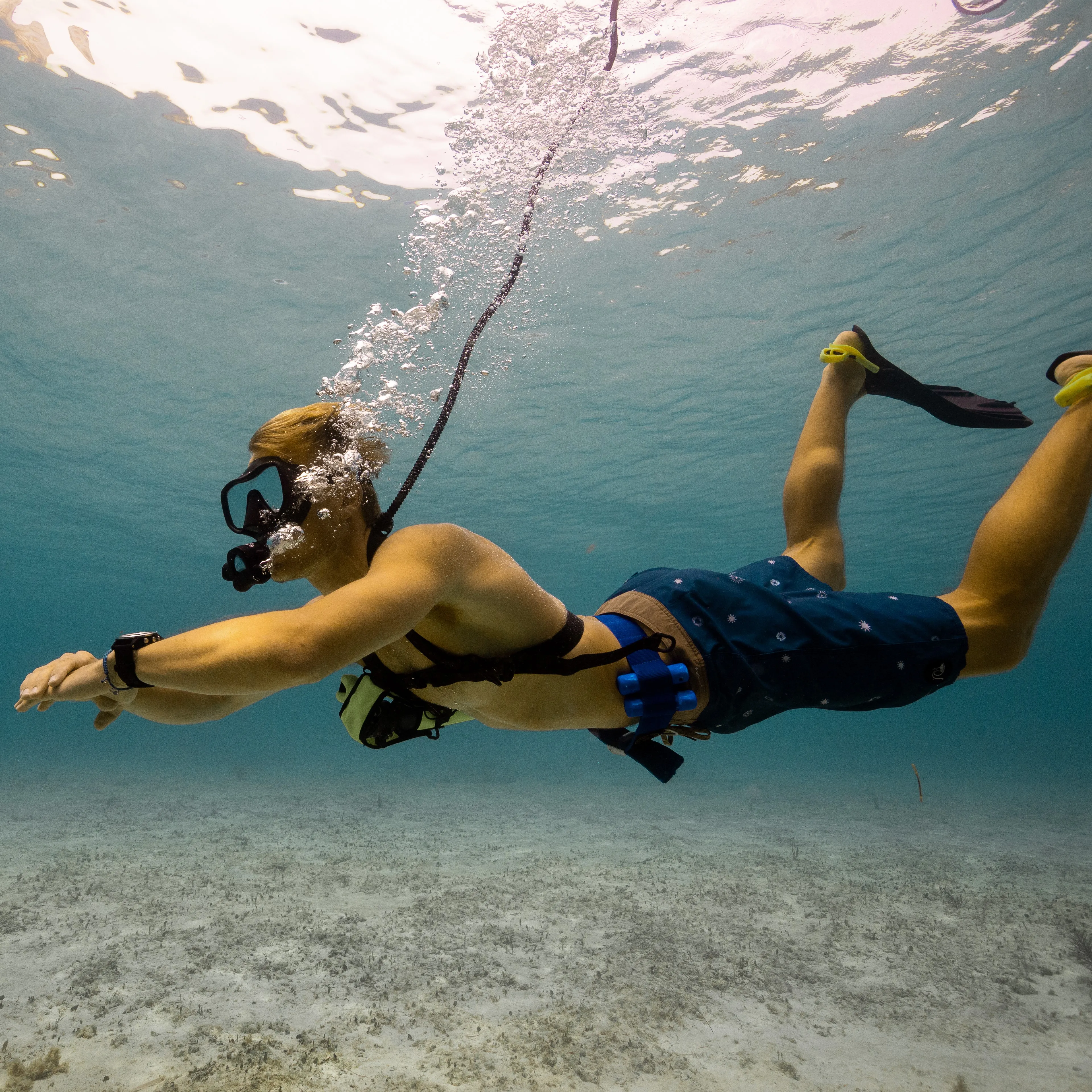
A mini dive system is essentially a streamlined, surface-supplied air setup. It uses a battery-powered compressor to deliver breathable air through a low-drag hose directly to your regulator, ditching the need for bulky cylinder tanks. This clever design pulls compressed air from the surface, giving you extended breathing time and significantly reducing physical exertion. For instance, a diver using the BLU3 Nomad Mini can stay submerged for up to 40 minutes with minimal fuss, making shallow dives and pool upkeep incredibly straightforward. Grasping this fundamental concept sets the stage for understanding tankless diving and surface-supplied air principles.
What Sets a Tankless Dive System Apart and What is Surface Supplied Air Diving?
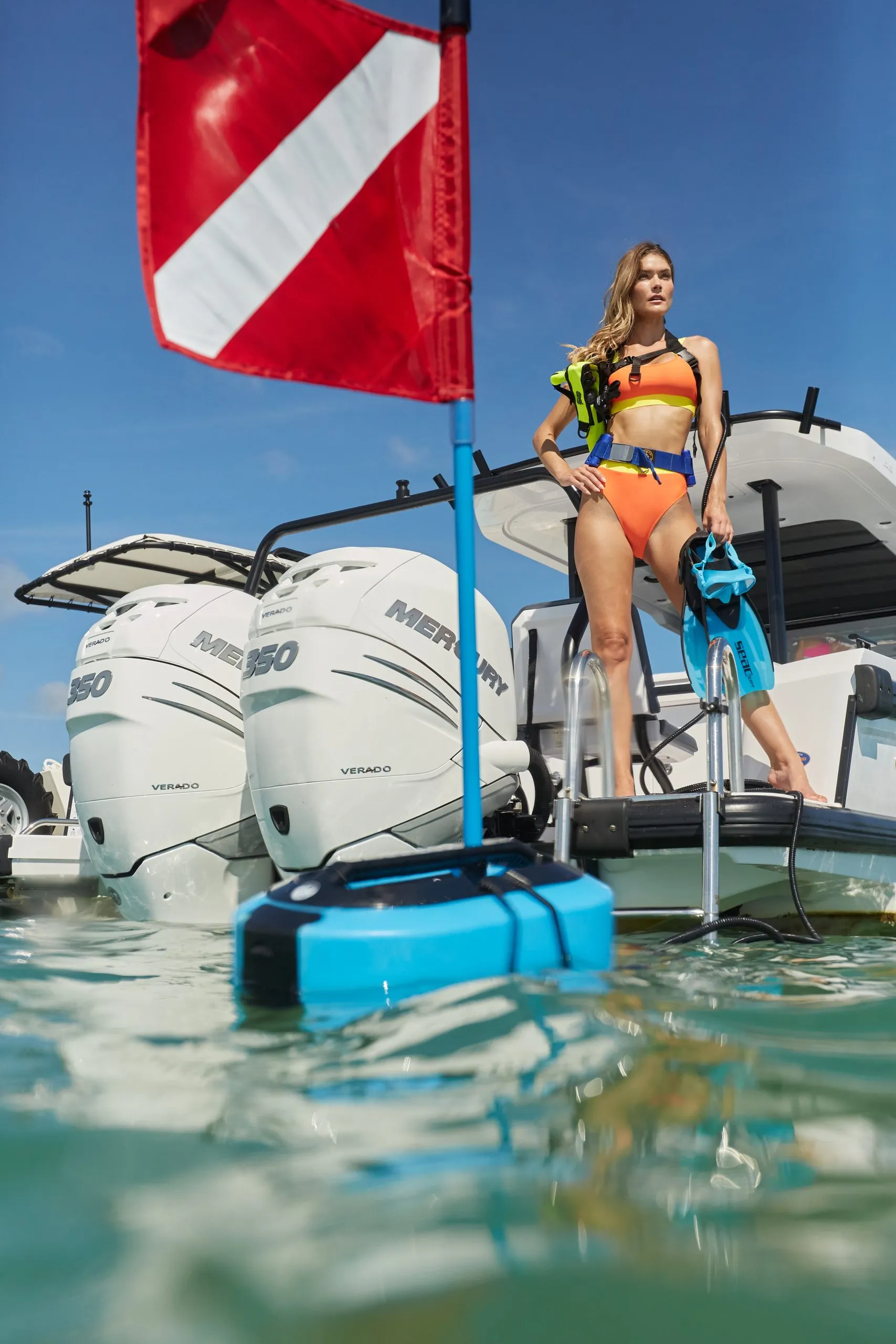
Tankless dive systems are designed to float effortlessly on the water’s surface, housing a compressor that draws in ambient air and pressurizes it through a hose. Surface-supplied air diving, in general, refers to any setup where the air source remains above the water. Tankless systems bypass traditional SCUBA cylinders, offering a lighter environmental and logistical footprint. This configuration cuts down on onboard weight and simplifies gear preparation, paving the way to explore how battery-powered delivery works.
How Does a Battery-Powered Dive System Deliver Air Underwater?
A battery-powered dive system transforms electrical energy into mechanical action. The integrated battery powers a compact pump that compresses incoming air before sending it through a flexible hose to the diver’s regulator. BLU3’s proprietary technology features smart sensors that gauge your breathing needs, adjusting the motor’s speed to conserve power and maintain a steady air supply. This intelligent regulation ensures consistent breathing pressure, even as you change depth, bringing us to the core components of these systems.
What Are the Key Components of the BLU3 Nomad and Nomad Mini Systems?
- A robust lithium-ion battery pack that powers a high-efficiency air compressor
- The Smart Reg® regulator, which intelligently monitors your breathing and adapts to depth changes
- A sleek, anti-kink hose designed for minimal drag
- A low-profile float that keeps the compressor stable on the water’s surface
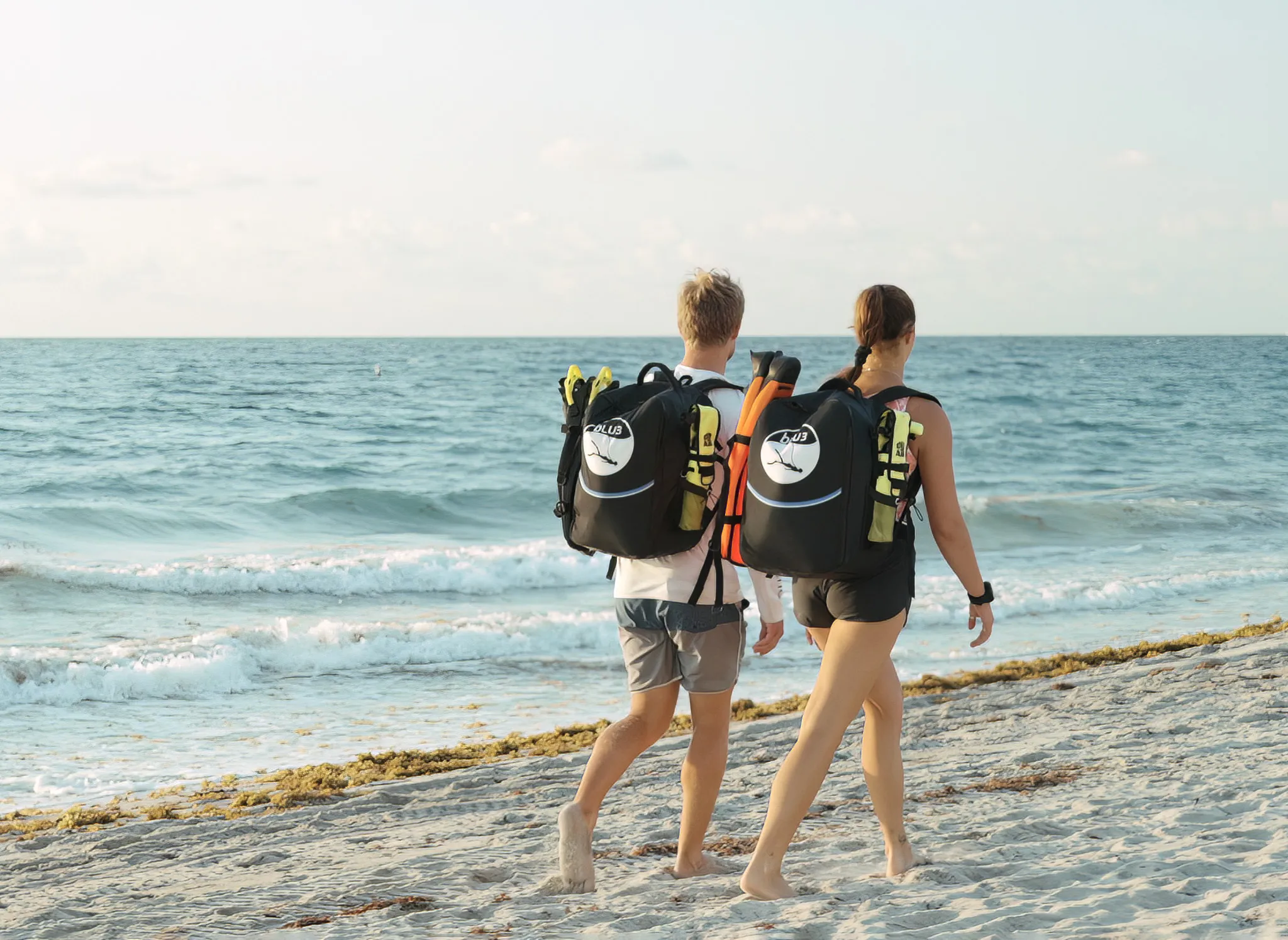
- A durable backpack for effortless transport and storage
Each element is engineered to work seamlessly together, maximizing performance and portability, and underscoring why a portable dive system truly stands out.
Why Opt for a Portable Diving System? Key Features and Benefits of Mini Dive Systems
Portable underwater breathing systems are revolutionizing recreational diving by offering unparalleled mobility, user-friendliness, and cost-effectiveness. Their tankless design eliminates the need for heavy gas cylinders, while integrated battery packs and Smart Reg technology simplify every aspect of operation. These advancements boost diver confidence, slash logistical challenges, and open up the underwater world to a wider audience.
How Does Portability Elevate Underwater Exploration?
These compact dive compressors weigh under 15 pounds and easily fit into backpacks, allowing for rapid deployment from boats, docks, or directly from the shore. Whether you’re capturing the beauty of reef life or inspecting your boat’s hull, portability means no more wrestling with bulky equipment carts and significantly less setup time. This allows you to spend more precious moments immersed in the underwater world and less time fiddling with gear.
What Are the Advantages of Tankless Diving Compared to Traditional Scuba?
- Significantly Lighter—no heavy cylinders to haul around
- Travel-Friendly—battery packs meet airline regulations for lithium-ion batteries under 100 Wh (160 Wh for the Nomad)
- Simplified Maintenance—no need for tank fills or hydrostatic testing
- Accessible Diving—includes a complimentary BLU3 Online Dive Training Course (SCUBA certification is also recommended)
These advantages translate into smoother adventures and potential cost savings, ultimately enhancing your overall diving enjoyment.
The Perks of Tankless Diving
Research indicates that tankless diving systems offer distinct advantages, including reduced weight and enhanced portability, making them ideal for a wide range of underwater activities. These systems also simplify travel, as they are generally airline-friendly.
Smith, B., “Advancements in Tankless Diving Technology” (2023)
This reference supports the discussion on the benefits of tankless diving over conventional scuba equipment.
How Do Battery Life and Runtime Influence Your Dive Experience?
Your battery capacity directly dictates how long you can stay underwater. A standard Nomad battery pack provides 45–60 minutes of dive time, while the Nomad Mini offers 35–40 minutes per charge. Longer runtimes mean you can explore deeper or spend more time capturing stunning underwater photos. Plus, the quick-swap battery design minimizes surface intervals, ensuring your dives remain fluid and uninterrupted.
Comparing the BLU3 Nomad and Nomad Mini: Features, Depth Ratings, and Ideal Use Cases
Every diver has unique needs, and BLU3’s two main offerings are designed to meet a variety of scenarios. This comparison provides clear guidance for making your choice:
| Product | Depth Rating | Runtime | Weight |
|---|---|---|---|
| BLU3 Nomad | 30 ft | 45–60 minutes | 15 lbs |
| BLU3 Nomad Mini | 15 ft | 35–40 minutes | 12 lbs |
The Nomad’s deeper rating is perfect for exploring reefs, hunting for treasure, or lobster diving down to 30 feet. The Nomad Mini, on the other hand, shines for tasks like pool maintenance, hull cleaning, and exploring shallow snorkeling spots. Understanding these differences naturally leads to exploring options for extending your dive time.
What Are the Key Differences in Depth and Runtime Between the Nomad and Nomad Mini?
The Nomad’s 30-foot depth limit and extended runtime are ideal for moderate-depth activities, while the Nomad Mini’s 15-foot limit is tailored for activities closer to the surface. The difference in runtime is primarily due to battery size; Nomad packs contain more cells for longer operation.
Which Portable Dive System is Best for Recreational Diving or Shallow Water Adventures?
Boat owners who need to maintain hulls or clean pools, along with shallow-water treasure hunters, often find the Nomad Mini to be the ideal choice due to its compact size and ease of handling. However, recreational divers and underwater photographers typically gravitate towards the Nomad for its greater depth capability, longer run time, and versatility in exploring reefs and coastal areas.
How Does the DiveBoost Kit Extend Dive Time for the Nomad Mini?
The DiveBoost Kit allows you to connect two battery modules in parallel, effectively doubling your total capacity and providing up to 80 minutes of continuous air supply without needing to swap batteries. This accessory transforms the Nomad Mini into a long-dive powerhouse, perfect for extended underwater sessions. You can even link two DiveBoost Kits to connect three batteries in parallel, tripling your run time.
What Safety and Training Requirements Are Necessary for Using Portable Underwater Breathing Systems?
Using portable dive systems safely requires a solid understanding of equipment limitations, strict adherence to depth limits, and proficiency in operational procedures. Proper training ensures you can recognize hazard signals and maintain your system’s integrity.
Why is the BLU3 Online Dive Training Course Crucial?
BLU3’s complimentary online course covers essential topics such as equipment setup, emergency protocols, battery management, and depth considerations. It equips you with the knowledge and practical skills needed to operate BLU3 dive systems confidently. Mastering these skills before your first dive builds confidence and prepares you to handle any situation that may arise.
How Should You Assess Your Fitness to Dive and Understand Depth Limits?
It’s vital for divers to assess their general health, follow guidelines for shallow diving, and always respect manufacturer-specified depth ratings: never exceed 15 feet with the Nomad Mini or 30 feet with the Nomad. Regular equipment checks and careful planning of surface intervals further enhance your safety margin.
How Does BLU3’s Smart Reg Technology Elevate Mini Dive System Performance?
Smart Reg® is BLU3’s patented breathing-monitoring regulator that dynamically adjusts compressor output to match the diver’s depth. This innovation is key to enabling BLU3 dive systems to be the most compact on the market.
How Does Smart Reg Monitor Breathing to Optimize Battery Life?
Smart Reg utilizes sensors within the regulator to detect inhalation and exhalation cycles, activating the compressor motor only when needed. This intelligent demand-based operation allows the entire system to be designed smaller and lighter than any competing products.
How Does Battery Swapping Work for Extended Dive Sessions?
BLU3 batteries feature user-friendly connectors, making battery swaps incredibly quick, typically taking only about 10-20 seconds. You don’t need to disassemble any part of the system; just ensure you have a dry surface to make the switch.
What Are the Common Applications and Use Cases for Mini Dive Systems?
Mini dive systems cater to a wide array of activities, from leisurely reef exploration to professional maintenance tasks, offering tailored benefits for each specific scenario.
How Do Recreational Divers Benefit from Portable Dive Systems?
Recreational divers gain the freedom of not needing tank refills, experience less physical strain from heavy gear, and appreciate the compact nature of setups that are easy to transport to remote dive spots.
How Are Portable Systems Used for Boat Hull Cleaning and Pool Maintenance?
Boat owners and pool technicians utilize surface-supplied air to conduct hull inspections and remove algae buildup without the need for cumbersome scuba gear. The hose-fed compressor eliminates the hassle of tank changes and simplifies on-site logistics.
What Makes Mini Dive Systems Ideal for Underwater Photography and Treasure Hunting?
Underwater photographers and hobbyists value the simple setup and minimal gear footprint, which leaves ample space for essential equipment like cameras or tools for metal detecting and artifact retrieval.
How Does BLU3 Champion Ocean Conservation Through Portable Dive Systems?
By promoting sustainable diving practices, we aim to minimize environmental impact and foster a deeper sense of conservation among divers. BLU3’s core mission is to introduce more people to the wonders of the underwater world in a way that actively encourages conservation.
What Accessories Enhance the Mini Dive System Experience?
A curated selection of thoughtfully designed accessories can significantly boost the performance, convenience, and safety of your mini dive system operations.
How Does the DiveBoost Kit Extend Battery Life and Dive Time?
By enabling you to connect additional battery modules in parallel, the DiveBoost Kit effectively doubles or even triples your run time, allowing for longer exploration or maintenance dives.
What Are the Benefits of the Dry Bag Float and Reserve Air Tank?
The dry bag float offers extra buoyancy and visibility on the surface, while also serving as a convenient storage compartment for your items during the dive. The compact reserve air tank provides a crucial emergency air supply, adding an essential layer of redundancy in case of an out-of-air situation.
How Does the BLU3 Backpack Improve Portability and Storage?
The custom-designed BLU3 Backpack features dedicated compartments for your compressor, batteries, regulator, and hose, ensuring everything is organized for streamlined transport and rapid deployment at any dive location.
What Are the Frequently Asked Questions About Mini Dive Systems and Portable Underwater Breathing?
Divers often inquire about certification requirements, airline travel, equipment maintenance, and suitability for beginners. While formal certification isn’t strictly required for shallow-water tankless systems, BLU3 strongly recommends it. Regardless of certification status, all users must complete the BLU3 Online Dive Training Course before using any BLU3 products. Both the Nomad and Nomad Mini comply with airline battery regulations for lithium-ion batteries under 100/160 Wh, making them easy to pack for travel. Regular rinsing, hose inspections, and proper battery care are essential for maximizing your system’s lifespan. Portable dive systems are an excellent choice for beginners who commit to respecting depth limits and completing the BLU3 training course, seeking additional guidance if needed.
Mini dive systems deliver a truly transformative diving experience by seamlessly blending portability with high performance. Whether you’re cleaning a boat hull, capturing stunning marine photography, or simply enjoying a relaxed dip in the ocean, these systems redefine accessible underwater adventure.