Frequently Asked Questions
What equipment is required for hookah diving?
The equipment required for hookah diving includes a surface-supplied air system, a long air hose, a diving mask, fins, weight belt, and other options.
Is hookah diving suitable for all ages?
Hookah diving may not be suitable for all ages as it requires certain physical capabilities and training. The suitability of hookah diving can depend on factors such as age, health conditions, and prior diving experience.
What is the maximum depth for hookah diving?
The maximum depth for hookah diving is typically around 30 feet (9 meters) due to the limitations of the air compressor.
What is the primary purpose of hookah diving?
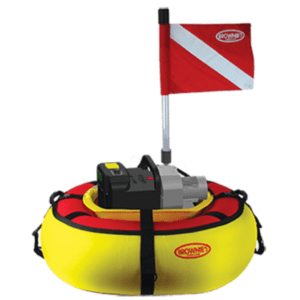
Hookah diving provides compressed air from the surface through a floating system, allowing divers to explore underwater for extended periods without carrying heavy scuba tanks—making it especially useful for activities like boat hull cleaning, shallow reef exploration, and light underwater work.
Is certification necessary for hookah diving?
Certification is not typically required for hookah diving, as it is a form of surface-supplied diving. However, proper training and adherence to safety protocols are still recommended for this type of underwater activity.
How does hookah diving differ from scuba diving?
Hookah diving differs from scuba diving in that the diver is supplied with air from a surface-based compressor through a hose, rather than carrying a self-contained breathing apparatus on their back.
Can I rent scuba diving gear for a trip?
Yes, you can rent scuba diving gear for a trip. BLU3 offers a convenient rental service for its tankless dive systems, allowing travelers to explore the underwater world without the hassle of transporting their own equipment.
How do I maintain my scuba diving equipment?
Maintaining scuba diving equipment involves proper cleaning, inspection, and storage after each use to ensure optimal performance and longevity.
What is the best scuba diving gear for beginners?
The best scuba diving gear for beginners includes a mask, snorkel, fins, buoyancy control device, regulator, and tank. These essential items provide the necessary equipment for safe and comfortable underwater exploration.
What are the advantages of hookah diving?
Hookah diving eliminates the need to carry or refill heavy scuba tanks, since air is supplied from the surface. Systems like Nomad are battery-powered, so dive time is limited by battery life rather than tank capacity. The equipment is lighter, easier to transport, and well-suited for activities such as boat hull cleaning, shallow reef exploration, and light underwater work.
How do I prepare for hookah diving?
Preparing for hookah diving involves ensuring your diving equipment, including the hookah system, is in proper working condition, and familiarizing yourself with the setup and operation of the system before the dive.
What safety gear is needed for hookah diving?
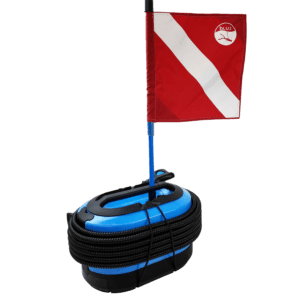
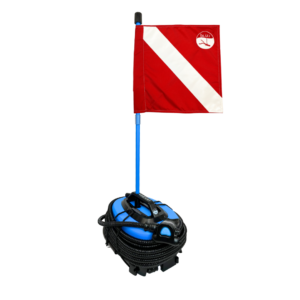
Hookah divers should always use a dive flag and float for surface visibility, a weight belt for buoyancy control, and a properly fitting mask, fins, and snorkel. A wetsuit or rash guard is recommended for thermal protection and comfort. All users must complete the BLU3 Online Dive Training Course before their first dive and should follow standard dive practices, including carrying a backup air source or snorkel for surfacing if needed.
Can hookah diving be done solo?
Hookah diving solo is generally not recommended for safety reasons. It is recommended to always dive with a buddy.
What is the ideal water temperature for hookah diving?
The ideal water temperature for hookah diving is typically between 70°F (21°C) and 85°F (29°C). This temperature range provides comfortable conditions for extended underwater exploration while using a surface-supplied air system.
How do I choose a hookah diving location?
Choosing a suitable hookah diving location involves considering factors like water conditions, marine life, accessibility, and safety regulations to ensure an enjoyable and secure diving experience.
What are common mistakes in hookah diving?
Common mistakes in hookah diving include skipping training, exceeding depth limits, ignoring currents, not monitoring battery life, and failing to use a float and flag.
How does hookah diving impact marine life?
Hookah diving has little direct impact on marine life, but divers must avoid touching coral or disturbing animals to protect underwater ecosystems.
What training is available for hookah diving?
Training for hookah diving includes the BLU3 Online Dive Training Course required for BLU3 products, with scuba certification recommended for broader diving knowledge.
What is the best time of year for hookah diving?
The best time of year for hookah diving is typically during the warmer months, when water temperatures are more comfortable and visibility is generally better.
How do I troubleshoot hookah diving equipment?
Troubleshooting hookah diving equipment involves checking the air supply, hoses, and regulators for any leaks or obstructions, ensuring proper airflow, and inspecting the equipment for any damage or wear and tear.
What are the health risks of hookah diving?
The health risks of hookah diving include barotrauma, lung over-expansion injuries, and decompression issues if proper training, limits, or medical fitness are ignored.
How does hookah diving affect buoyancy control?
Hookah diving requires buoyancy control through proper weighting, breathing, and technique since no buoyancy compensator is provided.
What accessories enhance the hookah diving experience?
Accessories that enhance hookah diving include a weight belt, wetsuit, mask, fins, snorkel, dive flag with float, and extra batteries.
What is the history of hookah diving?
The history of hookah diving dates back to the early 1800s, when divers used a hose connected to a surface-supplied air source to breathe underwater for extended periods.
How do I find a hookah diving community?
To find a hookah diving community, you can search online for local dive clubs or forums that cater to hookah diving enthusiasts. Many of these communities often organize events and provide resources for those interested in this type of underwater exploration.
What are the environmental considerations for hookah diving?
The environmental considerations for hookah diving include avoiding coral contact, minimizing sediment disturbance, and respecting marine life and local regulations.
How can I improve my hookah diving skills?
Improving hookah diving skills involves completing the BLU3 Online Dive Training Course, practicing buoyancy control, and gaining experience in varied conditions.
What are the differences in gear for hookah diving?
Gear for hookah diving differs from scuba by using a surface air hose and battery-powered system instead of tanks, with mask, fins, weight belt, and dive flag.