Surface Supplied Air diving with BLU3 Nemo, Nomad, and Nomad Mini products is a fun and exciting way to explore the shallow depths of the underwater world. As with any underwater adventure that relies on air delivery equipment there are inherent risks that may result in serious illness, injury or death. Whether you're a seasoned diver or just starting on your underwater adventures, we strongly encourage you to familiarize yourself with the operational guidelines and safety warnings provided with our products. Below, you will find a comprehensive list of safety warnings for all our BLU3 dive systems. Please read them carefully and be sure to complete the BLU3 Online Dive Training Course prior to using any BLU3 products.
Do NOT hold your breath while diving. Breath-holding may lead to serious injury or death.
Do NOT operate product out of water, air supply may shut off due to overheating.
Strong magnets. Persons with pacemakers or medical implants stay back at least 2 feet (60 cm).
Storage and Environment Warnings
Do NOT store in temperatures exceeding 60 degrees Celsius / 140 degrees Fahrenheit.
Use only in areas where air supply is clean and not contaminated by toxic fumes or gases.
Preparation for Out-of-Air Situations
Always be prepared for out-of-air situations. Dive system may abruptly stop delivering air.
Underwater entanglement when out-of-air, such as after battery depletion, will result in drowning.
Product Handling Warnings
Always uncoil and remove the entire air hose from BLU3 dive systems prior to use.
Take care to not damage or alter the air hose or other components of BLU3 dive systems.
Always ensure all battery connectors are properly mated and waterproof prior to use.
Always remove the air intake plug prior to connecting battery.
Additional Information and Resources
It's crucial to follow the warnings and guidelines provided with our products for your safety and the longevity of the equipment. If you have any questions or need additional information beyond what's provided in the manuals or on this page, please do not hesitate to contact our dedicated support team at support@diveblu3.com.
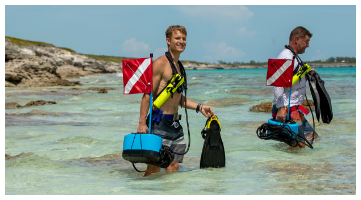
I've always wanted to scuba dive, without the scuba stuff. It all just seems intimidating. So after going over some alternatives, this seemed like the logical step. After you take the well put together online course, you're pretty much ready to hit the water. The Nomad worked amazingly on its first use! I was shocked at how user friendly the whole thing is and how comfortable I felt going out and using it. This is really a great product and I look forward to many more adventures with it!
by Gabriel Garcia
"...it only took a few minutes to setup!"
I have had my eyes on the Nemo for a while after seeing Michael Oliver on YouTube, it seemed like a very practical machine because of its size and weight. I have my scuba diving license and I know first hand what a pain it is to carry your diving gear down to a beach or to a unique hidden spot and I am not a fan of it. When I got the Blu3 Nemo I was not sure how good it would be. It came with a nice backpack and was pretty straight forward setting it up. I tried it in a pool first so I could get a feel for it. Then I went tot my local lake and did some underwater metal detecting. It was so it easy to carry it down to the swim hole I was going to metal detect in and only took a few minutes to set up. Only difference I noticed was that I had to breath in a bit more than a regular scuba tank so I could activate air delivery system, but after a few minutes I did not even notice this, I was underwater for about 35 minutes the first time and how not issues. Plenty of battery left. Look forward to using it more in the summer.

Fast Shipping

Assembled in the USA

Make Payments

Airplane / Travel Friendly
[smartslider3 slider="19"]
Follow Our Bubbles
Stay up-to-date with the latest news and products from BLU3.
Understanding the Risks of Surface Supplied Air Diving
Surface supplied air diving presents unique risks that divers must understand to ensure their safety. These risks include equipment malfunction, entanglement, and the potential for drowning if air supply is interrupted. Being aware of these hazards is crucial for both novice and experienced divers.
For instance, divers must recognize that operating the BLU3 systems out of water can lead to overheating, which may cause the air supply to shut off. Additionally, understanding how to respond to unexpected situations, such as battery depletion, is essential for preventing accidents underwater.
Essential Pre-Dive Checklist
Before embarking on any diving adventure with BLU3 systems, it is vital to follow a comprehensive pre-dive checklist. This checklist ensures that all equipment is functioning properly and that divers are adequately prepared for their underwater experience.
The pre-dive checklist should include verifying that the air supply is fully charged, checking the integrity of the diving gear, and ensuring that all safety warnings and operational guidelines are understood. Completing this checklist can significantly reduce the likelihood of accidents during the dive.
Post-Dive Procedures and Safety Checks
Post-dive procedures are just as important as pre-dive preparations. After completing a dive with BLU3 systems, divers should perform a series of safety checks to ensure their well-being and the proper maintenance of the equipment.
This includes checking for any signs of wear or damage on the equipment, ensuring that the air supply is refilled and stored correctly, and discussing the dive experience with fellow divers. Reflecting on what went well and what could be improved helps enhance future diving experiences.
Training and Certification for Safe Diving
Investing in proper training and certification is essential for anyone looking to dive safely with BLU3 systems. Completing an online training course equips divers with the knowledge needed to operate the equipment effectively and respond to emergencies.
Certification programs often cover critical topics such as dive planning, emergency protocols, and equipment handling. By obtaining certification, divers not only enhance their skills but also increase their confidence in managing potential risks associated with diving.
Understanding the Risks of Surface Supplied Air Diving
Surface supplied air diving presents unique risks that divers must understand to ensure their safety. These risks include equipment malfunction, entanglement, and the potential for drowning if air supply is interrupted. Being aware of these hazards is crucial for both novice and experienced divers.
For instance, divers must recognize that operating the BLU3 systems out of water can lead to overheating, which may cause the air supply to shut off. Additionally, understanding how to respond to unexpected situations, such as battery depletion, is essential for preventing accidents underwater.
Essential Pre-Dive Checklist
Before embarking on any diving adventure with BLU3 systems, it is vital to follow a comprehensive pre-dive checklist. This checklist ensures that all equipment is functioning properly and that divers are adequately prepared for their underwater experience.
The pre-dive checklist should include verifying that the air supply is fully charged, checking the integrity of the diving gear, and ensuring that all safety warnings and operational guidelines are understood. Completing this checklist can significantly reduce the likelihood of accidents during the dive.
Post-Dive Procedures and Safety Checks
Post-dive procedures are just as important as pre-dive preparations. After completing a dive with BLU3 systems, divers should perform a series of safety checks to ensure their well-being and the proper maintenance of the equipment.
This includes checking for any signs of wear or damage on the equipment, ensuring that the air supply is refilled and stored correctly, and discussing the dive experience with fellow divers. Reflecting on what went well and what could be improved helps enhance future diving experiences.
Training and Certification for Safe Diving
Investing in proper training and certification is essential for anyone looking to dive safely with BLU3 systems. Completing an online training course equips divers with the knowledge needed to operate the equipment effectively and respond to emergencies.
Certification programs often cover critical topics such as dive planning, emergency protocols, and equipment handling. By obtaining certification, divers not only enhance their skills but also increase their confidence in managing potential risks associated with diving.