
Electric vs Traditional Paddle Boards: Key Differences and User Benefits Explained
By Blake Carmichael, BLU3
Electric paddle boards are transforming the way enthusiasts approach touring, fishing, exploring, and recreational paddling by offering enhanced mobility and reduced physical strain. Unlike traditional paddle boards that rely solely on manual effort, electric models incorporate motors and batteries to assist users, making longer distances and challenging conditions more accessible. This article explores the key differences between electric and traditional paddle boards, focusing on their features, benefits, and user experiences. Readers will gain insight into the technological advancements in electric paddle boards, the characteristics of traditional boards, and how these factors influence cost and environmental impact. By understanding these distinctions, potential buyers can make informed decisions that align with their preferences and needs.
What Are the Main Features of Electric Paddle Boards?
Electric paddle boards, often referred to as e-SUPs, are designed with integrated motors and batteries that enhance the paddling experience. These boards typically feature paddle assist technology, allowing users to enjoy a more relaxed ride without exerting as much physical effort. The user-friendly controls make it easy for beginners to navigate, while experienced paddlers can benefit from the added speed and efficiency.
How Do Motor and Battery Technologies Define Electric SUPs?
The performance of electric paddle boards is significantly influenced by their motor and battery technologies. High-quality motors provide better thrust and speed, allowing users to cover greater distances with less effort. This additional thrust is especially helpful when paddling into headwinds or currents, enabling users to conserve energy during extended outings. Battery capacity is crucial as it determines the runtime of the board; larger batteries can support longer excursions without the need for frequent recharging. Additionally, advancements in battery technology, particularly the use of lithium-ion batteries, have led to lighter and more efficient designs, enhancing the overall user experience.
What Performance Metrics Distinguish Electric Paddle Boards?
When comparing electric paddle boards to traditional ones, several performance metrics stand out. Electric boards generally offer superior speed, allowing users to travel faster across the water. Battery life is another critical metric, with many electric boards providing several hours of use on a single charge. Maneuverability is also a key factor; while electric boards can be heavier due to their components, many models are designed to maintain agility and responsiveness on the water.
| Feature | Electric Paddle Boards | Traditional Paddle Boards |
|---|---|---|
| Propulsion | Electric motor with paddle assist system | Manual paddling only |
| Physical Effort | Reduced fatigue and easier long-distance paddling | Higher physical exertion and full-body workout |
| Speed | Faster cruising speeds with motor assistance | Dependent entirely on paddler strength and technique |
| Range | Longer exploration range with battery support | Limited by user endurance and conditions |
| Wind & Current Handling | Motor assistance helps in headwinds and currents | Requires greater physical effort in challenging conditions |
| Accessibility | Ideal for beginners, older paddlers, anglers, and touring users | Best suited for fitness-focused and traditional paddlers |
| Portability | Slightly heavier due to motor and battery system | Lighter overall, especially inflatable SUPs |
| Battery Requirements | Requires charging and battery maintenance | No charging or electrical components required |
| Noise Level | Quiet electric operation | Virtually silent |
| Environmental Impact | No fuel emissions and low-impact exploration | Lowest operational environmental footprint |
| Average Price Range | $800–$2,500+ | $300–$1,500+ |
| Best Use Cases | Touring, fishing, exploration, long-distance paddling | Fitness, surfing, recreation, traditional paddling experience |
What Are the Benefits and Characteristics of Traditional Paddle Boards?
Traditional paddle boards are favored for their simplicity and the physical engagement they offer. These boards are typically made from materials like fiberglass, epoxy, or inflatable PVC, which contribute to their durability and performance. The design variations available allow users to choose boards that suit their specific paddling style, whether for racing, touring, or leisure.
Which Materials and Designs Are Common in Manual Paddle Boards?
Common materials used in traditional paddle boards include fiberglass and epoxy, which provide lightweight yet sturdy construction. Inflatable boards are also popular due to their portability and ease of storage. The design of these boards can vary significantly, with options ranging from wide, stable shapes for beginners to sleek, narrow designs for advanced paddlers seeking speed.
How Do Portability and Durability Impact Traditional SUP Use?
Portability is a significant advantage of traditional paddle boards, especially inflatable models that can be easily deflated and packed away. Durability is equally important; high-quality materials ensure that boards can withstand the rigors of regular use in various water conditions. User experiences often highlight the satisfaction of engaging in a full-body workout while paddling, making traditional boards a preferred choice for fitness enthusiasts.
How Do Electric and Traditional Paddle Boards Compare on Cost and Environmental Impact?
The cost of paddle boards can vary widely based on their type and features. Electric paddle boards tend to be more expensive due to the added technology, while traditional boards generally offer a more budget-friendly option. Understanding the long-term costs associated with maintenance and energy consumption is essential for potential buyers.
What Are the Price Differences Between Motorized and Manual SUPs?
Electric paddle boards typically range from $800 to $2,500, depending on the brand and features. In contrast, traditional paddle boards can be found for as low as $300, with high-end models reaching up to $1,500. Factors influencing these prices include the materials used, brand reputation, and additional features such as storage compartments and adjustable fins.
How Does Each Type Affect the Environment Differently?
The environmental impact of paddle boards varies significantly between electric and traditional models. Electric paddle boards offer a low-impact exploration option with quieter operation and no fuel emissions, making them ideal for sensitive environments such as springs, mangroves, calm coastal waterways, and shallow areas where noise from gas-powered craft would be disruptive. While they require electricity for charging, this energy use is often minimal and can be sourced sustainably. Traditional paddle boards have an even lower environmental footprint during use since they rely solely on human power; however, the materials used in their production can have environmental implications, particularly if not sourced sustainably.
What User Experience and Safety Considerations Should Buyers Know?
User experience and safety are paramount when choosing between electric and traditional paddle boards. Each type offers unique advantages and challenges that can affect the overall enjoyment of the sport. Understanding these factors can help users make safer and more enjoyable choices.
How Does Exercise Intensity Vary Between Electric and Traditional Boards?
The exercise intensity experienced while using electric paddle boards is generally lower than that of traditional boards. While electric boards provide the convenience of motor assistance, traditional boards require more physical effort, making them ideal for those seeking a rigorous workout. Users often report feeling more engaged and physically challenged when paddling manually, which can enhance fitness benefits.
What Safety Tips Are Essential for Motorized and Manual Paddle Boards?
Safety is crucial for all paddle boarders, regardless of the type of board. Essential safety tips include wearing a personal flotation device (PFD), being aware of weather conditions, and maintaining a safe distance from other watercraft. For electric paddle board users, it is also important to monitor battery levels and ensure that the board is fully charged before heading out.
What Are the Latest Trends and Market Insights for Electric vs Traditional Paddle Boards?
The paddle board market is evolving, with new trends emerging that reflect changing consumer preferences and technological advancements. Understanding these trends can provide valuable insights for potential buyers.
How Is Battery Technology Improving Electric SUP Performance?
Recent advancements in battery technology have significantly improved the performance of electric paddle boards. New lithium-ion batteries are lighter, more efficient, and offer longer runtimes, allowing users to enjoy extended outings without the worry of running out of power. These improvements enhance the overall user experience, making electric boards more appealing to a broader audience.
What Is Driving the Growth of Electric Paddle Board Adoption?
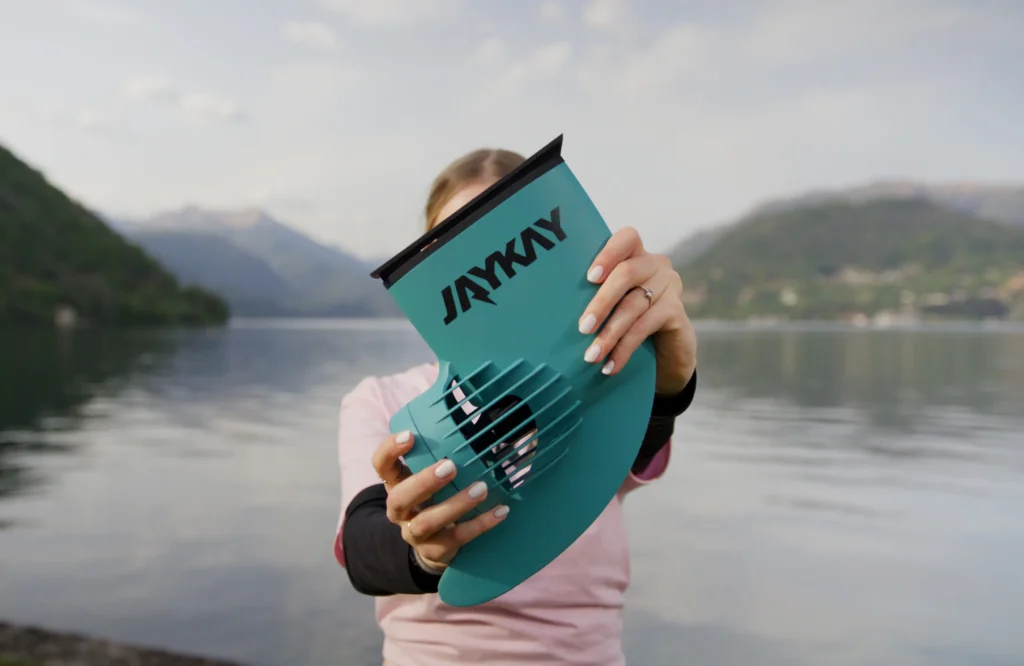
The growing popularity of electric paddle boards can be attributed to several factors, including the increasing demand for accessible water rts and the appeal of technology-enhanced experiences. As more people seek leisurely activities that require less physical exertion, electric paddle board motors like JAYKAY e-Fin 2.0 are becoming a preferred choice for casual usfers and families looking to enjoy time on the water together.