Showing the single result
-

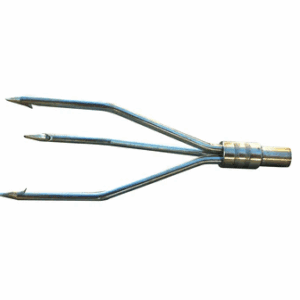
Neritic Lionfish Eliminator Pole Spear – 36″ (Optional 3-Prong Tip)
Starting at $64.00-
Select options This product has multiple variants. The options may be chosen on the product page
Showing the single result

-
Select options This product has multiple variants. The options may be chosen on the product pageWhen preparing for lionfish hunting, selecting the right equipment is crucial for both safety and effectiveness. Aside from the Neritic Lionfish Eliminator Pole Spear, divers should consider additional gear such as protective gloves, a dive knife, and a mesh bag for collecting the catch. Each piece of equipment plays a vital role in ensuring that the hunt is not only successful but also safe for both the diver and the marine environment.
For instance, protective gloves help prevent injuries from the lionfish's venomous spines, while a dive knife can be useful for quick access in case of emergencies. Additionally, a mesh bag allows for proper handling of the lionfish without damaging the delicate ecosystem. By equipping themselves with the right tools, divers can enhance their hunting experience and contribute to effective lionfish control.
To maximize the success of lionfish hunting, it is essential to understand the behavior of these invasive fish. Lionfish are known for their aggressive feeding habits and can often be found near reefs and rocky outcrops, making it important for divers to familiarize themselves with their typical habitats. Knowledge of lionfish behavior can significantly increase the chances of a successful catch.
For example, lionfish tend to be more active during dawn and dusk, making these times ideal for hunting. Additionally, they often hide in crevices or under ledges, so divers should approach quietly and be prepared to use their spear with precision. By studying lionfish behavior, hunters can develop effective strategies that not only improve their catch rate but also minimize disturbance to the surrounding marine life.
Diving and hunting lionfish require adherence to safety protocols to ensure a safe and enjoyable experience. Divers should always dive with a buddy, maintain proper buoyancy, and be aware of their surroundings to avoid accidents. Additionally, it is vital to have a clear plan for the dive, including entry and exit points, as well as emergency procedures.
Moreover, divers should be educated about the risks associated with lionfish hunting, such as the potential for venomous stings. Carrying a first aid kit that includes supplies for treating stings can be a lifesaver. By prioritizing safety, divers can focus on their hunt while minimizing risks associated with underwater exploration.
The invasion of lionfish in the Atlantic and Caribbean has significant implications for marine ecosystems. As voracious predators, lionfish compete with native species for food and can drastically alter the balance of reef ecosystems. Understanding this impact is crucial for divers who participate in lionfish hunting as a means of conservation.
Research indicates that lionfish can reduce native fish populations by up to 80%, leading to declines in biodiversity. By actively hunting lionfish, divers contribute to restoring balance in these ecosystems, promoting healthier coral reefs and supporting local marine life. This not only benefits the environment but also enhances the overall diving experience, making it a win-win for both divers and the ocean.
When preparing for lionfish hunting, selecting the right equipment is crucial for both safety and effectiveness. Aside from the Neritic Lionfish Eliminator Pole Spear, divers should consider additional gear such as protective gloves, a dive knife, and a mesh bag for collecting the catch. Each piece of equipment plays a vital role in ensuring that the hunt is not only successful but also safe for both the diver and the marine environment.
For instance, protective gloves help prevent injuries from the lionfish's venomous spines, while a dive knife can be useful for quick access in case of emergencies. Additionally, a mesh bag allows for proper handling of the lionfish without damaging the delicate ecosystem. By equipping themselves with the right tools, divers can enhance their hunting experience and contribute to effective lionfish control.
To maximize the success of lionfish hunting, it is essential to understand the behavior of these invasive fish. Lionfish are known for their aggressive feeding habits and can often be found near reefs and rocky outcrops, making it important for divers to familiarize themselves with their typical habitats. Knowledge of lionfish behavior can significantly increase the chances of a successful catch.
For example, lionfish tend to be more active during dawn and dusk, making these times ideal for hunting. Additionally, they often hide in crevices or under ledges, so divers should approach quietly and be prepared to use their spear with precision. By studying lionfish behavior, hunters can develop effective strategies that not only improve their catch rate but also minimize disturbance to the surrounding marine life.
Diving and hunting lionfish require adherence to safety protocols to ensure a safe and enjoyable experience. Divers should always dive with a buddy, maintain proper buoyancy, and be aware of their surroundings to avoid accidents. Additionally, it is vital to have a clear plan for the dive, including entry and exit points, as well as emergency procedures.
Moreover, divers should be educated about the risks associated with lionfish hunting, such as the potential for venomous stings. Carrying a first aid kit that includes supplies for treating stings can be a lifesaver. By prioritizing safety, divers can focus on their hunt while minimizing risks associated with underwater exploration.
The invasion of lionfish in the Atlantic and Caribbean has significant implications for marine ecosystems. As voracious predators, lionfish compete with native species for food and can drastically alter the balance of reef ecosystems. Understanding this impact is crucial for divers who participate in lionfish hunting as a means of conservation.
Research indicates that lionfish can reduce native fish populations by up to 80%, leading to declines in biodiversity. By actively hunting lionfish, divers contribute to restoring balance in these ecosystems, promoting healthier coral reefs and supporting local marine life. This not only benefits the environment but also enhances the overall diving experience, making it a win-win for both divers and the ocean.