
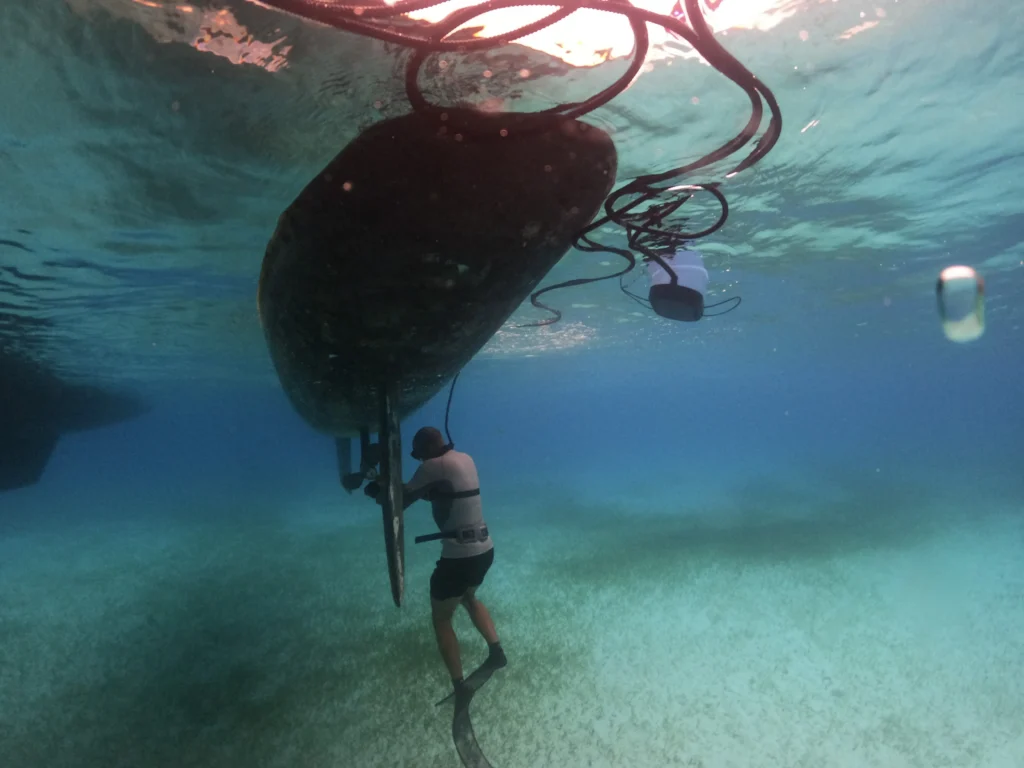
DIY Underwater Boat Maintenance Guide: How to Keep Your Boat in Top Shape Without Haul-Outs Using Portable Dive Systems
Maintaining your boat’s hull is crucial for optimal performance and longevity, yet traditional methods often require costly haul-outs. Whether you’re dealing with hull fouling,tangled prop lines, or routine zinc replacement, having the right approach makes all the difference. This guide explores how DIY underwater boat maintenance can be achieved effectively using portable battery-powered, tankless surface-supplied dive systems designed for shallow, recreational use. Readers will learn about the benefits of these innovative tools, step-by-step cleaning techniques, safety tips, and how to choose the right equipment for their needs. By the end of this article, you will be equipped with the knowledge to keep your boat in top shape without the hassle of haul-outs. We will cover essential topics such as the functionality of portable dive systems, effective cleaning methods, safety precautions, and maintenance tips for your dive equipment.
What Is a Portable Tankless Dive System and How Does It Help in Underwater Boat Maintenance?
A portable tankless dive system is a compact, battery-powered device that supplies air from the surface through a hose to the diver, enabling boat owners to perform underwater maintenance tasks without the need for haul-outs. These systems are designed for shallow, recreational use and provide a convenient way to access and clean your boat’s hull. While they do not provide continuous or extended air supply like professional systems, they offer sufficient air for typical maintenance tasks in calm, controlled environments. Using these systems, boat owners can address issues like algae growth and barnacle buildup directly in the water, helping to maintain their vessels in good condition.
How Does the Nomad Portable Dive System Enable Efficient Underwater Cleaning?
The Nomad Portable Dive System is designed with portability and ease of use in mind. Its lightweight, battery-powered design allows divers to maneuver underwater comfortably for typical boat maintenance tasks. The system supports shallow, recreational dives and is intended for use in calm waters, such as marinas or docks. Users find it helpful for accessing hard-to-reach areas of the hull without the need for bulky tanks or complex setups. This approach simplifies underwater cleaning and maintenance while fitting the needs of recreational boat owners.
What Are the Benefits of Tankless Dive Equipment for Recreational Divers and Boat Owners?
Tankless dive equipment like the Nomad offers several advantages for recreational divers and boat owners focused on underwater maintenance. Its portability makes it easy to transport and set up quickly. The absence of heavy tanks reduces physical strain and simplifies handling, making it accessible for users with basic diving experience. While these systems are not intended for professional or commercial diving, they provide a practical solution for routine hull cleaning and minor repairs in shallow water. This combination of convenience and user-friendly design supports effective maintenance without the complexity of traditional scuba gear.
How to Perform Underwater Hull Cleaning Without Hauling Out Your Boat
Cleaning your boat’s hull underwater can be straightforward when using the right techniques and tools. By following a systematic approach, you can ensure effective cleaning while minimizing risks associated with underwater maintenance.
What Are the Step-by-Step Techniques for Effective Underwater Hull Cleaning?
Preparation: Before diving, gather all necessary equipment, including your portable dive system, cleaning tools, and safety gear. Ensure that your dive system is fully charged and operational.
- Inspection: Conduct a visual inspection of the hull from above water to identify areas that require attention, such as barnacles or algae.
- Diving: Enter the water with your dive gear and portable system. Use the air supply as provided by your system, maintaining a steady breathing pattern while you work.
- Cleaning: Utilize appropriate cleaning tools, such as brushes or scrapers, to remove fouling from the hull. Focus on one section at a time to ensure thorough cleaning.
- Post-Cleaning Care: After cleaning, inspect the hull again to ensure all fouling has been removed. Rinse your equipment and store it properly for future use.
Which Antifouling Methods Work Best with Portable Dive Systems?
While antifouling paint recommendations are outside the scope of BLU3’s products, regular underwater cleaning using portable dive systems can help manage marine growth effectively. Consistent maintenance reduces buildup and keeps your hull in better condition. Always consult local regulations and environmental guidelines when selecting antifouling products or methods.
How to Choose the Right Portable Dive System for Your Boat Maintenance Needs
Selecting the appropriate portable dive system is crucial for effective underwater maintenance. Consider the following factors to ensure you make the best choice for your needs.
What Specifications Should You Consider When Selecting a Dive System?
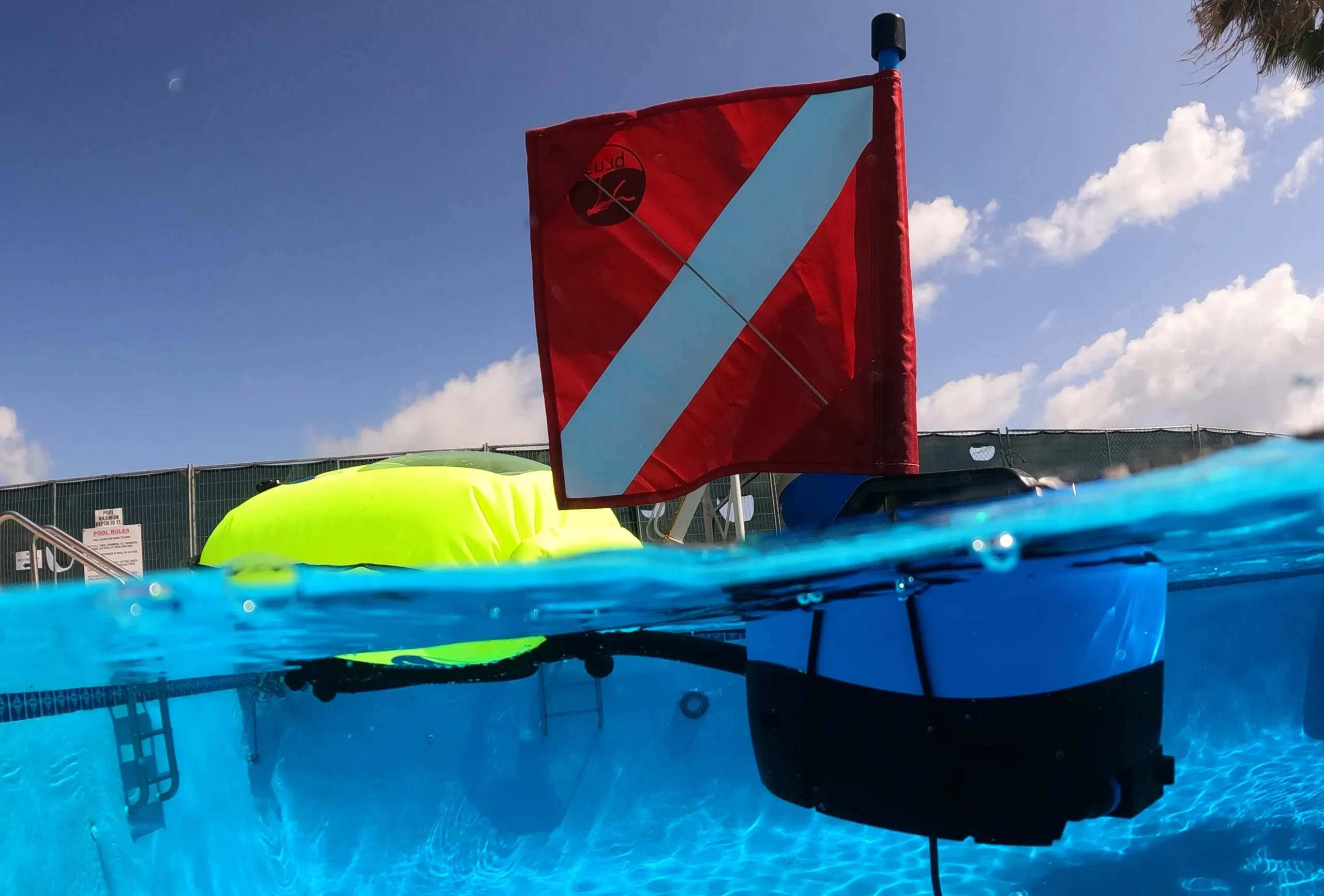
When evaluating portable dive systems, keep the following specifications in mind:
- Battery Life and Air Delivery: Choose a system with reliable battery performance suitable for typical shallow maintenance dives.
- Weight and Portability: Select a lightweight system that is easy to transport and set up.
- User Capacity: Ensure the system supports the number of divers you plan to have during maintenance.
For example, BLU3 offers models designed for different maintenance needs, such as the Nomad Mini, which is ideal for quick, efficient cleaning tasks in shallow water.
What Safety Tips Should Recreational Divers Follow During Underwater Boat Maintenance?
Safety is paramount when performing underwater maintenance. Adhering to proper safety protocols can help reduce risks and support a successful dive.
How to Prepare and Use Portable Dive Gear Safely for DIY Maintenance?
- Pre-Dive Checks: Inspect all equipment, including your dive system, hoses, and safety gear, to ensure everything is in working order.
- Buddy System: Always dive with a partner to enhance safety and provide assistance if needed.
- Communication: Establish clear signals with your dive partner to communicate effectively underwater.
- Training and Compliance: Obtain appropriate training for using surface-supplied dive systems and follow marina rules and local regulations.
What Are Common Hazards and How to Avoid Them While Diving?
While diving, be aware of potential hazards and take steps to mitigate them:
- Marine Life: Avoid touching or disturbing marine creatures, as they can be unpredictable.
- Visibility Issues: Ensure you dive in clear water to maintain visibility and avoid accidents.
- Equipment Malfunctions: Regularly maintain your dive gear to prevent failures during dives.
How to Maintain and Care for Your Portable Tankless Dive System for Longevity
Proper maintenance of your portable dive system is essential for ensuring its longevity and performance. Regular care can prevent issues and extend the life of your equipment.
What Routine Maintenance Tasks Keep Your Dive System in Optimal Condition?
- Cleaning: Rinse your dive system with fresh water after each use to remove salt and debris.
- Inspection: Regularly check hoses and connections for wear and tear, replacing any damaged parts promptly.
- Storage: Store your dive system in a cool, dry place to prevent damage from humidity and temperature fluctuations.
How to Troubleshoot Common Issues with Portable Dive Equipment?
If you encounter issues with your dive system, consider the following troubleshooting steps:
- Air Supply Problems: Check for leaks that may reduce airflow.
- Equipment Setup: Confirm all setup procedures were followed correctly, according to the user manual.
- Battery Issues: Ensure the battery is fully charged and replace it if it no longer holds a charge.
Where Can You Find Additional Resources and Tutorials for DIY Underwater Boat Maintenance?
For those looking to expand their knowledge on underwater maintenance, several resources are available to help you learn more about using portable dive systems effectively.
What Video Tutorials and Case Studies Showcase Portable Dive System Usage?
Numerous online platforms offer video tutorials that demonstrate the use of portable dive systems for underwater maintenance. These resources provide visual guidance on techniques and best practices, making it easier for beginners to learn.
How to Access BLU3’s Guides and Industry Updates for Portable Dive Systems?
BLU3 provides a wealth of information through their website, including guides and updates on the latest advancements in portable dive systems. Staying informed about new products and techniques can enhance your maintenance skills and ensure you are using the best tools available.