
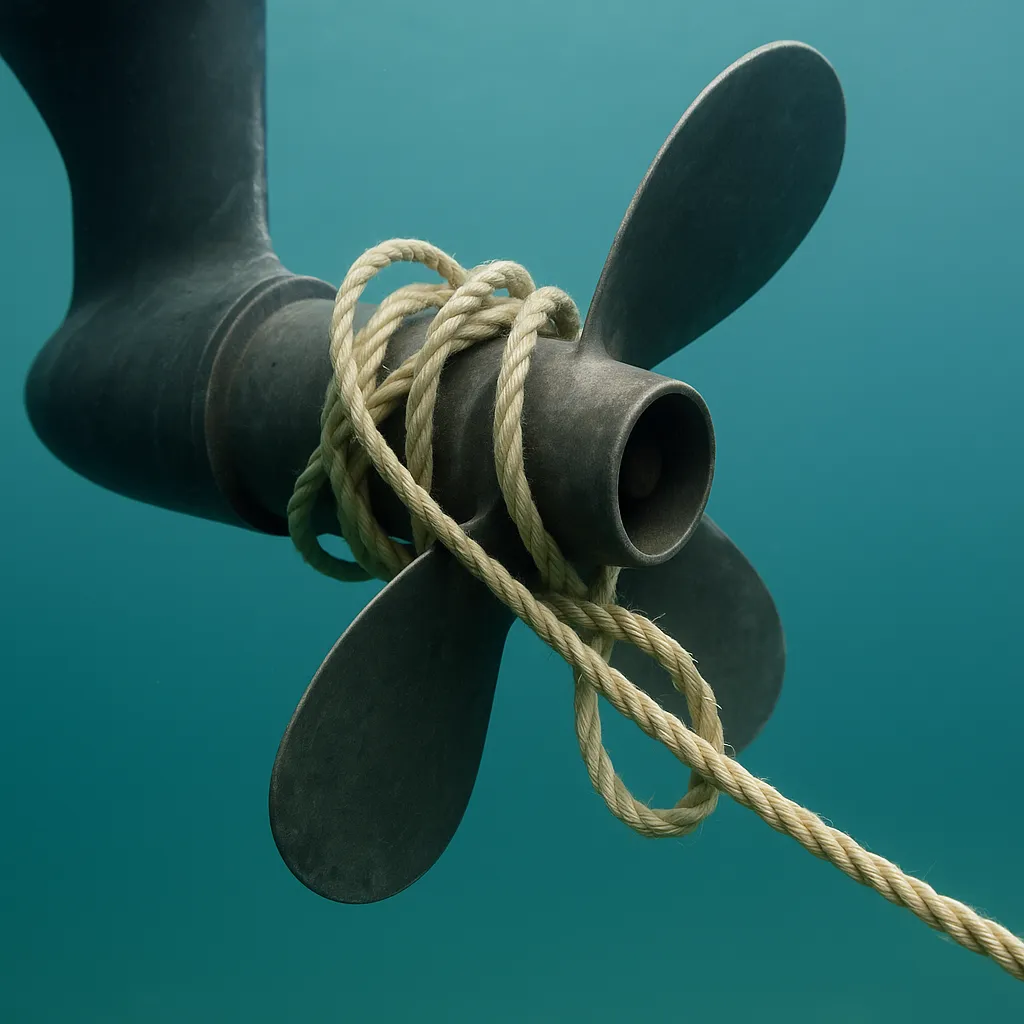
Removing Prop Fouling and Line Tangles: A Boater’s Guide to Clearing Your Propeller with Portable Dive Systems
Boating enthusiasts often face the frustrating challenge of prop fouling and line tangles, which can significantly hinder performance and safety. This comprehensive guide will explore the causes of propeller line entanglement and fouling, effective methods for clearing these issues, and how portable dive systems can assist in the process. Understanding these challenges is crucial for maintaining your boat’s efficiency and ensuring a safe experience on the water. We will delve into the mechanisms behind prop fouling, the risks involved, and practical solutions to keep your propeller clean. Additionally, we will highlight safety tips and answer frequently asked questions about propeller maintenance.
What Causes Propeller Line Entanglement and Fouling?
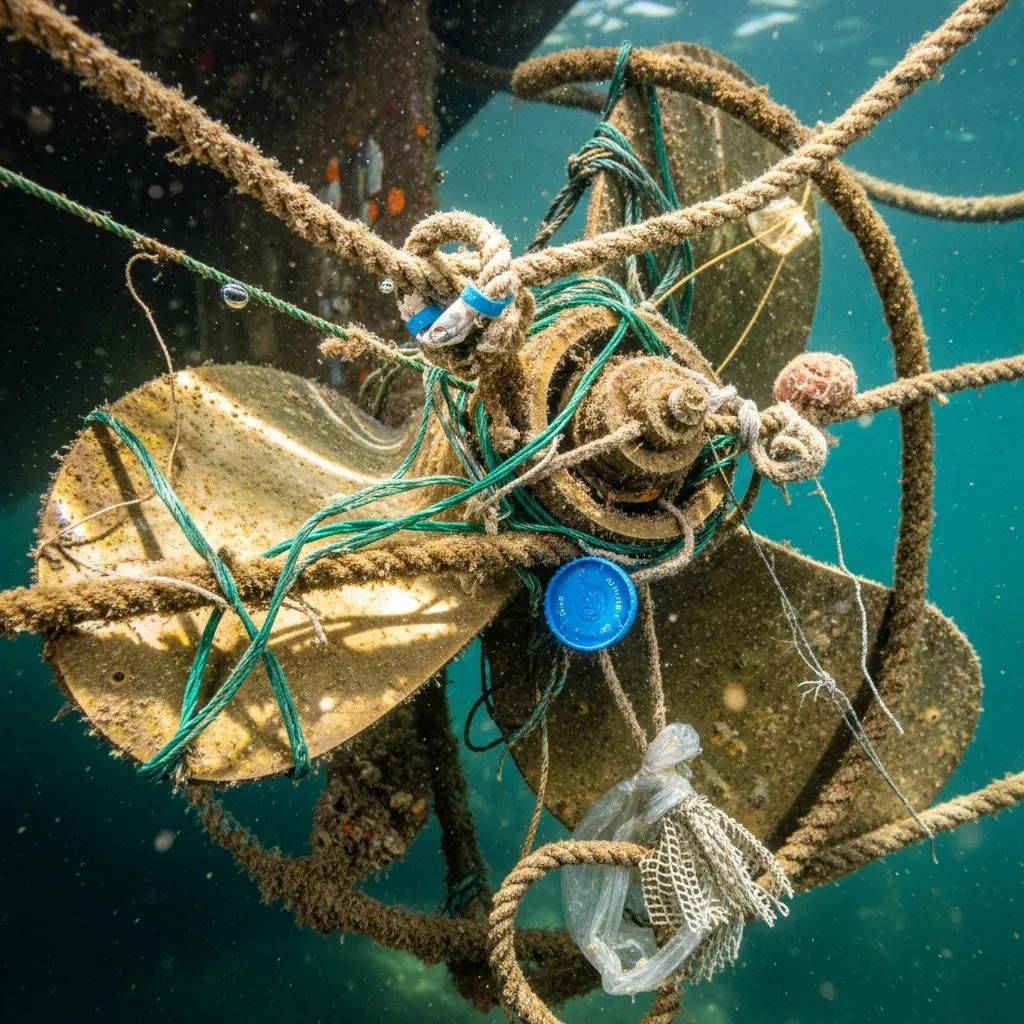
Propeller line entanglement and fouling occur when debris, such as fishing lines or crab pot lines, wraps around the propeller, impeding its function and causing serious issues for boat owners. This issue can arise from various environmental factors, including the presence of fishing gear in popular boating areas. Understanding the causes of these entanglements is essential for prevention and effective management.
How Do Fishing Lines and Crab Pot Lines Get Tangled on Propellers?
Fishing lines and crab pot lines can become tangled on propellers due to several common scenarios. When boats navigate through areas with heavy fishing activity, lines can drift into the path of the propeller. Additionally, poorly marked or abandoned crab pots can pose a significant risk, as they may be difficult to see and can easily wrap around the propeller during operation. The combination of these factors creates a high likelihood of entanglement, which can lead to costly repairs and safety hazards.
What Are the Risks of Prop Fouling to Boat Engines and Safety?
Prop fouling presents several risks to both boat engines and safety. When a propeller is entangled, it can cause engine strain, leading to potential overheating and damage. Moreover, fouling can reduce the boat’s maneuverability, increasing the risk of accidents, especially in crowded waterways. Divers and boaters may also face safety hazards when attempting to clear fouled propellers, making it crucial to address these issues promptly.
How to Clear Fishing Line and Crab Pot Lines from Your Boat Propeller
Clearing fishing line and crab pot lines from your boat propeller requires a systematic approach to ensure safety and effectiveness. Understanding the step-by-step methods and the tools required can make this process much smoother.
What Are the Step-by-Step Methods for Removing Line Tangles?
- Preparation: Ensure the boat is anchored securely and the engine is turned off with lockout/tag-out procedures in place. Gather necessary tools such as a knife, scissors, and a portable dive system if available.
- Inspection: Carefully inspect the propeller for visible lines or debris. Use a flashlight if needed to get a better view.
- Manual Removal: If the lines are accessible, use scissors or a knife to cut away the debris. Be cautious not to damage the propeller.
- Diving Assistance: If the lines are deeply entangled, consider using a portable, battery-powered, tankless surface-supplied dive system to safely access the propeller underwater for short, shallow, task-focused inspections and line removal only.
- Final Check: After removing the debris, inspect the propeller again to ensure it is clear before starting the engine.
Which Tools and Techniques Are Most Effective for Propeller Debris Removal?
Several tools and techniques can assist in propeller debris removal. Commonly recommended options include:
- Diving Equipment: Portable, battery-powered, tankless surface-supplied dive systems, such as the Nomad and Nomad Mini, provide boat owners with the ability to access the propeller safely in calm, controlled environments for brief underwater tasks.
- Cutting Tools: A sharp knife or heavy-duty scissors can be useful for cutting through fishing lines and crab pot lines.
- Underwater Cameras: These can help inspect the propeller without the need for diving, allowing for a clearer understanding of the entanglement.
Using appropriate tools can help reduce the time and effort required to clear a fouled propeller.
How Can Portable Tankless Dive Systems Like Nomad Help in Propeller Cleaning?
Portable tankless dive systems, such as Nomad, offer practical advantages for propeller cleaning in recreational boating. These battery-powered, tankless surface-supplied air systems are designed for short, shallow underwater tasks, allowing boat owners to perform focused inspections and line removal safely and efficiently. While clearing line from a propeller, divers often inspect the boat hull and zinc anodes for additional issues.
What Features Make Nomad and Nomad Mini Suitable for Underwater Prop Cleaning?
Nomad and Nomad Mini are compact, battery-powered, tankless surface-supplied air systems intended for brief underwater use. Their design supports easy transport and operation without the need for bulky tanks, making them suitable for recreational boat owners performing short, task-focused propeller maintenance in calm waters.
How to Use Portable Dive Systems Safely for Prop Fouling Removal?
- Pre-Use Checks: Always inspect the equipment before use to ensure it is functioning correctly.
- Buddy System: Never dive alone; always have a partner present to assist in case of emergencies.
- Follow Marina Rules and Local Regulations: Adhere to all applicable safety guidelines and boating regulations.
- Engine Off and Lockout/Tag-Out: Ensure the boat engine is completely off and secured against accidental starting before any underwater work.
- Post-Dive Inspection: After cleaning, check the propeller and equipment for any damage or remaining debris.
What Safety Tips Should Boaters Follow When Removing Propeller Line Tangles?
Safety is paramount when dealing with propeller line tangles. Following specific guidelines can help prevent accidents and injuries during the cleaning process.
How to Prepare and Protect Yourself During Underwater Propeller Maintenance?
Preparation is key for safe underwater maintenance. Boaters should ensure they have received appropriate training for using portable dive systems and understand the risks involved. It is important to follow all safety protocols, including the buddy system and lockout/tag-out procedures, and to operate only in calm, controlled environments. This activity is intended for recreational boat owners and does not guarantee safety or applicability in all situations.
What Are Common Troubleshooting Issues and How to Avoid Them?
Common issues during propeller maintenance include equipment malfunction and entanglement during the cleaning process. To avoid these problems, ensure all equipment is in good working order and practice proper use of the dive system. Familiarizing yourself with the local area, marina rules, and potential hazards can also help mitigate risks.
Frequently Asked Questions About Propeller Line Entanglement and Cleaning
Addressing common questions can provide further clarity on propeller maintenance and the use of dive systems.
Can I Use Portable Dive Systems for All Types of Prop Fouling?
Portable dive systems are designed for use with common recreational debris such as fishing lines and crab pot lines in calm, controlled environments. They are not intended for all types of prop fouling or for use in challenging or commercial underwater conditions.
What Are the Best Practices for Preventing Future Propeller Line Tangles?
To prevent future propeller line tangles, boaters should:
- Avoid High-Risk Areas: Steer clear of known fishing zones when possible.
- Regular Inspections: Frequently check the propeller for any signs of fouling.
- Educate Crew: Ensure all crew members understand the risks and proper procedures for maintaining the propeller.
By following these best practices, boaters can significantly reduce the likelihood of encountering prop fouling issues in the future.