
How to Clean Your Boat Hull Underwater: DIY Guide with Portable Dive Systems
Cleaning your boat hull underwater is essential for maintaining its performance and longevity. This guide will provide you with the necessary tools, techniques, and safety measures to effectively clean your boat hull while minimizing environmental impact. By utilizing battery-powered, tankless surface-supplied portable dive systems designed for shallow, task-focused recreational hull cleaning, you can perform this task efficiently and safely, ensuring your boat remains in good condition. Many boat owners struggle with barnacles, algae, and other marine growth that can hinder performance and increase fuel consumption. This article will explore the best underwater hull cleaning tools, the use of BLU3 portable dive systems, step-by-step cleaning procedures, safety practices, and maintenance tips.
What Are the Best Underwater Hull Cleaning Tools for DIY Boat Owners?
When it comes to cleaning your boat hull underwater, having the right tools is crucial. The effectiveness of your cleaning efforts largely depends on the tools you choose. Here are some of the best underwater hull cleaning tools for DIY boat owners:
- Scrapers: These are essential for removing barnacles and hard marine growth. A good scraper can make the job much easier and more efficient.
- Cleaning Brushes: Brushes with stiff bristles are effective for scrubbing algae and other soft growth off the hull.
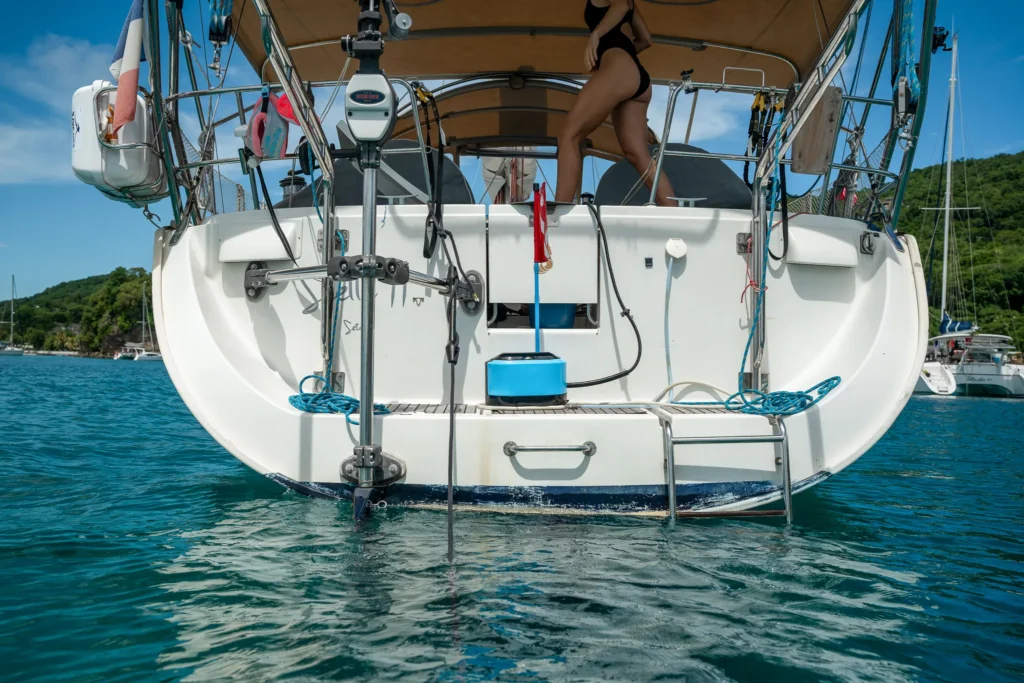
- Portable Dive Systems: Battery-powered, tankless surface-supplied systems like the Nomad and Nomad Mini provide divers with air for shallow, task-focused recreational hull cleaning without the bulk of traditional dive tanks.
These tools enhance the cleaning process and help you reach all areas of the hull effectively.
Which tools effectively remove barnacles and algae from boat hulls?
To effectively remove barnacles and algae from boat hulls, a combination of scrapers and brushes is recommended. Scrapers are particularly useful for hard growth like barnacles, while brushes can tackle softer algae. During hull cleaning, many boat owners also check their zinc anodes and propellers for additional maintenance issues. The key is to choose tools that are durable and designed for underwater use, ensuring they can withstand the marine environment.
For environmental and regulatory reasons, avoid using high-pressure water jets or similar equipment not covered by BLU3’s scope.
How do portable dive systems support underwater cleaning?
BLU3 portable dive systems, such as the Nomad and Nomad Mini, are battery-powered, tankless surface-supplied air systems intended for shallow, task-focused recreational hull cleaning. They provide a reliable air source without the need for bulky tanks, allowing for easier maneuverability during cleaning tasks. These systems are designed to support safe and effective cleaning within their operational limits.
How to Use Portable Tankless Dive Systems for Safe and Eco-Friendly Boat Hull Cleaning
Using portable tankless dive systems for cleaning your boat hull underwater promotes safety and environmental responsibility. These systems allow divers to operate without the constraints of traditional dive tanks, making the cleaning process more accessible for shallow, recreational use.
What are the benefits of tankless dive systems for underwater hull maintenance?
Tankless dive systems offer several benefits for underwater hull maintenance, including:
- Increased Mobility: Without heavy tanks, divers can move more freely and access hard-to-reach areas of the hull.
- Eco-Friendly Operation: These battery-powered systems reduce the need for heavy equipment transport and avoid the use of compressors or other devices that may pose environmental or regulatory concerns.
These advantages make tankless dive systems a practical choice for many boat owners looking to maintain their vessels responsibly within recreational limits.
How to operate the Nomad and Nomad Mini for DIY hull cleaning?
Operating the Nomad and Nomad Mini is straightforward. Here’s a step-by-step guide:
- Setup: Ensure the system is fully charged or connected to power and all connections are secure. Attach the mouthpiece and check for leaks.
- Preparation: Before diving, inspect your cleaning tools and ensure they are ready for use.
- Diving: Enter the water slowly and adjust to the underwater environment. Use the system to breathe comfortably while you clean within shallow depths.
- Cleaning: Begin at the bow and work your way to the stern, using your tools to remove growth as you go. Take breaks as needed to maintain comfort and safety.
Following these steps will help you maximize the effectiveness of your cleaning efforts while ensuring your safety.
What Are the Step-by-Step Procedures for Cleaning Your Boat Hull Underwater?
Cleaning your boat hull underwater requires careful planning and execution. Here’s a step-by-step guide to ensure a thorough cleaning process.
How to prepare and inspect equipment before diving?
Preparation is key to a successful underwater cleaning session. Follow these steps:
- Inspect Your Dive Gear: Check your portable dive system for functionality, ensuring it is fully charged or powered and all components are in good condition.
- Gather Cleaning Tools: Assemble your scrapers, brushes, and any other necessary tools. Ensure they are suitable for underwater use.
- Safety Check: Review safety protocols, including communication signals with any dive partners and emergency procedures.
By thoroughly preparing your equipment, you can ensure a smooth and efficient cleaning process.
What are the recommended cleaning techniques for algae and marine growth removal?
When it comes to removing algae and marine growth, consider the following techniques:
- Scrubbing: Use a stiff-bristled brush to scrub soft growth like algae. This method is effective and minimizes damage to the hull.
- Scraping: For hard growth like barnacles, use a scraper to carefully remove the growth without damaging the hull surface.
These techniques will help you maintain a clean and efficient hull, improving your boat’s performance.
How to Ensure Safety and Environmental Best Practices During Underwater Hull Cleaning?
Safety and environmental considerations are paramount when cleaning your boat hull underwater. Here are some best practices to follow.
What safety protocols should divers follow when cleaning hulls underwater?
Divers should adhere to the following safety protocols:
- Training: Ensure you have proper training and experience with portable dive systems and underwater cleaning techniques.
- Buddy System: Always dive with a partner to ensure safety and assistance in case of emergencies.
- Follow Marina Rules and Local Regulations: Comply with all relevant guidelines to ensure safe and responsible diving.
- Equipment Checks: Regularly check your dive equipment for functionality and safety before each use.
Following these protocols will help promote a safe diving experience within the scope of recreational hull cleaning.
How to perform eco-friendly boat bottom cleaning to protect marine life?
To protect marine life while cleaning your boat hull, consider these eco-friendly practices:
- Minimize Disturbance: Avoid stirring up sediment and debris that can harm aquatic life.
- Proper Waste Disposal: Dispose of any removed growth and waste responsibly, following local regulations.
- Use Environmentally Conscious Methods: Avoid using equipment or chemicals that may pose environmental risks.
Implementing these practices will help you maintain a clean hull while protecting the environment.
How to Maintain Your Boat Hull Regularly Using DIY Underwater Cleaning Methods?
Regular maintenance of your boat hull is essential for optimal performance and longevity. Here are some general tips for maintaining your hull using DIY underwater cleaning methods.
How to troubleshoot common issues with portable dive systems during cleaning?
If you encounter issues with your portable dive system, consider these troubleshooting tips:
- Check Connections: Ensure all hoses and connections are secure and free from leaks.
- Power Supply: If the system is not functioning, check the battery level or power source and recharge or reconnect if necessary.
- User Manual: Refer to the user manual for specific troubleshooting steps related to your model.
By following these tips, you can address common issues and help ensure your dive system operates effectively within its intended use.
By following these guidelines and utilizing the right tools, you can effectively clean and maintain your boat hull underwater, ensuring it remains in good condition for your recreational boating activities.