
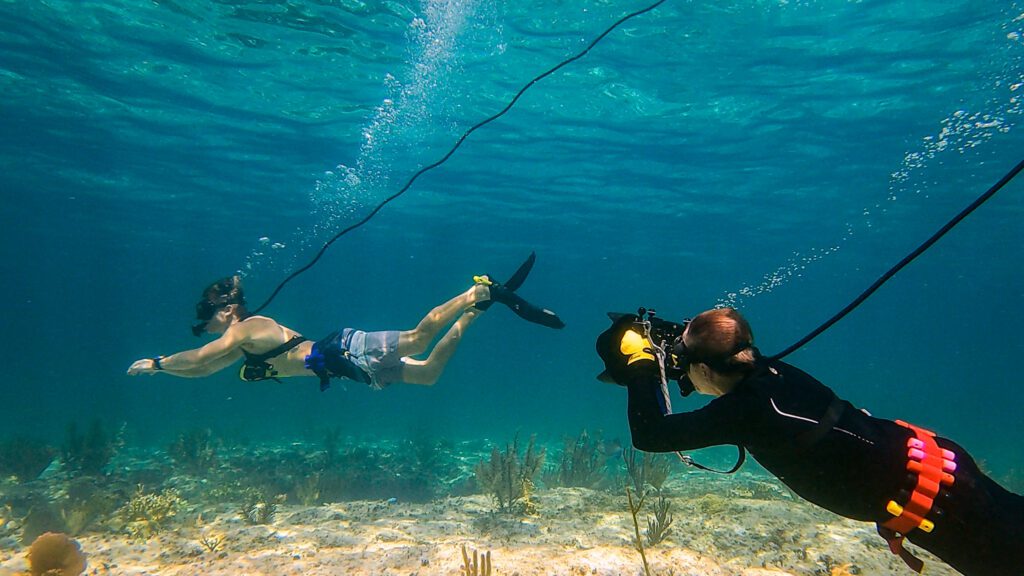
Underwater Photography for Boat Owners: Mastering Portable Dive Systems and Marine Imaging
Underwater photography offers boat owners an opportunity to document the beauty of marine life and ecosystems during shallow, recreational dives. This guide explores how battery-powered, tankless surface-supplied air systems support underwater imaging, the types of cameras suitable for boat owners, and practical tips to capture clear underwater photos responsibly within the intended operating limits. Many boat owners use portable dive systems designed for short, task-focused use in calm, shallow waters, providing a convenient way to observe and record marine environments while adhering to safety guidelines and local regulations.
How Do Portable Tankless Surface-Supplied Dive Systems Support Underwater Photography for Boat Owners?
Portable tankless surface-supplied dive systems provide boat owners with a compact and lightweight option for shallow underwater observation and photography. These battery-powered systems supply air from the surface through a hose, eliminating the need for heavy tanks. They are intended for short, shallow dives focused on light documentation and observation rather than extended underwater activities. Their design supports ease of use within the system’s operational limits, allowing users to focus on capturing images during brief underwater excursions.
What Are Portable Dive Systems and Their Intended Use for Marine Photography?
Portable dive systems are battery-powered, tankless surface-supplied air devices designed for short, shallow recreational use. They provide air through a hose connected to the surface, supporting brief underwater activities such as light observation and photography. These systems are not intended for deep or prolonged dives and should be used in accordance with manufacturer guidelines and local regulations. Key considerations for marine photography with these systems include:
- Compact and Lightweight Design: Facilitates easy transport and setup on boats.
- Short-Duration Use: Suitable for brief underwater sessions focused on observation.
- Task-Focused Operation: Designed for specific underwater tasks rather than extended exploration.
Users report that these systems enable convenient underwater imaging during shallow recreational activities, provided safety practices and operational limits are observed.
How Does the Nomad System Support Shallow Underwater Observation?
The Nomad system is a battery-powered, tankless surface-supplied air system designed for shallow, task-focused underwater use. Its compact design and straightforward setup support brief underwater sessions primarily in calm, shallow waters. Features include:
- Lightweight Construction: Easy to handle and transport on boats.
- Rapid Setup: Allows users to prepare quickly for short underwater activities.
- Intended for Shallow Use: Designed for use in environments consistent with marina rules and local regulations.
User feedback highlights the system’s suitability for light underwater documentation within its intended operational scope.
Which Underwater Cameras Are Suitable for Boat Owners Using Portable Dive Systems?
Choosing an appropriate underwater camera is important for capturing clear images during shallow recreational dives with portable dive systems. Cameras should be durable, easy to operate, and compatible with underwater housings designed for use in shallow water conditions.
What Features Are Important in Underwater Photography Equipment?
When selecting underwater photography equipment for use with portable dive systems, consider these features:
- Waterproof Capability: Ensure the camera housing is rated for shallow water use.
- Image Quality: Look for cameras that perform well in natural light conditions typical of shallow waters.
- Ease of Operation: Simple controls help maintain focus on observation and photography during brief underwater sessions.
These features support effective underwater imaging within the operational limits of portable dive systems.
How to Choose Cameras Compatible with Tankless Surface-Supplied Systems?
Compatibility considerations include:
- Compact Size: Smaller cameras are easier to handle underwater during short dives.
- Appropriate Housing: Use housings designed for shallow water and compatible with your camera model.
- Battery Considerations: Ensure sufficient battery life for the duration of your planned underwater session.
Selecting equipment tested for use in shallow, recreational underwater environments helps ensure a smooth experience.
What Techniques Support Responsible Underwater Photography from Portable Dive Systems?
Effective underwater photography during shallow recreational dives requires attention to both equipment and respectful interaction with marine life.
How to Approach and Photograph Marine Species Responsibly?
Best practices include:
- Maintain Respectful Distance: Avoid disturbing marine animals to minimize stress.
- Move Gently: Slow, deliberate movements help prevent startling wildlife.
- Use Available Natural Light: Rely on sunlight to enhance image quality without artificial lighting.
These approaches help preserve marine ecosystems while capturing meaningful images.
What Camera Settings Help Improve Underwater Image Quality?
Adjustments to consider for shallow water photography include:
- White Balance: Correct color shifts caused by water to achieve natural tones.
- ISO Settings: Use moderate ISO to balance light sensitivity and image noise.
- Shutter Speed: Select speeds that reduce motion blur in dynamic underwater scenes.
Experimenting with these settings during brief underwater sessions can enhance image clarity and color.
How Can Boat Owners Prepare and Ensure Safety When Using Portable Dive Systems?
Preparation and adherence to safety practices are essential when using portable dive systems for shallow underwater activities.
What Are Key Safety Practices for Using Portable Dive Systems?
Important guidelines include:
- Complete Required BLU3 Training: Ensure familiarity with system operation and safety protocols.
- Use the Buddy System: Always have a partner present during underwater activities.
- Operate in Calm Conditions: Choose suitable weather and water conditions to minimize risks.
- Follow Marina Rules and Local Regulations: Comply with all applicable guidelines for safe and responsible use.
These practices help maintain safety during shallow, task-focused underwater use.
How to Maintain and Handle Portable Dive Systems Properly?
Proper care extends the life and reliability of your equipment. Recommendations include:
- Regular Inspections: Check for damage or wear before and after each use.
- Thorough Cleaning: Rinse with fresh water to remove salt and debris.
- Proper Storage: Store in a cool, dry place away from direct sunlight.
Consistent maintenance supports safe and effective operation.
What Post-Processing Tips Can Enhance Underwater Photos Taken from Boats?
Post-processing can improve the visual appeal of underwater images captured during shallow dives.
How to Correct Color and Lighting in Marine Photography?
Basic adjustments include:
- Increase Saturation: Enhance the natural colors of marine life.
- Apply Color Filters: Use editing filters to balance hues affected by water.
- Adjust Brightness and Contrast: Improve visibility and detail in images.
These simple edits can make underwater photos more vibrant and clear.
Which Editing Tools Are Useful for Enhancing Underwater Images?
Popular software options include:
- Adobe Lightroom: User-friendly for color correction and exposure adjustments.
- Photoshop: Offers advanced editing features for detailed image refinement.
- Capture One: Known for powerful color grading capabilities.
Using these tools can help you enhance your underwater photography within the scope of recreational use.
Where Can Boat Owners Find Resources and Support for Underwater Photography?
Access to educational materials and community support can enhance your experience with portable dive systems and underwater imaging.
What Educational Content and Tutorials Are Available for Portable Dive Systems?
Many online platforms provide tutorials focused on the safe setup and use of portable dive systems, including:
- Equipment Setup Guidance: Step-by-step instructions for preparing your dive gear.
- Basic Photography Tips: Advice for capturing clear images during shallow underwater sessions.
- Safety Protocols: Information on responsible use and adherence to local regulations.
These resources support safe and effective use of portable dive systems for recreational imaging.
How to Connect with Communities and Experts in Marine Photography?
Engaging with others can provide valuable insights and inspiration. Consider:
- Online Forums: Join discussions with fellow underwater photography enthusiasts.
- Social Media Groups: Connect with hobbyists and professionals for tips and shared experiences.
- Workshops and Events: Attend local gatherings to learn from experienced users.
These connections foster learning and enjoyment within the scope of recreational underwater photography.
Frequently Asked Questions
What are the best practices for underwater photography composition?
Use the rule of thirds to create balanced images by positioning subjects along grid lines or intersections. Include interesting foreground elements to add depth, and use natural lines like coral or fish schools to guide the viewer’s eye. Keep backgrounds simple to help subjects stand out, enhancing the overall impact of your photos during brief underwater sessions.
How can I protect my camera while diving?
Use a high-quality underwater housing rated for shallow water use. Check seals and O-rings before each session to prevent leaks. Consider a float strap to avoid accidental drops. After use, rinse the housing with fresh water and store it in a cool, dry place to maintain its condition.
What are common mistakes to avoid in underwater photography?
Avoid neglecting equipment checks before use, which can lead to missed opportunities. Do not use flash too close to subjects to prevent harsh lighting and backscatter. Take your time composing shots and adjust white balance to suit shallow water lighting. Always respect marine life to avoid disturbance and ensure ethical photography.
How does water clarity affect underwater photography?
Water clarity impacts visibility and color vibrancy. Clear water enhances colors, while murky water can dull images. To improve photos in less clear conditions, shoot close to subjects and use natural light effectively. Avoid relying on artificial lighting that may disturb marine life.
What should I consider when using portable dive systems for photography?
Focus on shallow, calm water conditions and adhere strictly to the system’s operational guidelines. Use the buddy system and follow all marina rules and local regulations. Keep underwater sessions brief and task-focused, prioritizing safety and responsible observation over extended exploration.
How can I improve my underwater photography skills over time?
Practice regularly and review your images to identify areas for improvement. Experiment with different angles and compositions during short dives. Engage with online communities and attend workshops to learn from others. Stay informed about new equipment and techniques suitable for shallow recreational underwater photography.
Conclusion
Battery-powered, tankless surface-supplied dive systems offer boat owners a practical way to engage in shallow, recreational underwater observation and light photography. By using these systems responsibly within their intended operating limits and following safety guidelines, users can enjoy capturing images of marine life during brief underwater sessions. Selecting appropriate camera equipment and practicing respectful techniques will help ensure a safe and enjoyable experience focused on responsible marine imaging.