
Exploring Anchorages and Dive Sites from Your Boat: A Guide to Portable Battery-Powered Tankless Surface-Supplied Dive Systems
Exploring the underwater environment from your boat can be an enjoyable and accessible activity when using the appropriate equipment. This guide focuses on portable battery-powered tankless surface-supplied dive systems designed for short, shallow, task-focused recreational use in calm, controlled conditions. Readers will gain an understanding of these systems, essential diving equipment, and general considerations for observing underwater life safely from anchorages. Many boaters face challenges when diving safely from anchorages, but with proper knowledge and gear, these activities can be conducted responsibly and enjoyably.
What Are Portable Battery-Powered Tankless Surface-Supplied Dive Systems and How Do They Support Boat Diving?
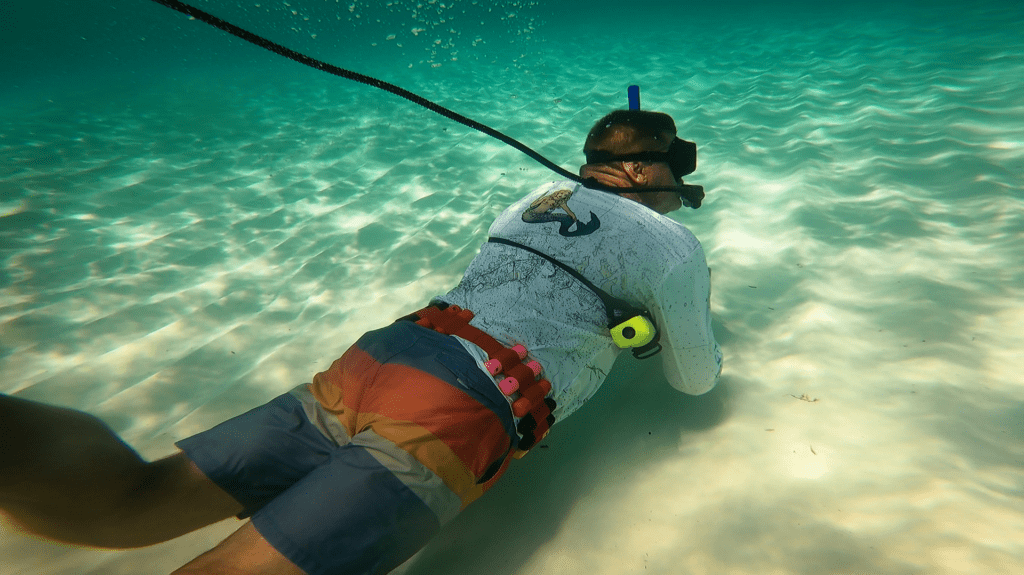
Portable battery-powered tankless surface-supplied dive systems provide an alternative method for recreational divers to breathe underwater without carrying traditional tanks. These systems, such as the Nomad portable dive system, use a lightweight hose connected to a surface air supply, allowing divers to remain submerged for short periods in shallow, calm waters. Their compact and lightweight design makes them suitable for boat owners seeking convenient and controlled underwater observation rather than extended or deep dives.
The development of such technology reflects ongoing efforts to make recreational diving more accessible and manageable in specific, limited conditions.
Recreational Diving Technology & Advancements
This section highlights the relationship between technology and recreational diving, focusing on innovations that facilitate safe underwater breathing in controlled environments. The evolution of diving equipment continues to support accessible and responsible underwater activities.
Diving Technology at the Recreational World, M Tzanakis, 2024
How Does the Nomad Portable Dive System Operate for Short, Shallow Boat Dives?
The Nomad system functions by drawing air from the surface through a lightweight hose, enabling divers to breathe underwater without carrying heavy tanks. It is designed for quick setup and use in calm, shallow waters, making it ideal for brief underwater tasks or observation near anchorages. Users appreciate the system for its simplicity and suitability for controlled recreational use rather than extended or deep diving sessions.
What Are the Intended Uses of Battery-Powered Tankless Surface-Supplied Dive Systems?
These systems are intended for short, shallow dives in calm, controlled conditions, such as inspecting boat hulls, observing marine life near anchorages, or performing light underwater tasks. They are not designed for deep, prolonged, or technical diving activities. Their portability and ease of use make them practical for recreational boaters seeking convenient underwater access without the complexity of traditional scuba gear.
Technological advancements in this area continue to focus on safety and user-friendliness within these defined recreational parameters.
Advances in Recreational Diving Safety
Diving equipment has evolved to support safe, shallow-water recreational activities, emphasizing ease of use and controlled conditions. These developments help ensure that divers can enjoy underwater experiences responsibly.
Advanced technical diving, RL Pyle, 2019
Essential Equipment for Safe and Responsible Diving from Anchorages
When diving from anchorages, having the appropriate equipment is key to safety and comfort. Essential gear includes masks, fins, wetsuits, and portable battery-powered tankless surface-supplied dive systems. Each item supports safe, short-duration underwater activities in calm conditions. Understanding the role of each piece helps boat owners prepare adequately for responsible recreational diving.
Safety and Training Requirements for Boat Diving
Proper training is essential before using portable battery-powered tankless surface-supplied dive systems. Divers must be familiar with the equipment operation and safety protocols. It is critical to follow marina rules and local regulations at all times. Additionally, always dive with a buddy to ensure mutual safety and support. Adhering to these guidelines helps minimize risks and promotes a safe diving environment.
General Considerations for Observing Underwater Life from Your Boat
Observing marine life from anchorages offers a rewarding recreational experience. Suitable locations typically feature calm, shallow waters with visible aquatic flora and fauna. These environments provide opportunities for casual underwater observation without the need for advanced diving skills or equipment. Recreational divers should focus on awareness and respect for the marine environment while enjoying these accessible underwater views.
What Types of Underwater Environments Are Suitable for Short, Shallow Dives?
Ideal environments include sheltered bays, calm anchorages, and areas with abundant marine life close to the surface. These settings allow for safe, brief dives focused on observation and light tasks. Avoiding strong currents, deep waters, and complex underwater terrain ensures that dives remain within the intended scope of portable battery-powered tankless surface-supplied dive systems.
Using Portable Dive Systems for Underwater Photography and Observation
Portable battery-powered tankless surface-supplied dive systems can support underwater photography and casual observation during short dives. With appropriate techniques and equipment, divers can capture images of marine life and underwater features near anchorages.
Techniques to Enhance Underwater Photography Using Portable Dive Systems
To improve underwater photography results during short dives, consider the following:
- Camera Settings: Adjust ISO and shutter speed to suit lighting conditions underwater.
- Lighting: Use external lights or strobes to enhance color and visibility.
- Composition: Frame subjects thoughtfully and use natural lines to create appealing images.
These techniques help divers capture clear and vibrant photos during brief underwater sessions.
Environmental and Safety Best Practices for Boat Diving
Responsible diving from your boat involves protecting marine habitats and ensuring personal safety. Awareness and adherence to best practices contribute to preserving underwater environments and maintaining safe diving conditions.
How to Anchor Safely and Protect Marine Life
When anchoring for diving, follow these guidelines to minimize environmental impact:
- Use Designated Mooring Buoys: Whenever available, use mooring buoys to avoid damaging the seafloor.
- Avoid Sensitive Areas: Steer clear of coral reefs and other vulnerable ecosystems when anchoring.
- Monitor Your Anchor: Regularly check that your anchor is secure and not dragging, which can harm marine life.
By following these practices, divers help protect underwater habitats while enjoying their activities.
Best Practices for Responsible Recreational Diving
Adopt the “Leave No Trace” principle by avoiding contact with marine life and refraining from collecting souvenirs. Use environmentally safe sunscreen and maintain good buoyancy control to prevent damage to fragile ecosystems. Participate in local conservation efforts when possible, and promote awareness among fellow divers to support marine preservation.
Frequently Asked Questions
What should I consider when planning a short, shallow dive from my boat?
Plan dives in calm, shallow waters with good visibility and minimal currents. Check weather and tide conditions, ensure your equipment is functioning properly, and review local regulations. Always dive with a buddy and have clear communication and emergency procedures in place.
How can I maintain my portable battery-powered tankless surface-supplied dive system?
After each use, rinse the system with fresh water to remove salt and debris, and allow it to dry completely. Inspect hoses and connections regularly for wear or damage, replacing parts as needed. Store the system in a cool, dry place away from direct sunlight, and follow the manufacturer’s maintenance guidelines to ensure safe operation.
What are the key safety considerations when using these dive systems?
Proper training is essential before use. Always follow marina rules and local regulations. Use a buddy system for all dives, conduct pre-dive equipment checks, and establish clear communication signals. Adhering to these safety measures helps prevent accidents and ensures a positive diving experience.
Can I use my portable dive system for snorkeling?
Yes, these systems can enhance snorkeling by providing a comfortable breathing experience underwater without heavy tanks. However, they are intended for shallow, calm water use. Always ensure you are familiar with the system’s operation and prioritize safety by snorkeling with a buddy.
What types of marine life might I observe during short dives from my boat?
Common sightings include colorful fish, sea grasses, small invertebrates, and occasionally turtles or rays in shallow waters near anchorages. Observing these creatures in their natural habitat can be a rewarding part of recreational diving.
How do I select appropriate dive sites for my skill level and equipment?
Choose calm, shallow anchorages with minimal currents and good visibility. Avoid deep or complex sites. Consult local resources or dive operators for general information about suitable areas for short, task-focused dives using portable battery-powered tankless surface-supplied dive systems.
Conclusion
Portable battery-powered tankless surface-supplied dive systems offer a practical solution for short, shallow, task-focused recreational diving from boats. By using the right equipment, following safety and environmental best practices, and respecting local regulations, boaters can enjoy safe and responsible underwater observation near anchorages. Equip yourself with knowledge and proper training to make the most of these accessible diving opportunities.