
Documenting Your Cruising Journey Underwater: Essential Visual Log Techniques with Portable Dive Systems
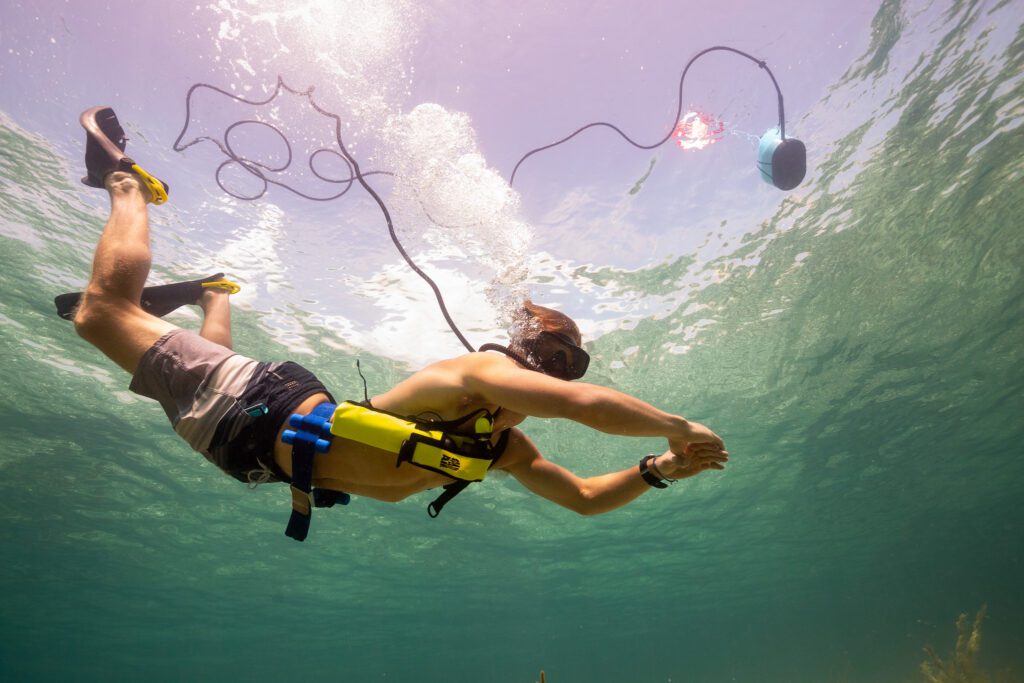
Documenting your underwater cruising journey can be a rewarding experience, allowing you to capture the natural beauty of marine life and the calmness of shallow waters. This guide provides essential techniques for creating a visual log of your underwater observations, focusing on light documentation and observation photography using battery-powered, tankless surface-supplied dive systems designed for short, shallow, task-focused recreational use in calm, controlled conditions. We will cover basic underwater photography tips, the practical advantages of portable dive systems, best practices for creating simple video logs, maintenance and safety considerations, and the essential gear to support responsible underwater visual logging.
What Are the Best Underwater Photography Tips for Cruisers?
Capturing clear underwater photographs while cruising requires attention to basic technique, appropriate equipment, and respect for the underwater environment. The following tips will help you take simple, clear images that document your observations responsibly.
Mastering these fundamental techniques is important for effective visual documentation within the intended operational limits.
How to Capture Clear and Natural Underwater Images
To achieve clear and natural images during your underwater activities, consider these straightforward techniques:
- Use Natural Light: Whenever possible, take photos during daylight hours when natural light is available. This helps reveal the natural colors and details of the underwater environment.
- Adjust White Balance: Underwater colors may appear muted or shifted. Adjusting your camera’s white balance can help restore more natural hues appropriate for shallow, calm waters.
- Maintain Stability: Hold your camera steady or use simple stabilization methods to reduce motion blur. This is especially important in gentle water conditions to keep images clear.
These basic techniques will help you capture simple, visually clear images suitable for light documentation and observation.
Keep in mind that underwater conditions can vary, and it is important to work within the limits of your equipment and environment.
Which Camera Settings Are Suitable for Visual Logs?
Optimizing your camera settings within the scope of casual underwater observation is key. Consider these settings:
- ISO Settings for Available Light: Adjust ISO to suit the lighting conditions, keeping it as low as possible to avoid noise in your images.
- Shutter Speed: Use a shutter speed that helps reduce motion blur, especially when photographing moving marine life in calm waters.
- Aperture Settings: Select an aperture that balances light intake and depth of field to keep your subject clear without overcomplicating settings.
These settings help ensure your visual logs are clear and straightforward, suitable for casual underwater documentation.
How Do Portable Tankless Dive Systems Enhance Underwater Documentation?
Battery-powered, tankless surface-supplied air systems are designed for short, shallow, task-focused recreational use in calm, controlled conditions. These systems support light underwater documentation by providing a compact and manageable air supply option.
What Features Make These Systems Suitable for Cruising?
Compact and Lightweight Design: These systems are easy to carry and handle, making them practical for use in calm, controlled environments such as marinas and shallow waters.
- Battery-Powered Operation: These systems operate on rechargeable batteries, suitable for short-duration use aligned with their intended recreational purpose.
- User-Friendly Controls: Designed for ease of use, these systems require proper training prior to operation to ensure safe and responsible use within their limits.
These features make such systems appropriate choices for divers focused on light underwater observation and documentation within safe, regulated conditions.
How Does Portability Support Responsible Underwater Observation?
The portability of these tankless dive systems supports responsible underwater documentation by:
- Facilitating Easy Transport: Their lightweight nature allows for convenient transport to and from calm water locations.
- Allowing Quick Setup: Minimal setup time helps users prepare efficiently for short, task-focused underwater activities.
- Supporting Use in Controlled Conditions: Their design encourages use in shallow, calm waters where safety and local regulations can be closely observed.
This approach supports safe, responsible underwater visual logging within the operational scope of the equipment.
What Are the Best Practices for Creating Cruising Video Logs Underwater?
Creating simple video logs during your underwater activities requires careful attention to safety and operational limits. Consider these best practices:
Step-by-Step Guide to Planning and Recording Your Visual Log
- Choose Appropriate Locations: Select shallow, calm dive sites that comply with local regulations and marina rules.
- Plan Timing Carefully: Schedule your dives during times of good visibility and favorable conditions, always respecting local guidelines.
- Prepare Equipment Thoroughly: Ensure your camera and dive system are properly set up and checked before entering the water to avoid interruptions.
Following these steps helps maintain a structured and safe approach to underwater documentation.
How to Edit and Share Simple Underwater Videos
Editing underwater footage for light documentation involves straightforward techniques:
- Use Basic Editing Software: Choose user-friendly software for simple cutting and color adjustments.
- Adjust Colors Conservatively: Make modest color corrections to compensate for underwater hues without overprocessing.
- Share Responsibly: Use platforms like YouTube or Vimeo to share your videos, ensuring you respect privacy and local regulations.
By keeping editing simple and sharing responsibly, you can effectively document and share your underwater observations.
How Can You Maintain and Ensure Safety of Your Tankless Dive Equipment?
Proper maintenance and safety practices are essential for the reliable operation of your tankless dive systems. Key tips include:
Essential Maintenance Tips for Portable Dive Systems
- Rinse After Use: Always rinse your equipment with fresh water after each use to remove salt and debris.
- Battery Care: Regularly check and maintain the battery to ensure it is ready for short, task-focused dives.
- Routine Inspections: Inspect your equipment for any signs of wear or damage before each use.
These practices help keep your equipment in good condition for safe operation.
Safe Use of Tankless Dive Gear During Cruising
- Pre-Dive Checks: Conduct thorough equipment checks before entering the water to confirm proper function.
- Emergency Preparedness: Understand emergency procedures and how to respond to equipment issues within the limits of your dive system.
- Buddy System: Always dive with a buddy and maintain clear communication to enhance safety.
Adhering to these safety measures supports responsible and secure underwater activities.
What Equipment and Accessories Support Effective Underwater Visual Logging?
To support your underwater visual logging within the intended use of portable dive systems, consider the following equipment:
Recommended Cameras, Mounts, and Accessories
When selecting cameras and mounts, focus on simple, reliable options suitable for light documentation. Cameras with user-friendly controls and mounts that provide stability—such as handheld grips, tripods, or standard mounts—are ideal for capturing clear images and videos in shallow, calm waters.
Basic underwater lights and filters can improve visibility and color accuracy but should be used conservatively and within equipment limits to maintain natural appearance and avoid disturbing the environment.
Safety, Training, and Operational Considerations
Using battery-powered, tankless surface-supplied dive systems for short, shallow, task-focused recreational observation requires adherence to safety protocols and operational limits. Proper training is essential to ensure safe and responsible use of the equipment. Always operate within the intended scope—shallow, calm waters with short dive durations—and comply with local regulations. Maintain clear communication with your dive buddy, perform thorough pre-dive equipment checks, and be prepared for emergencies. Responsible use and maintenance of your dive system support safe, enjoyable underwater documentation experiences.
Frequently Asked Questions
What are the benefits of using portable dive systems over traditional tanks?
Portable dive systems are lightweight, compact, and battery-powered, making them easier to transport and handle in calm, controlled environments. They provide a practical air supply for short, shallow, task-focused recreational use, allowing divers to document underwater observations without the bulk of traditional tanks. Proper training is required to ensure safe and responsible operation within their intended limits.
How can I improve my underwater photography skills for light documentation?
Improving your underwater photography for light documentation involves practicing basic camera settings, such as adjusting white balance and maintaining steady shots. Familiarize yourself with your camera’s simple controls and practice shooting in well-lit, shallow waters. Focus on capturing clear images that document your observations rather than advanced filming techniques.
What should I consider when choosing a dive site for documentation?
Choose shallow, calm dive sites with good visibility that comply with local regulations and marina rules. Prioritize locations where you can safely operate your portable dive system and maintain clear communication with your dive buddy. Always respect environmental guidelines and avoid areas that require specialized equipment or extended dive times.
How do I ensure my underwater footage is well-lit for observation?
Use natural daylight as much as possible by diving during daytime hours. If needed, simple underwater lights designed for shallow use can help improve visibility. Position lights carefully to minimize backscatter and maintain natural colors. Adjust your camera settings conservatively to optimize exposure without overcomplicating the process.
What are common mistakes to avoid in underwater photography for light documentation?
Avoid neglecting white balance adjustments, which can cause unnatural colors. Maintain a steady hand to prevent blurry images and be mindful of your buoyancy to avoid stirring up sediment. Keep compositions simple and focus on clear, well-framed subjects. Avoid high ISO settings in bright conditions to reduce image noise.
How can I effectively share my underwater videos with others?
Share your videos on platforms that support good playback quality, such as YouTube or Vimeo. Edit your footage simply to enhance clarity and color without overprocessing. Use clear titles and descriptions, and share responsibly, respecting privacy and local regulations. Engaging with viewers through comments can help build a community focused on safe and responsible underwater observation.
Conclusion
Documenting your underwater cruising journey with battery-powered, tankless surface-supplied air systems designed for short, shallow, task-focused recreational use enhances your ability to capture simple, clear visuals within safe and controlled conditions. By mastering basic photography techniques and using user-friendly equipment with proper training, you can create effective visual logs that respect operational limits and local regulations. Embrace a safety-first approach and the responsible use of these systems to enrich your underwater experiences. Explore portable dive systems today to begin your journey into careful and enjoyable underwater documentation.