
Pool Leak Detection Methods: Pressure Testing vs. Dye vs. Diving
Detecting leaks in swimming pools is a critical task for pool service professionals and leak detection technicians to maintain water quality and prevent costly damage. This article explores various pool leak detection methods, focusing on pressure testing, dye testing, and diving inspections. Each method has its unique mechanisms and benefits, providing technicians with diagnostic tools tailored to different stages of the leak detection workflow. Understanding these methods can help professionals perform accurate diagnostics and confirm leak locations efficiently. We will delve into the importance of leak detection, the procedures involved in each method, and maintenance considerations to prevent future leaks.
Introduction to Pool Leak Detection
Pool leak detection is essential for preserving the integrity of swimming pools and ensuring safe, efficient operation. Leaks can lead to significant water loss, increased utility costs, and potential structural damage. Common methods for detecting leaks include pressure testing, dye testing, and diving inspections. This article provides an overview of these methods, their effectiveness, and best practices for technicians to maintain pools and prevent leaks.
Pressure Testing Procedures and Benefits
Pressure testing is a widely used diagnostic method for identifying leaks in pool plumbing systems. This technique involves pressurizing the plumbing lines and monitoring for pressure drops, which indicate a leak. The primary benefit of pressure testing is its ability to pinpoint leaks in hard-to-reach areas without the need for excavation. Additionally, it is a non-invasive method that minimizes disruption to the pool area.
Pressure testing requires specialized equipment, including a pressure gauge and a pump. The process begins by isolating the plumbing system and introducing air or water pressure. If the pressure drops, it signals a leak that requires further investigation. This method is particularly effective for detecting leaks in underground pipes and fittings and is typically one of the first steps in the professional leak detection workflow to narrow down the leak location.
Dye Testing Techniques and Limitations
Dye testing is another common method used by technicians to detect leaks in swimming pools. This technique involves introducing a colored dye into the pool water near suspected leak areas. If there is a leak, the dye will be drawn into the crack or hole, making it visible. Dye testing is straightforward and cost-effective, especially for identifying small leaks.
However, dye testing has limitations. It may not be effective in detecting leaks over large areas or in conditions where water movement is significant, such as windy environments. Additionally, the dye can sometimes be difficult to see depending on the pool’s color and water clarity. Despite these limitations, dye testing remains a valuable diagnostic tool for technicians to quickly identify potential leak sites and is typically used early in the detection process before underwater inspection.
Diving for Leak Detection: Equipment and Safety
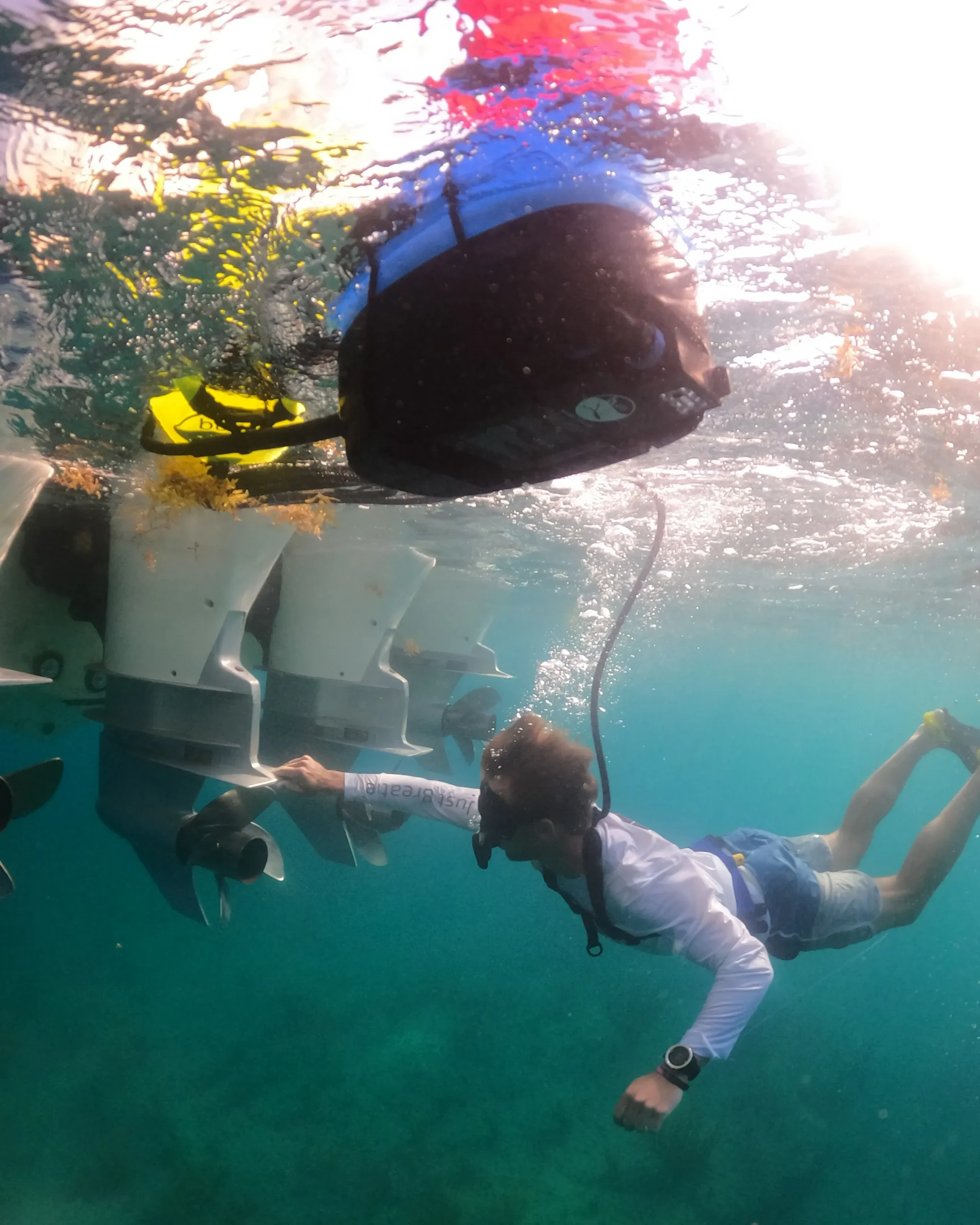
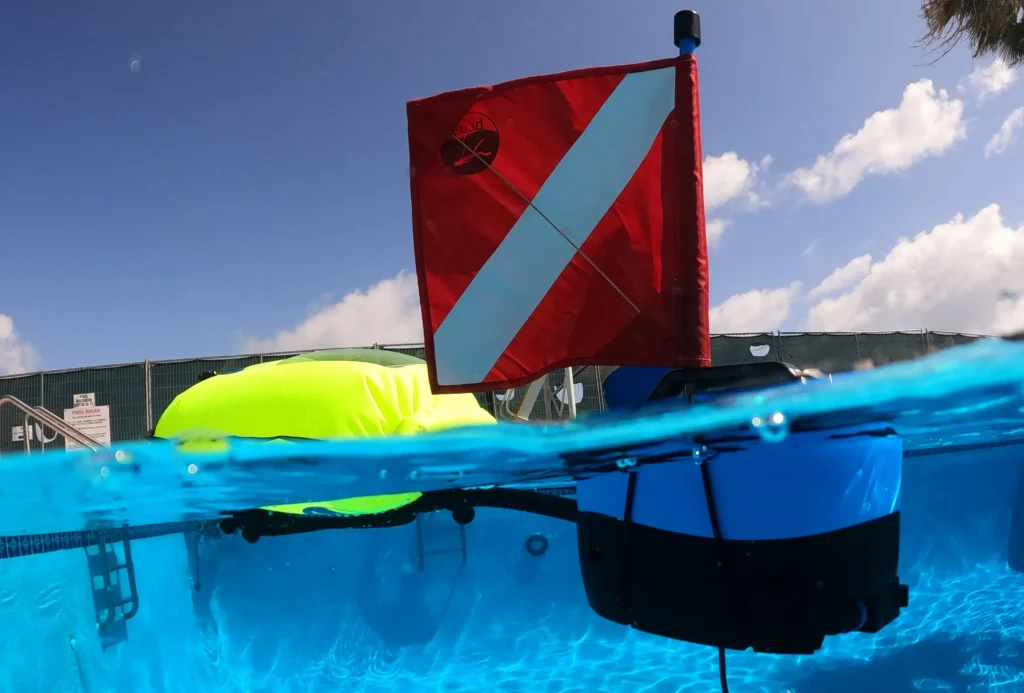
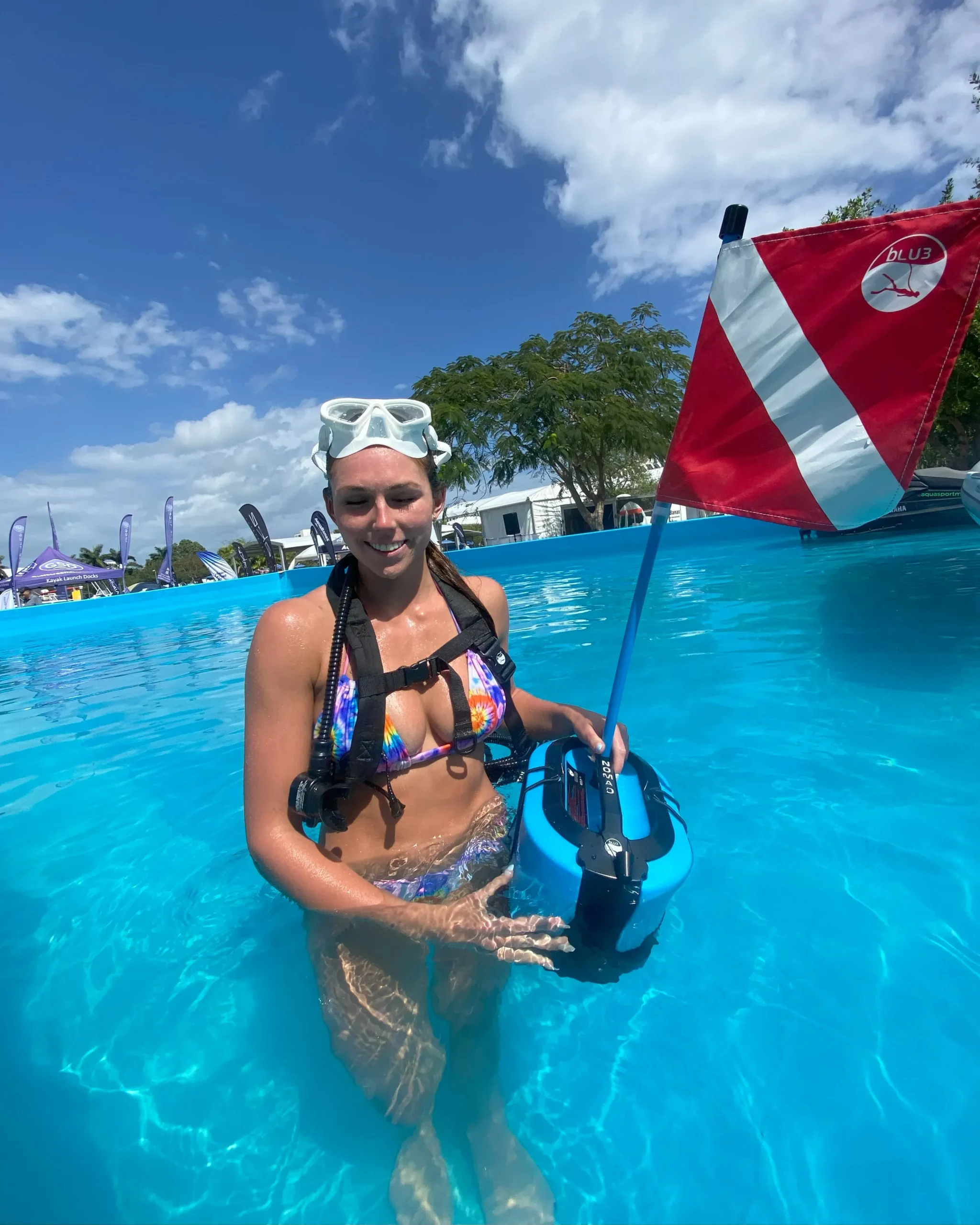
Diving inspections provide a hands-on approach for leak detection, allowing technicians to visually inspect the pool’s structure and plumbing underwater. This method is particularly useful for confirming the exact leak source after pressure and dye testing have narrowed down the location. Divers use specialized equipment such as portable surface-supplied air systems, including BLU3 systems, which provide breathable air from a floating battery-powered compressor through a hose. These systems are designed for short inspection tasks and enhance safety and efficiency during underwater inspections.
Proper dive training is essential for professionals performing underwater inspections. Scuba certification is strongly recommended to ensure divers have the necessary skills and knowledge to conduct safe and effective inspections. Safety protocols must be strictly followed, including the use of appropriate equipment and adherence to dive planning and emergency procedures.
For technicians performing underwater leak detection, diving inspections offer comprehensive assessment capabilities, enabling identification of leaks in hard-to-reach areas such as underwater fittings and surfaces.
Comparative Analysis of Detection Methods
To better understand the effectiveness of each leak detection method within a professional diagnostic workflow, the following table summarizes their characteristics:
This comparison highlights the strengths and appropriate sequencing of each method, supporting technicians in performing efficient and accurate leak detection diagnostics.
Maintenance Tips to Prevent Pool Leaks
Preventing leaks is essential for maintaining pool longevity and operational efficiency. The following maintenance tips are recommended for pool service professionals to help clients avoid leaks:
- Regular Inspections: Conduct routine checks of pool structures and plumbing to identify potential issues early.
- Monitor Water Levels: Track water levels closely; significant drops may indicate leaks requiring investigation.
- Check for Cracks: Inspect pool surfaces for cracks or damage that could lead to leaks.
- Maintain Equipment: Ensure all pool equipment, including pumps and filters, is functioning properly to prevent leaks.
By following these maintenance practices, technicians can help ensure pools remain leak-free and in optimal condition.