
Comprehensive Sailboat Maintenance Guide: Underwater Tasks for Cruising Sailors Using Portable Dive Systems
Maintaining a sailboat is essential for ensuring safety and vessel care, especially for cruising sailors who rely on their boats for extended journeys. This guide focuses on underwater inspection and light cleaning tasks, providing insights into effective hull observation, antifouling awareness, and the use of portable battery-powered tankless dive systems. By understanding these important aspects, sailors can support their vessel’s condition while enjoying the freedom of the open water. This article covers underwater hull inspection techniques, the advantages of portable tankless dive systems for recreational use, antifouling considerations, propeller and rudder inspection best practices, and essential safety guidelines for underwater activities.
How to Perform Effective Underwater Hull Inspection and Light Cleaning for Sailboats?
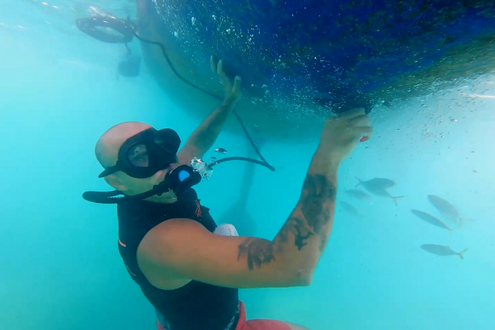
Underwater hull inspection and light cleaning are important for maintaining a sailboat’s condition and preventing marine growth that can affect the vessel’s upkeep. Effective approaches involve using appropriate tools and gentle methods to observe and remove barnacles, algae, and other marine organisms where feasible. Regular attention helps maintain the hull’s integrity and supports overall vessel care.
What are suitable techniques for marine growth observation and light removal?
Several practical techniques can be used for marine growth observation and light cleaning, including:
- Scraping: Using a long-handled scraper to carefully remove barnacles and other hard growths in accessible areas.
- Diving with Tools: Employing portable battery-powered tankless dive systems to access and inspect underwater surfaces for light cleaning and observation.
These methods are intended for light cleaning and inspection rather than comprehensive maintenance, and the choice depends on the sailor’s comfort and the condition of the hull.
How often should underwater hull inspection and light cleaning be performed?
The frequency of underwater hull inspection and light cleaning varies depending on environmental conditions, boat usage, and antifouling measures in place. Warmer waters and frequent use may require more regular attention, while cooler or less active conditions may allow for less frequent checks. Sailors should rely on regular visual inspections to determine when light cleaning or further attention is needed.
What Are Portable Battery-Powered Tankless Dive Systems and Their Intended Use?
Portable battery-powered tankless dive systems are innovative tools designed to support shallow, task-focused recreational underwater inspection and light cleaning. These systems supply air from the surface through a hose, eliminating the need for heavy tanks and allowing for greater mobility during short-duration tasks.
How do Nomad and Nomad Mini support underwater inspection and light cleaning?
The Nomad and Nomad Mini dive systems are designed for cruising sailors seeking portable, battery-powered, tankless surface-supplied air systems. They are intended for shallow, task-focused recreational inspection and light cleaning only, not for repairs or professional antifouling work. Key features include:
- Battery-Powered Operation: Enables cordless use with surface-supplied air for short underwater tasks.
- Portability: Compact and lightweight design for easy transport and handling on board.
- Task-Focused Use: Suitable for observation, inspection, and light cleaning in calm, controlled conditions.
These systems are not intended to provide continuous air supply for extended dives or to replace professional diving equipment.
What features distinguish tankless dive gear for cruising sailors?
Tankless dive gear offers advantages for recreational underwater tasks, including:
- Compact Size: Smaller and lighter than traditional scuba gear, making storage and handling easier on a sailboat.
- Quick Setup: Allows for prompt preparation and access to underwater inspection tasks.
- Surface-Supplied Air: Air is delivered from the surface via hose, supporting short-duration, shallow water activities.
These features make tankless dive systems practical for sailors focused on inspection and light cleaning rather than comprehensive maintenance or repairs.
How to Approach Sailboat Antifouling and Marine Growth Awareness?
Antifouling is an important consideration in sailboat care, helping to reduce marine growth on the hull. Sailors should be aware of antifouling options and regulatory considerations without focusing on specific products or chemical methods.
What general antifouling considerations should sailors keep in mind?
Antifouling strategies vary widely and may include different types of coatings or barrier methods. Sailors should consider local regulations and environmental guidelines when selecting antifouling approaches. It is important to balance effectiveness with environmental responsibility and compliance with regional rules.
How to integrate antifouling awareness with regular underwater inspections?
Integrating antifouling awareness with regular underwater inspections involves:
- Scheduling Inspections: Plan underwater checks to observe the condition of antifouling coatings and marine growth.
- Monitoring Growth: Regularly observe hull surfaces to assess the effectiveness of antifouling measures.
- Adjusting Care: Be prepared to adapt antifouling strategies based on inspection observations and regulatory updates.
This approach supports informed decisions about hull care while respecting environmental and regulatory considerations.
What Are Best Practices for Propeller and Rudder Inspection Underwater?
Inspecting the propeller and rudder is important for maintaining the sailboat’s maneuverability and condition. Regular underwater observation can help identify issues early.
How to safely inspect propellers using portable tankless dive systems?
Using portable tankless dive systems for propeller inspection involves:
- Pre-Inspection Preparation: Ensure equipment is charged and functioning properly before entering the water.
- Visibility: Use underwater lights if needed to improve observation during inspection.
- Gentle Handling: Observe the propeller carefully for signs of wear or damage without disturbing marine life.
These steps promote safe and effective inspection focused on observation and light cleaning.
What common issues should sailors look for during rudder inspections?
When inspecting the rudder, sailors should be attentive to:
- Signs of Wear: Look for cracks, corrosion, or other damage that may affect structural integrity.
- Alignment: Observe whether the rudder appears properly aligned with the hull.
- Marine Growth: Note any accumulation that could impact rudder function.
Early observation of these issues supports timely care and helps maintain vessel condition.
Which Safety Guidelines Should Cruising Sailors Follow During Underwater Inspection and Light Cleaning?
Safety is essential when performing underwater inspection and light cleaning. Following BLU3-appropriate safety practices helps ensure a secure and enjoyable experience.
What are essential safety practices for using tankless dive systems?
Key safety practices include:
- Training: Obtain proper training to understand the operation and limitations of tankless dive systems.
- Buddy System: Always perform underwater activities with a partner for mutual support and safety.
- Calm Conditions: Choose calm water and favorable weather to minimize risks during underwater tasks.
- Compliance: Follow marina rules and local regulations related to underwater activities and equipment use.
Adhering to these guidelines helps mitigate risks and promotes responsible underwater inspection and light cleaning.
Sailboat underwater care is best approached as a series of inspection, observation, and light cleaning tasks supported by appropriate tools and safety practices. By using portable battery-powered tankless dive systems designed for recreational use and following recommended safety measures, cruising sailors can maintain awareness of their vessel’s condition and enjoy their time on the water responsibly.