How Pool Professionals Breathe Underwater Without Scuba Tanks
Pool professionals often require specialized equipment to perform underwater tasks efficiently and safely. Unlike traditional scuba tanks, which can be cumbersome and limit mobility, innovative underwater breathing systems allow these professionals to work for extended periods without the need for heavy gear. This article explores the mechanisms behind these systems, their benefits, and how to choose the right equipment for specific underwater tasks. By understanding these technologies, pool professionals can enhance their safety and efficiency while working underwater as part of a structured inspection workflow.
Why Pool Professionals Sometimes Need to Work Underwater
Pool maintenance and repair often demand direct underwater access to accurately diagnose and address issues that are not visible from above the surface. Tasks such as leak detection at fittings, drains, and structural surfaces require close visual inspection to identify the exact source of water loss. Professionals must sometimes replace main drain covers, which involves working beneath the waterline to remove and install these safety-critical components securely. Light niche inspections are also common, as these fixtures can develop electrical or water intrusion problems that need to be assessed underwater. Additionally, crack diagnosis and visual confirmation of structural integrity are essential to prevent further damage and costly repairs. These tasks necessitate getting underwater because visual access to submerged surfaces provides the clarity and detail needed for accurate diagnosis and effective repair. Without direct underwater inspection, many issues could be misdiagnosed or overlooked, leading to ineffective maintenance and potential safety hazards.
Benefits of Underwater Breathing Systems
Underwater breathing systems provide several advantages for pool professionals, making them an essential tool for various tasks. These systems enhance operational efficiency, extend the duration of underwater work, and offer portability and ease of use.
- Operational Efficiency: These systems allow professionals to complete tasks more effectively by providing a continuous air supply without the need for frequent resurfacing.
- Extended Duration of Underwater Work: Professionals can work for longer periods underwater, which is beneficial for thorough inspections and repairs.
- Portability and Ease of Use: Many underwater breathing systems are lightweight and easy to transport, making them ideal for pool maintenance and repair tasks.
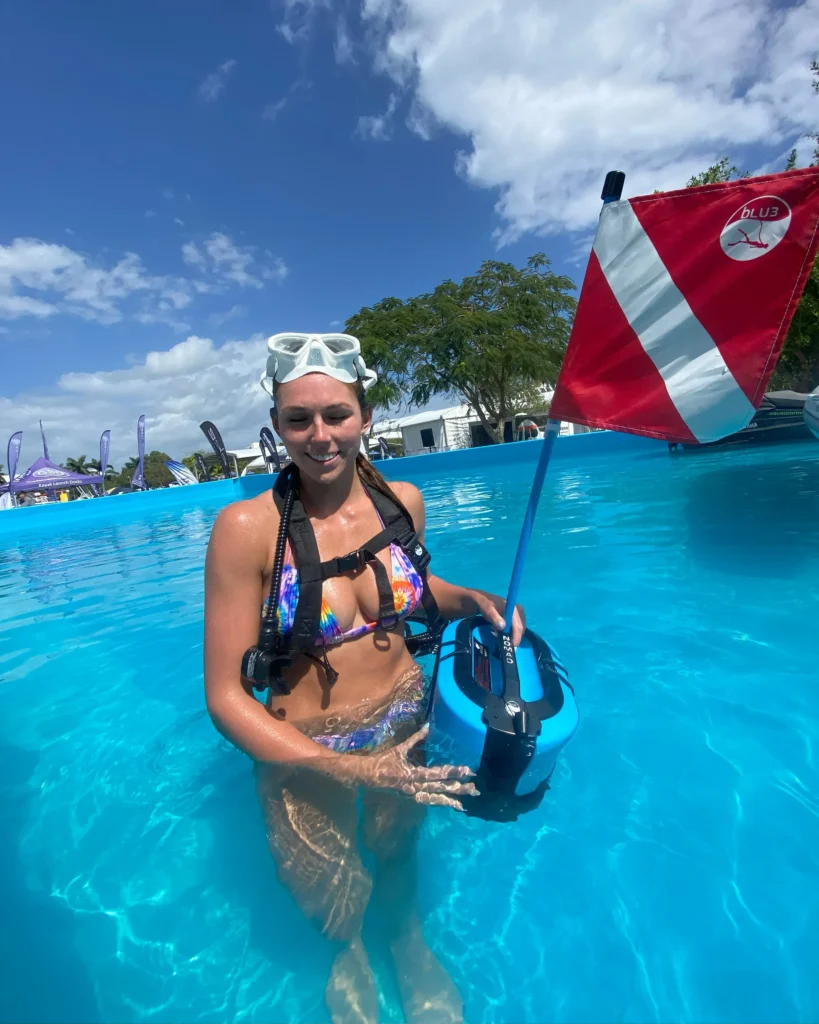
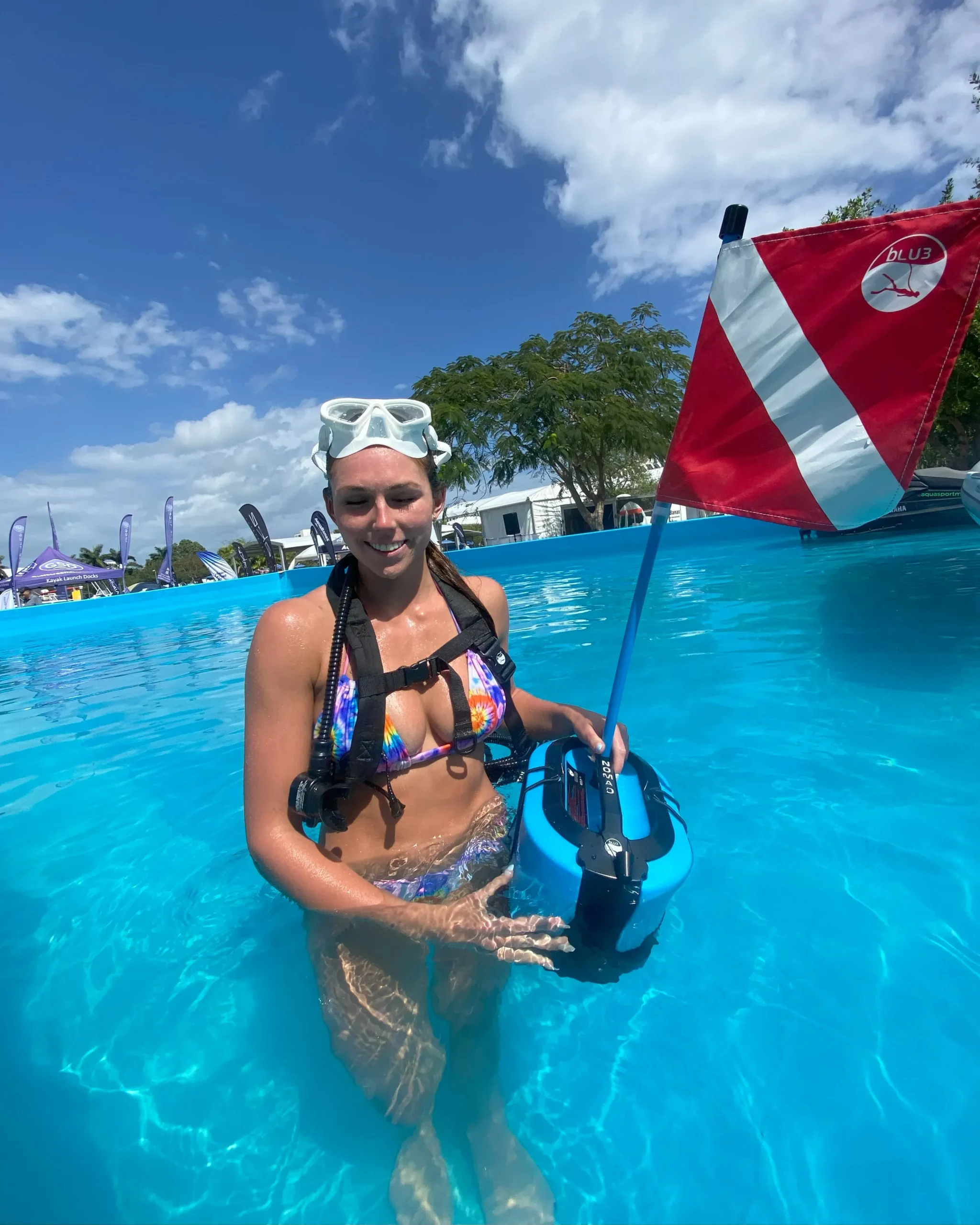
For pool professionals looking to invest in high-quality underwater breathing solutions, DiveBlu3 offers specialized battery-powered surface-supplied air systems tailored for these needs. Their equipment delivers air from a floating compressor through a hose, designed to enable safe and efficient underwater work when used by properly trained operators.
Why Scuba Tanks Are Rarely Used in Pool Service
While scuba tanks are the standard for many underwater activities, they are rarely practical for pool service work. One major reason is the bulk and difficulty of transporting scuba gear to residential job sites, where space is often limited and maneuvering heavy tanks can be cumbersome. Additionally, the setup time required for scuba equipment is relatively complex compared to the short duration of most pool inspections, making it inefficient for quick tasks. Scuba certification and proper dive training are essential for safe use of scuba equipment, which adds complexity that may not align with the typical shallow, controlled environments of pool work. Since most pool inspections involve shallow water and brief underwater intervals, scuba tanks are often not the most practical tool for the job. They are less suited for quick, repeated shallow-water inspections and repairs, where ease of use and rapid deployment are critical. Pool professionals benefit from breathing systems designed specifically for their work environment, used as part of a structured inspection workflow and operated by trained personnel.
How Surface-Supplied Air Systems Work
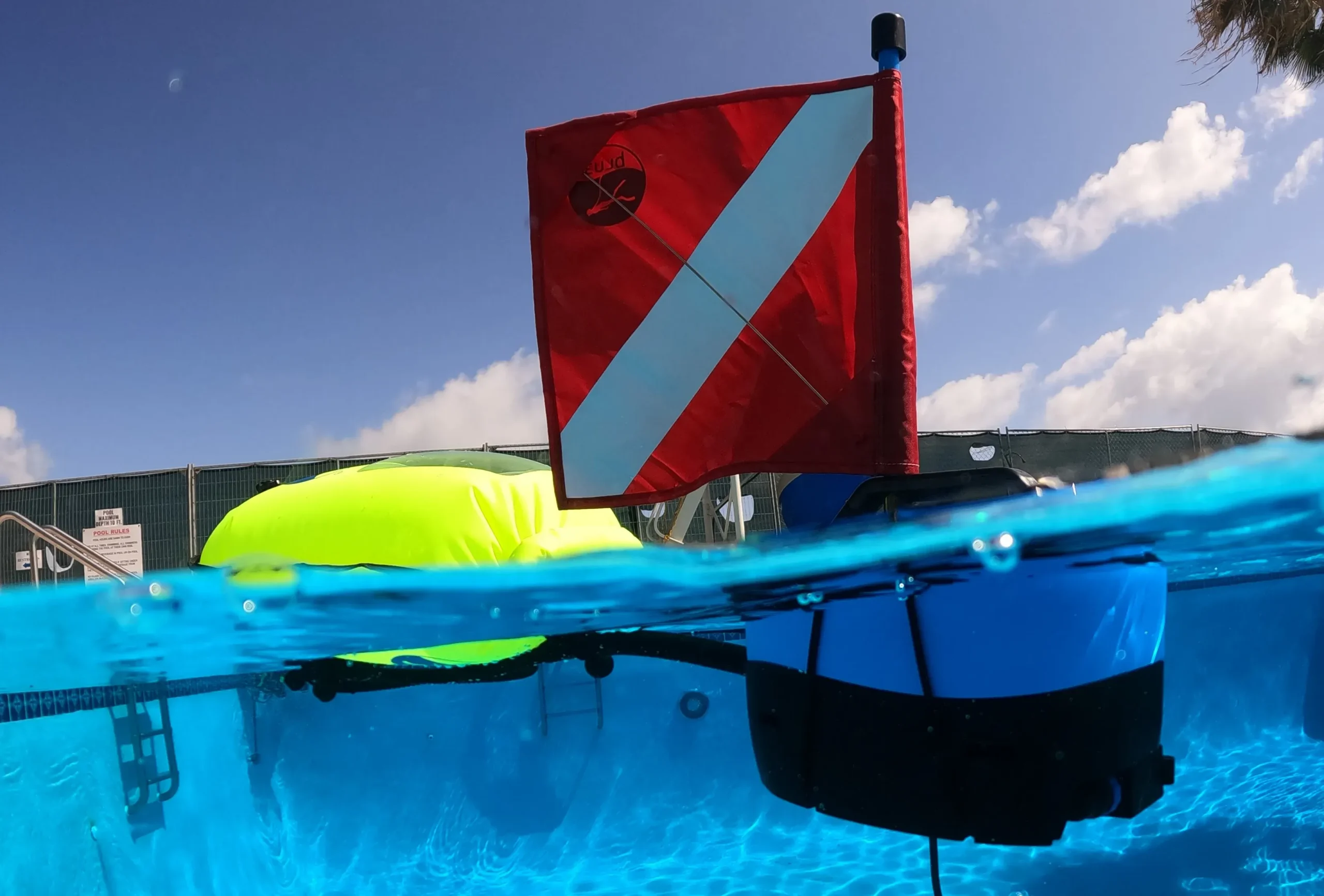
Surface-supplied air systems offer a reliable alternative to scuba tanks for underwater pool work. These systems consist of a floating compressor unit that sits on the pool surface, supplying air through a hose directly to the diver below. The compressor is battery-powered, eliminating the need for bulky tanks and allowing for easy transport and setup. This setup is especially well-suited for shallow-water work, where mobility and quick access to the surface are important. The straightforward design simplifies maintenance and reduces complexity, making surface-supplied air systems a practical choice for pool professionals who need dependable breathing solutions during underwater inspections and repairs when used by properly trained operators.
Why Battery-Powered Systems Are Practical for Pool Work
Battery-powered underwater breathing systems are particularly practical for pool professionals due to their fast setup and operational efficiency. These systems can be ready for use within minutes, allowing technicians to begin inspections or repairs without delay. Designed specifically for shallow water environments like residential pools, they provide just the right amount of air supply without the bulk of traditional scuba gear. Their portability makes them easy to transport to various job sites, fitting well into the workflow of pool service professionals who often move between locations. Importantly, proper dive training and scuba certification are strongly recommended for anyone performing underwater work to ensure safety and effective operation. The combination of quick deployment, ease of use, and suitability for shallow water makes battery-powered surface-supplied air systems an ideal solution for the demands of pool maintenance and repair when used by trained operators.
How to Choose the Right Breathing Gear
Selecting the appropriate underwater breathing gear is crucial for ensuring safety and effectiveness during underwater tasks. Here are some key considerations to keep in mind:
- Considerations for Safety and Comfort: Look for systems that provide a secure fit and are comfortable for extended use. Safety features such as pressure gauges and emergency release valves are also essential.
- Types of Breathing Systems Available: Familiarize yourself with battery-powered surface-supplied air systems that deliver air from a floating compressor through a hose, designed specifically for pool service professionals.
- Recommendations for Specific Use Cases: Depending on the tasks at hand, certain systems may be more suitable. Surface-supplied air systems are ideal for pool repairs and inspections within controlled environments.
DiveBlu3 specializes in providing innovative underwater breathing solutions, ensuring that pool professionals have access to the best equipment for their specific needs when used as part of a structured inspection workflow by trained operators.
BLU3 Nomad Mini
The BLU3 Nomad Mini is a compact, battery-powered surface-supplied air system purpose-built for pool service professionals. Its design focuses on portability and ease of use, making it ideal for short underwater inspection tasks commonly encountered in pool maintenance. The Nomad Mini provides approximately 40 minutes of continuous air supply per battery charge, which is sufficient for most pool inspection and repair jobs. For professionals who need to work on back-to-back jobs or extended periods, the system supports quick battery swaps, ensuring minimal downtime between tasks. This feature is especially valuable for pool technicians who manage multiple service calls in a day. The Nomad Mini delivers air from a floating compressor through a hose, providing a reliable breathing solution when used by properly trained operators. While the Nomad Mini is optimized for residential pool environments, the larger BLU3 Nomad model is available for professionals who also work in open-water or non-pool settings, offering extended air supply and additional features suited for those conditions. Pool professionals interested in enhancing their underwater work efficiency and safety are encouraged to explore the Nomad Mini as a reliable and practical breathing solution within a structured and trained operational framework.