
Factors That Influence the Complexity and Cost of Professional Pool Leak Detection
For pool service professionals and leak detection technicians, understanding the factors that drive the complexity and cost of pool leak detection jobs is essential for accurate job scoping and pricing. This article explores the key elements that influence the difficulty and expense of professional leak detection, focusing on diagnostic workflows, specialized equipment, and safety considerations. By examining these aspects, technicians can better anticipate challenges and optimize their approach to delivering effective leak detection services.
Cost and Complexity Factors
Several critical factors contribute to the complexity and cost of professional pool leak detection jobs. Recognizing these can help technicians plan resources and manage client expectations effectively.
- Labor and Expertise: The skill level and experience of the technician significantly impact the job’s complexity and duration. Highly trained professionals with specialized leak detection knowledge can perform more efficient diagnostics, reducing time on site but often commanding higher rates.
- Diagnostic Equipment: The choice of diagnostic tools affects both accuracy and cost. Commonly used equipment includes pressure testing apparatus and electronic listening devices, which help narrow down the leak location before underwater inspection. Advanced technologies like sonar and thermal imaging are generally not used in residential pool leak detection and thus are excluded from typical workflows.
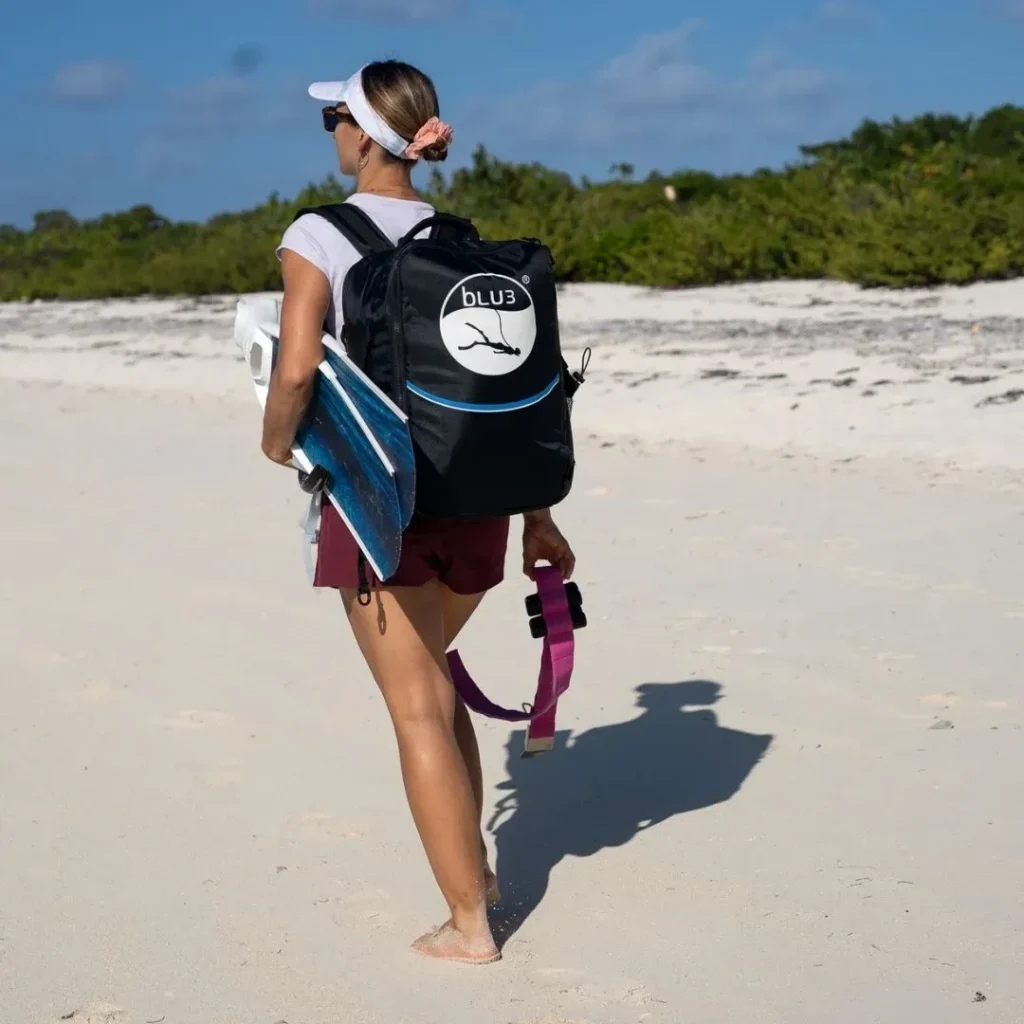
- Underwater Inspection Tools: For visual confirmation of leaks, portable surface-supplied air systems are preferred over traditional scuba gear. Systems such as BLU3 deliver breathable air from a floating, battery-powered compressor through a hose, enabling short-duration underwater inspections without the bulk of scuba tanks. This equipment enhances mobility and safety during inspections but requires proper dive training and certification.
- Repair Materials: While repair materials contribute to overall job costs, their impact is secondary in leak detection-focused discussions. The type and extent of repairs depend on the leak’s nature and location, but technicians primarily focus on accurate detection before repair planning.
Role of Portable Surface-Supplied Air Systems in Underwater Inspections
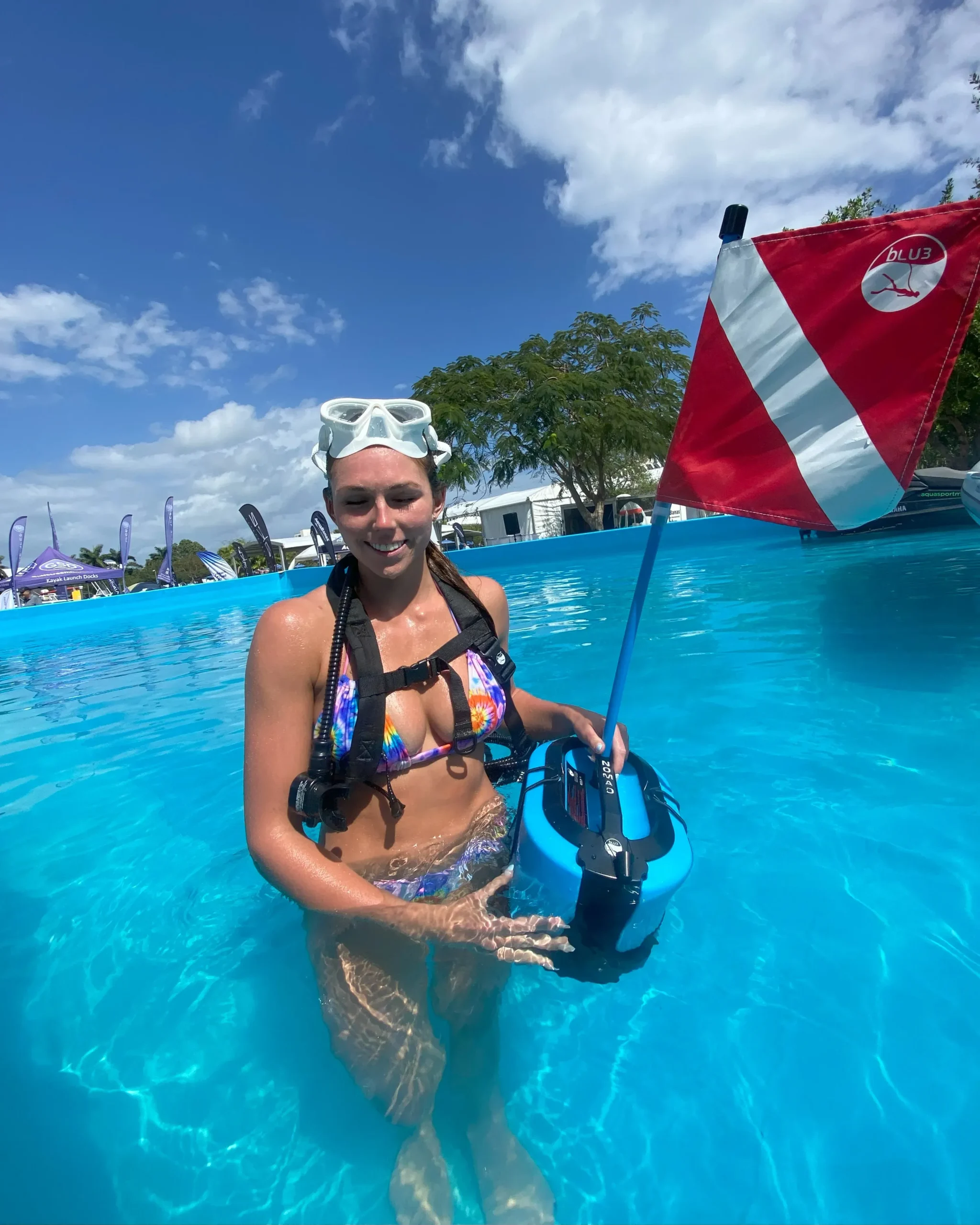
Underwater inspection is a critical step in confirming the exact source of a pool leak. Portable surface-supplied air systems have become a preferred choice for many professionals conducting these inspections. Unlike traditional scuba gear, these systems provide breathable air from a floating, battery-powered compressor through a hose, allowing for short, efficient inspection tasks.
Key advantages of using portable surface-supplied air systems include:
- Enhanced Safety: These systems reduce the need for bulky scuba tanks and simplify air supply management, but proper dive training is mandatory, and scuba certification is strongly recommended for all technicians performing underwater inspections.
- Operational Efficiency: The lightweight and portable nature of these systems allows technicians to maneuver easily underwater, facilitating thorough visual inspections in confined pool environments.
- Cost Considerations: While initial investment in surface-supplied air systems may be higher than basic diving gear, the improved efficiency and safety can reduce overall job time and risk, potentially lowering long-term operational costs.
Professional Diagnostic Workflow and Associated Costs
Professional pool leak detection typically follows a structured diagnostic workflow designed to efficiently locate leaks while managing costs:
- Pressure Testing: Initial pressure tests help determine if a leak exists and provide a general area of concern by monitoring pressure loss in the pool’s plumbing or structure.
- Electronic Listening Devices: These devices are used to detect the sound of escaping water, further narrowing down the leak location without invasive measures.
- Underwater Visual Inspection: Once the leak area is identified, technicians perform a visual inspection underwater using portable surface-supplied air systems to confirm the exact source of the leak.
This workflow balances accuracy and cost-effectiveness by minimizing unnecessary underwater time and focusing resources where they are most needed.
Safety and Training Considerations
Safety is paramount in professional pool leak detection, especially during underwater inspections. Technicians must have proper dive training, and scuba certification is strongly recommended to ensure competence in handling underwater environments and emergency situations. Adhering to safety protocols not only protects personnel but also enhances the reliability of leak detection outcomes.