
Complete Guide to Pool Leak Detection Tools and Professional Inspection for Service Professionals
Pool leak detection is a structured diagnostic workflow performed by trained professionals to accurately identify and confirm leak sources in swimming pools. The process begins when a customer reports unexplained water loss, typically observed as a drop in the pool’s water level without obvious causes such as evaporation or splash-out. The technician then isolates individual plumbing lines using pressure testing kits to determine where pressure is lost, indicating a potential leak. Once a suspect line or area is identified, dye testing tools are employed by injecting dye near the suspected leak point to visually confirm water movement escaping from the pool structure or plumbing. Finally, an underwater visual inspection is conducted by a technician equipped with a battery-powered surface-supplied air system, such as the BLU3 Nomad Mini, allowing direct observation and precise localization of the leak source. This professional workflow ensures accurate diagnosis and efficient leak detection in residential pools.
What Are the Essential Pool Leak Detection Tools for Professionals?
Professionals in the pool leak detection industry rely on a set of specialized tools designed to support the structured diagnostic workflow. These tools improve accuracy and streamline the inspection process. Essential tools include:
- Pressure Testing Kits: Used to pressurize and isolate individual plumbing lines, these kits help identify where pressure loss occurs, indicating a leak.
- Dye Testing Tools: Syringes or squeeze bottles filled with dye are used to inject colored fluid near suspected leak points to visually confirm leaks.
- Electronic Listening Devices: Basic acoustic or electronic listening devices amplify sounds of escaping water, aiding in pinpointing leaks that are not visible.
- Underwater Visual Inspection Systems: Battery-powered surface-supplied air systems like the BLU3 Nomad Mini enable technicians to perform direct underwater inspections without the need for scuba tanks.
- LED Inspection Lights: Portable lighting enhances visibility during underwater inspections, especially in shaded or deep areas of the pool.
- Mirrors and Inspection Wands: These assist in viewing confined or hard-to-reach areas above and below water.
- Repair Supplies: While repair is outside the scope of detection, having basic materials on hand allows for immediate documentation and handoff to repair teams.
Using these tools in combination allows service professionals to conduct thorough and precise leak detection inspections.
Which Underwater Leak Detection Equipment Enhances Inspection Accuracy?
Accurate underwater inspection is critical for confirming leak locations identified through pressure and dye testing. The following equipment is standard among leak detection technicians:
- Pressure Testing Kits: These kits are essential for isolating plumbing lines and verifying pressure integrity before underwater inspection.
- Dye Testing Tools: Syringes or squeeze bottles filled with dye provide visual confirmation of leaks by showing dye movement at leak points.
- Electronic Listening Devices: These devices amplify the sound of water escaping from leaks, helping to narrow down inspection areas.
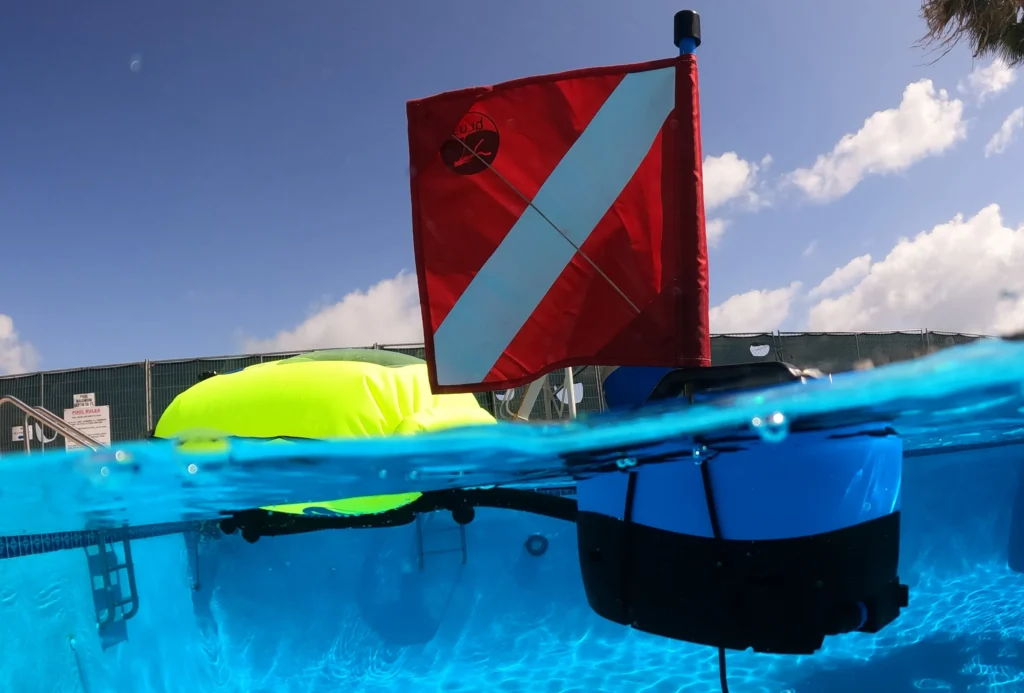
- Battery-Powered Surface-Supplied Air Systems: Systems like the BLU3 Nomad Mini provide breathable air through a hose connected to a floating compressor unit, allowing technicians to remain underwater for short inspections without scuba tanks.
Integrating these tools into the inspection workflow significantly improves the accuracy and efficiency of leak detection.
How Does Portable Surface-Supplied Air Equipment Support Effective Pool Leak Detection?
Portable surface-supplied air (SSA) systems are the professional standard for underwater pool leak inspections. Unlike traditional scuba gear, SSA systems provide several advantages tailored to residential pool environments:
- Battery-Powered Floating Compressor: The compressor unit floats on the pool surface, supplying air through a hose to the technician underwater.
- Breathing Hose Delivery: Air is delivered via a flexible hose, eliminating the need for bulky tanks and allowing for easy maneuverability.
- Short-Duration Inspections: Designed for shallow residential pools (typically 5–10 feet deep), these systems support brief underwater tasks with ability to swap batteries for additional run time.
- Compact and Portable: Systems like the BLU3 Nomad Mini are lightweight and purpose-built for confined underwater work, making them ideal for pool leak detection.
By using SSA systems, technicians can perform direct visual inspections safely and efficiently, confirming leak sources with minimal setup and training.
How to Conduct a Professional Pool Leak Inspection Efficiently?
Performing a professional pool leak inspection involves a systematic sequence of diagnostic steps to ensure thoroughness and accuracy. The recommended workflow includes:
- Customer Report and Initial Assessment: Begin when a customer reports unexplained water loss, noting the rate and pattern of water level drop.
- Pressure Testing of Plumbing Lines: Isolate and pressurize individual lines using pressure testing kits to identify where pressure is lost.
- Dye Testing for Leak Confirmation: Inject dye near suspected leak points to visually confirm water escaping from the pool structure or plumbing.
- Underwater Visual Inspection: Use a battery-powered surface-supplied air system to perform a direct underwater inspection, locating and documenting the exact leak source.
- Documentation and Reporting: Record all findings, including pressure test results, dye test observations, and underwater inspection details, to provide a comprehensive report for repair teams or clients.
Following this structured workflow ensures efficient and accurate leak detection.
What Are the Step-by-Step Procedures for Underwater Leak Detection?
Underwater leak detection is the final confirmation step in the diagnostic process. The procedure includes:
- Preparation and Equipment Check: Verify that the surface-supplied air system is functioning properly, hose connections are secure, and inspection lights are operational.
- Entry and Visual Survey: The technician enters the pool using the SSA system and conducts a detailed visual inspection of the suspected leak area.
- Dye Injection Observation: Observe the behavior of dye introduced near the leak point to confirm water movement escaping from the pool structure.
- Leak Source Identification: Pinpoint the exact location of the leak, noting its size and characteristics for reporting.
- Exit and Documentation: Safely exit the pool and document all observations with photos, videos, and written notes.
This methodical approach ensures that all potential leaks are accurately identified and recorded.
Which Safety Guidelines Should Professionals Follow During Inspections?
Safety during pool leak inspections focuses on equipment functionality, electrical hazard awareness, and general shallow-water precautions. Key guidelines include:
- Equipment Checks: Before entering the water, verify that the surface-supplied air system is operating correctly and that all hose connections are secure to prevent air supply interruptions.
- Electrical Safety Awareness: Confirm that pool lighting is turned off and that proper bonding and grounding are in place near the pool to minimize electrical hazards.
- Shallow-Water Precautions: Ensure the pool is clear of bathers during inspection and maintain clear communication with the pool owner or operator throughout the process.
Adhering to these safety measures minimizes risks and supports a safe inspection environment.
What Are the Recommended Practices for Handling Leak Detection Findings?
Once leaks are detected and confirmed, the primary responsibility of the service professional is to document the findings comprehensively. This includes detailed notes, photographs, and video evidence of the leak location and characteristics. The documented information should then be communicated clearly to repair specialists or pool owners for appropriate remediation. While repair methods vary widely and are outside the scope of this guide, timely and accurate reporting ensures that repairs can be planned and executed effectively, minimizing pool downtime and further damage.
Why Is Specialized Training Important for Pool Leak Detection Professionals?
Specialized training focused on the use of leak detection tools and underwater inspection equipment is essential for professionals to perform accurate and safe inspections. Training programs often include familiarization with pressure testing kits, dye testing techniques, electronic listening devices, and operation of surface-supplied air systems like the BLU3 Nomad Mini. Such training ensures technicians understand the professional workflow, equipment maintenance, and safety protocols specific to pool leak detection, leading to improved inspection outcomes and client satisfaction.