
Tools Used in Professional Pool Leak Detection
Detecting leaks in swimming pools is a critical task that ensures the longevity and efficiency of pool systems. Various tools and technologies are employed to identify and address these leaks effectively. This article delves into the essential tools used in professional pool leak detection, highlighting their mechanisms and benefits. Readers will learn about the different types of pool leak detection tools, including underwater inspection cameras and electronic listening devices, and how they contribute to maintaining pool integrity. Understanding these tools can help pool service professionals and leak detection technicians make informed decisions about leak detection workflows and techniques. The article will cover an overview of tools and technologies, portable surface-supplied air systems for underwater inspection, electronic listening devices, pool leak repair equipment, and training and safety guidelines for underwater leak detection.
Overview of Tools and Technologies
Pool leak detection tools are specialized instruments designed to identify leaks in various pool systems. These tools work by utilizing different mechanisms, such as visual inspection, sound detection, and pressure testing. The primary benefit of using these tools is their ability to pinpoint leaks accurately, which can save time and resources during repairs.
Some common types of tools include:
- Underwater Inspection Cameras: These cameras allow professionals to visually inspect the pool’s interior, identifying cracks or damage that may not be visible from the surface.
- Electronic Listening Devices: These devices detect the sound of water escaping from a leak, providing a non-invasive method to locate leaks in plumbing systems.
- Pressure Testing Equipment: This equipment tests the integrity of pool plumbing by measuring pressure changes, indicating potential leaks.
By employing these tools, pool professionals can ensure that leaks are detected early, preventing further damage and costly repairs.
Portable Surface-Supplied Air Systems for Underwater Inspection
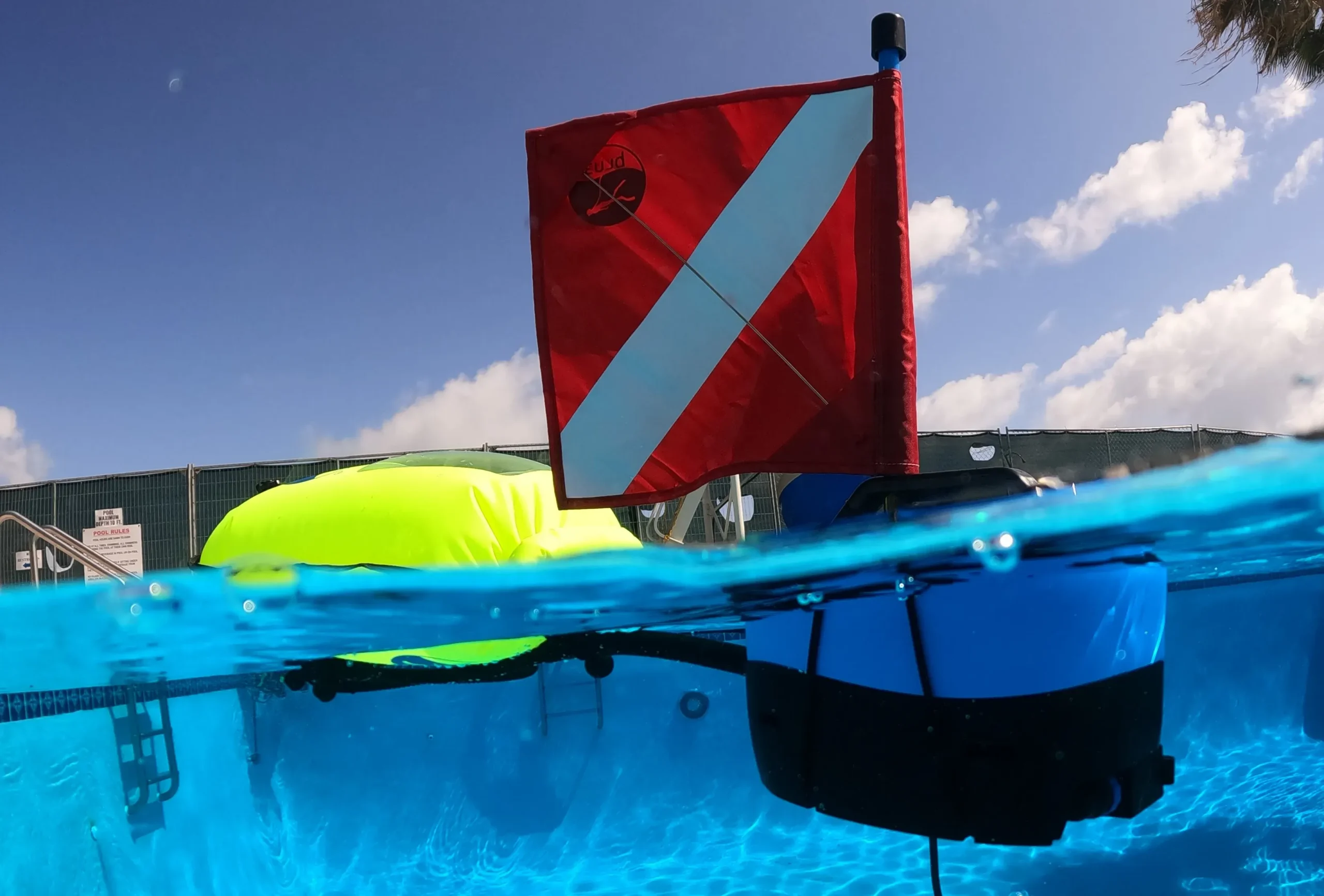
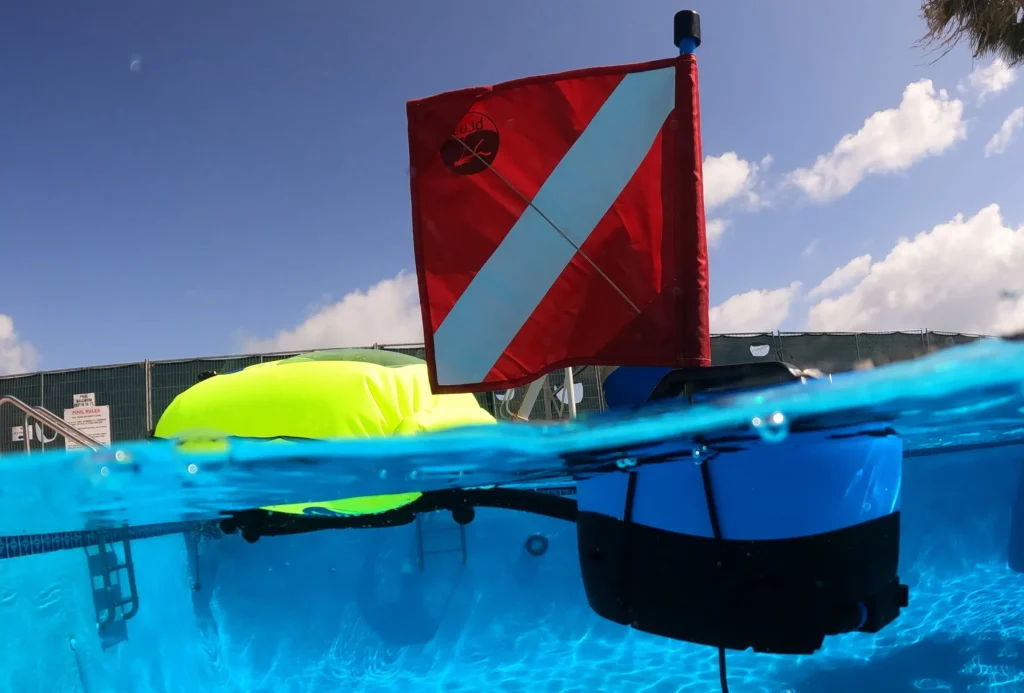
For underwater pool inspections, portable surface-supplied air systems are increasingly used by professionals. These systems deliver breathable air from a floating, battery-powered compressor through a hose, allowing technicians to perform short inspection tasks underwater without the need for traditional scuba equipment. This method enhances safety and efficiency during leak detection in hard-to-reach areas.
Key features of these systems include:
- Portability: Compact and easy to deploy at pool sites.
- Continuous Air Supply: Air is supplied from the surface, eliminating the need for bulky tanks.
- Ease of Use: Designed for short-duration inspections with minimal setup.
These systems are well-suited for professional leak detection workflows, providing reliable underwater access while maintaining safety and operational efficiency.
Types of Portable Surface-Supplied Air Systems
When selecting a surface-supplied air system for underwater inspection, consider:
- Battery Life: Sufficient for the expected duration of inspection tasks.
- Hose Length: Adequate to reach all inspection areas within the pool.
- Noise Level: Low noise to avoid interference with acoustic leak detection.
Electronic Listening Devices
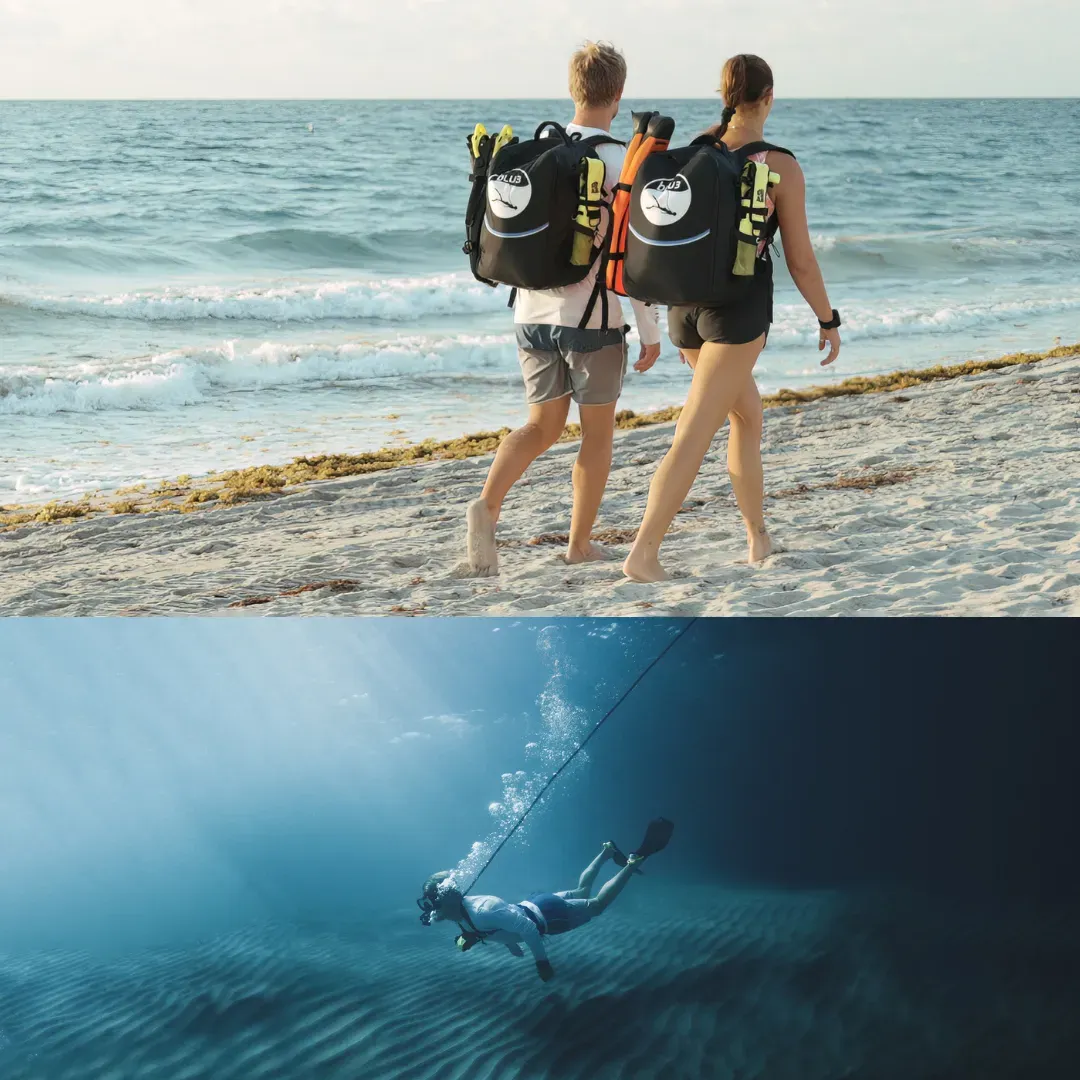
Electronic listening devices are advanced tools that enhance the accuracy of leak detection. These devices operate by detecting the sound of water escaping from leaks within plumbing lines and pool structures. Unlike ultrasonic terminology, which is uncommon in the pool industry, these electronic listening devices are widely used by technicians to perform non-invasive leak detection.
How Electronic Listening Devices Work
These devices use sensitive microphones and sensors to pick up the noise generated by water escaping through leaks. The sound is then amplified and analyzed to help pinpoint the exact location of the leak. This method allows for quick assessments without disrupting the pool’s structure.
Advantages of Electronic Listening Devices
- Non-invasive: No physical alterations to the pool are required.
- Quick results: Immediate feedback on potential leak locations.
- Versatility: Suitable for use in pools, spas, and plumbing systems.
Pool Leak Repair Equipment
While the primary focus of this article is on leak detection tools, some basic repair equipment is necessary once leaks are identified. Common repair materials include:
- Sealants: Used to fill cracks and gaps in pool surfaces to prevent water loss.
- Epoxy Kits: Provide strong, water-resistant bonds for structural repairs.
Pressure testing equipment is also used during repairs to verify that plumbing systems are properly sealed after work is completed.
Training and Safety for Underwater Leak Detection
Safety is paramount when conducting underwater leak detection. Proper dive training is required for technicians performing underwater inspections, and scuba certification is strongly recommended to ensure competence and safety. Although traditional scuba gear is not typically used with surface-supplied air systems, understanding scuba diving principles enhances overall safety awareness.
Safety Protocols
- Equipment Checks: Conduct thorough inspections of all gear, including surface-supplied air systems, before entering the water.
- Shallow-Water Safety: Follow best practices for working in shallow pools, including monitoring air supply and maintaining communication with surface support.
- Emergency Procedures: Be familiar with protocols for handling incidents during underwater inspections.
By investing in proper training and adhering to safety protocols, leak detection professionals can perform underwater inspections effectively and safely.