
Why Pool Leak Detection Often Requires Underwater Inspection
Accurate leak detection in swimming pools is a specialized task that frequently requires underwater inspection to confirm the exact source of leaks. For pool service professionals and leak detection technicians, understanding the diagnostic workflow and the role of underwater inspection is essential for effective leak identification and resolution. This article outlines the professional approach to leak detection, the use of portable surface-supplied air systems for underwater inspection, and the key techniques and safety considerations involved.
Portable Surface-Supplied Air Systems for Underwater Pool Inspection
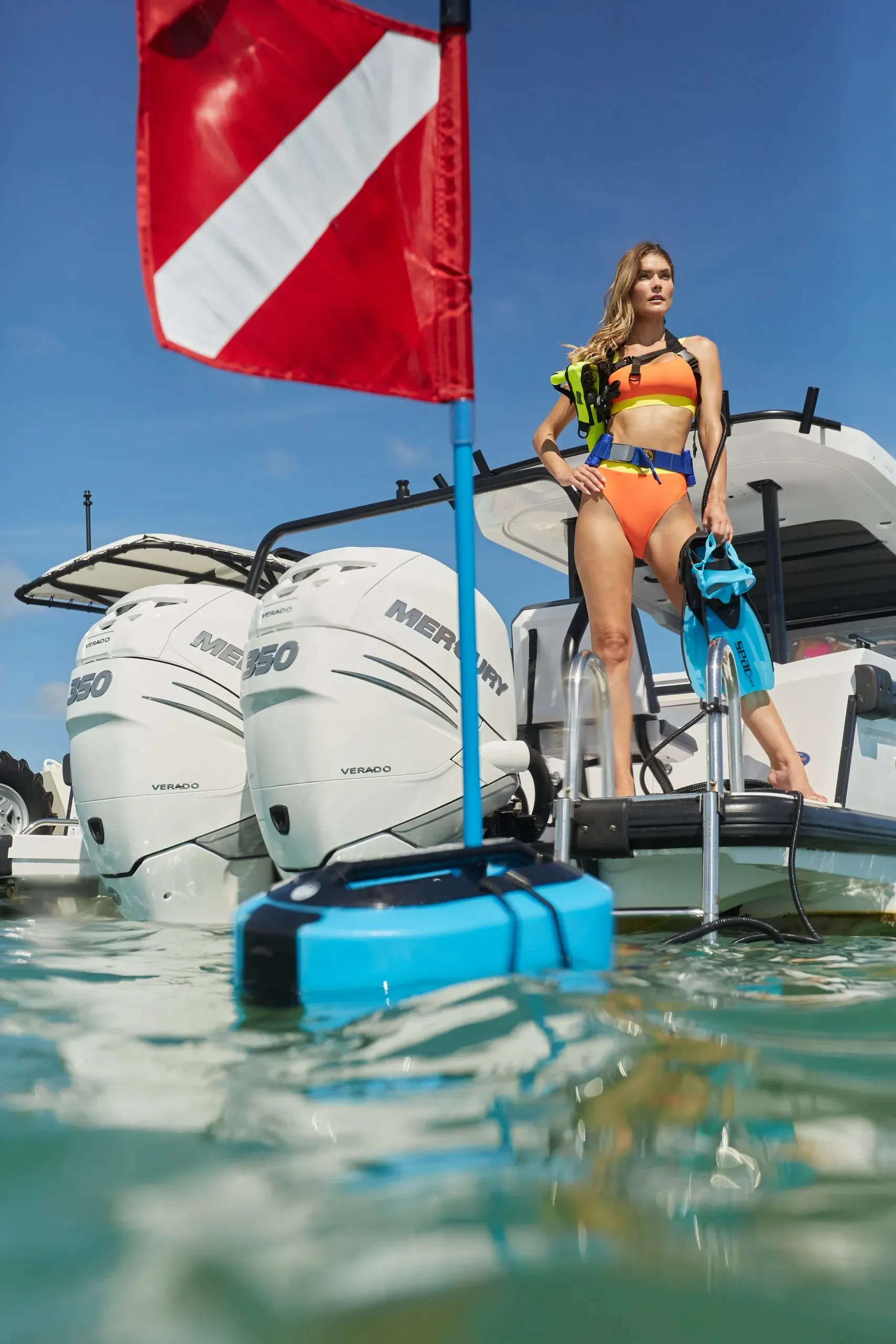
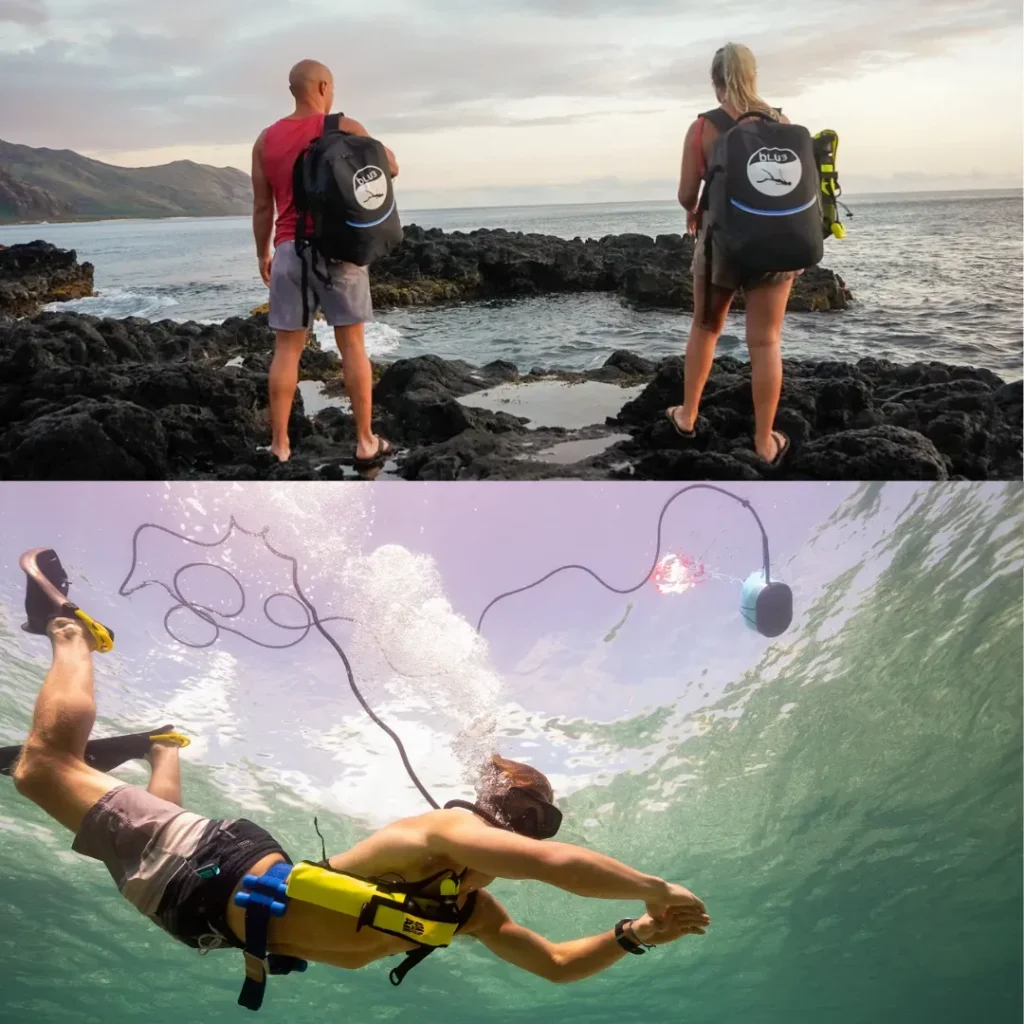
Underwater inspections in pool leak detection are typically performed using portable surface-supplied air systems rather than traditional scuba gear. Systems like BLU3 deliver breathable air from a floating, battery-powered compressor through a hose to the diver, enabling short-duration inspection tasks without the need for bulky scuba equipment.
These surface-supplied systems provide several advantages for pool inspections:
- Continuous air supply from the surface, reducing the need for heavy tanks.
- Lightweight and portable setup suitable for residential and commercial pools.
- Improved safety and communication options compared to traditional scuba gear.
Unlike scuba diving, surface-supplied systems do not typically use buoyancy control devices or dive computers, simplifying the equipment and focusing on the inspection task.
Professional Leak Detection Workflow
Effective leak detection follows a systematic workflow to narrow down and confirm leak locations:
- Pressure Testing: Isolating sections of the pool plumbing or structure to detect pressure drops that indicate leaks.
- Dye Testing: Introducing dye near suspected leak areas to observe water movement and identify potential leak points.
- Underwater Inspection: Using surface-supplied air systems, technicians perform a detailed visual examination to confirm the exact source of leaks identified by prior tests.
This sequence ensures that underwater inspection is targeted and efficient, focusing on areas where leaks are most likely.
Common Leak Locations Requiring Underwater Inspection
Certain pool components and structural areas can only be effectively inspected underwater due to their location and design. These include:
- Main Drains: Leak points around main drain fittings and seals.
- Return Fittings: Areas where water returns to the pool, which may develop leaks at the fittings or plumbing connections.
- Light Niches: Pool lighting fixtures and their housings, which are prone to leaks and require close underwater inspection.
- Structural Cracks: Cracks in the pool shell or floor that are submerged and not visible from above water.
Underwater inspection allows technicians to visually confirm these issues, assess their severity, and provide accurate diagnostics for repair planning.
Underwater Inspection Techniques
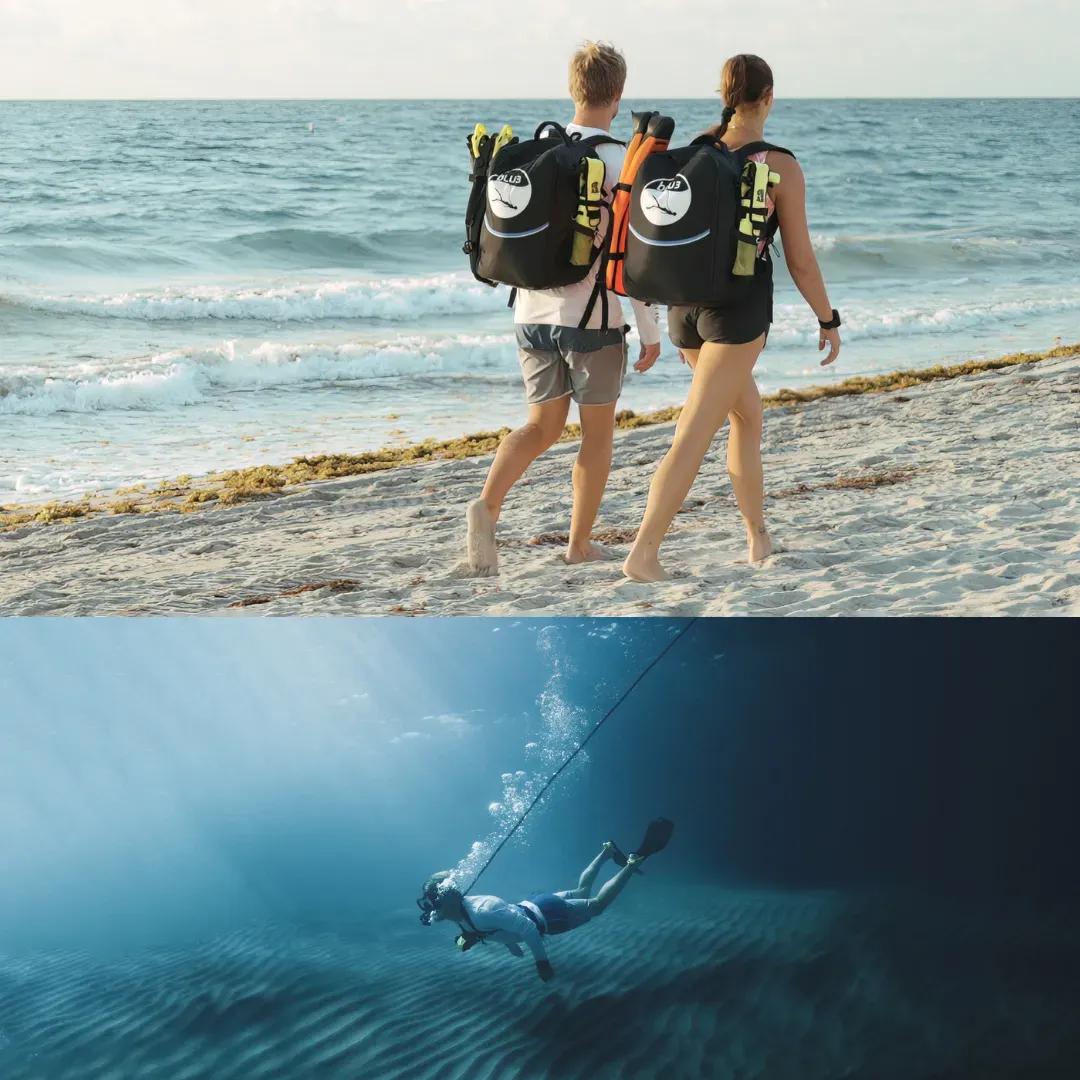
During underwater inspections, technicians employ several key techniques to identify leaks and assess pool conditions:
- Visual Examination: Careful inspection of pool walls, floors, and fittings for cracks, gaps, or signs of water movement.
- Dye Confirmation: Observing dye behavior underwater to pinpoint leak sources.
- Documentation: Using underwater cameras to record findings for analysis and reporting.
These techniques, combined with the use of surface-supplied air systems, enable thorough and safe inspections.
Safety Protocols for Underwater Inspections
Safety is critical when performing underwater inspections. Technicians must adhere to established protocols, including:
- Proper Training: Technicians should have formal dive training, and scuba certification is strongly recommended to ensure competence in underwater operations.
- Use of Appropriate Equipment: Employing reliable surface-supplied air systems and personal protective gear suitable for pool environments.
- Emergency Preparedness: Having clear emergency procedures and support personnel available during inspections.
Following these safety measures helps minimize risks and ensures inspections are conducted professionally and securely.
Streamlined Repair Considerations
While the primary focus of leak detection is accurate diagnosis, understanding common repair approaches is useful for technicians coordinating with repair specialists. Typical repair methods include:
- Epoxy Sealants: Used to fill cracks and seal leaks in pool surfaces.
- Patch Applications: Quick fixes for minor leaks using specialized patch kits.
- Professional Structural Repairs: For significant damage, involving specialized contractors.
Technicians should provide detailed inspection reports to guide effective repair strategies.