
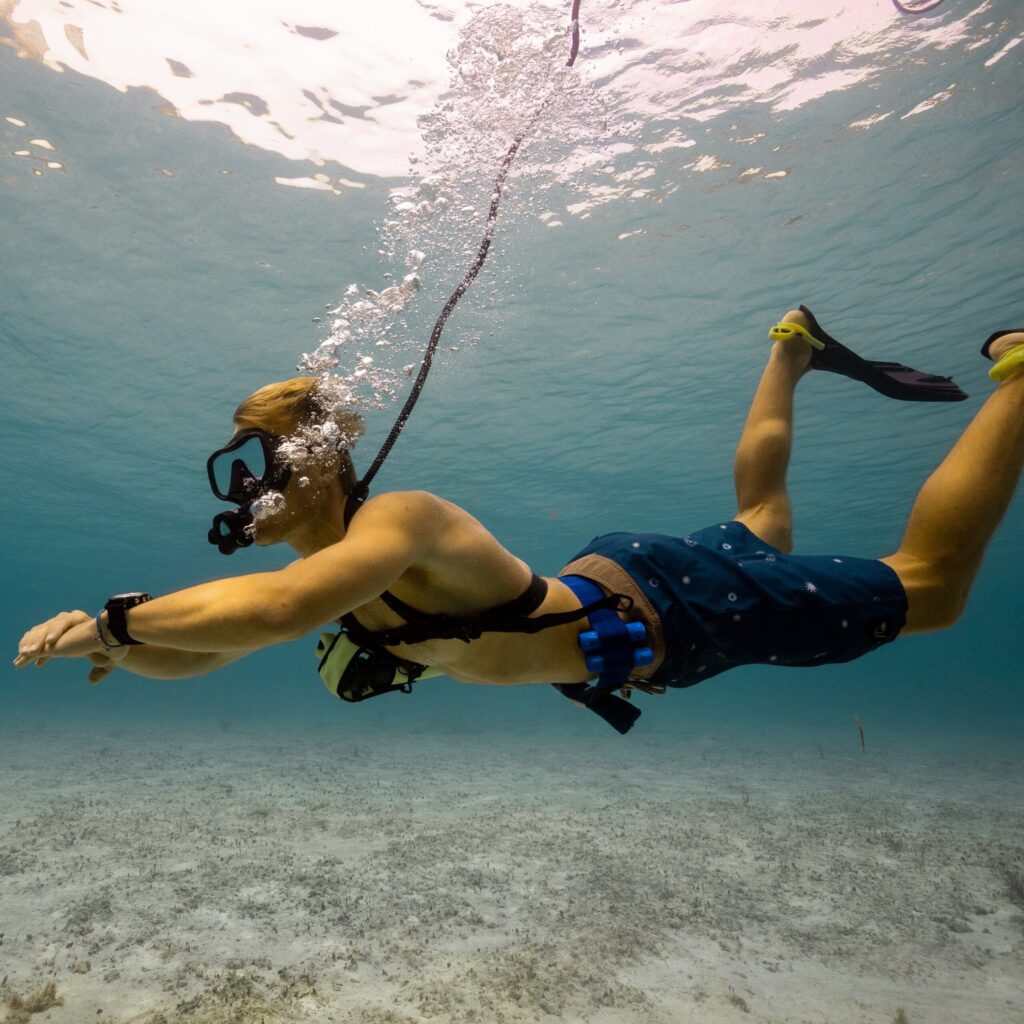
BLU3 Nomad vs AirBuddy: Best Portable Tankless Dive Systems for Surface Air Supply
The search for reliable, truly portable tankless dive systems centers on air delivery, ease of transport, and practical deployment in real-world dive scenarios. This article compares two leading portable approaches with an emphasis on how tankless systems compress and deliver ambient surface air, how portability and battery systems shape field use, and which user profiles gain the most value. Readers will learn what tankless technology is, how the BLU3 Nomad implements its air delivery design, how it stacks up against AirBuddy in performance and portability, who benefits most from these systems, and what maintenance and purchase considerations matter. The analysis focuses on technical mechanisms, operational workflows, and buying guidance while keeping product references to official BLU3 offerings as contextual examples. By the end you’ll have an evidence-oriented framework for selecting a portable tankless dive system suited to shore dives, boat operations, and photography sessions. For a detailed breakdown, see our full comparison of BLU3 Nomad vs AirBuddy.
What is a Portable Tankless Dive System and How Does It Work?
A portable tankless dive system is a self-contained breathing-air device that compresses and delivers ambient surface air to a diver without relying on a pre-filled cylinder. The mechanism typically integrates a rechargeable power source, a compression/delivery module, and a regulator-style mouthpiece that meters airflow to the user. This architecture replaces heavy cylinders with modular components that enable repeated short dives or surface support with a compact footprint, improving mobility and logistical flexibility. Understanding this core design helps explain why tankless systems are valued for rapid deployment, lightweight transport, and straightforward recharge workflows. The next subsection explains how a flagship unit like the BLU3 Nomad implements its airflow using those same component classes.
How Does the BLU3 Nomad Provide Air Supply?
The BLU3 Nomad supplies breathing air by combining a powered compression and delivery module with a regulated mouthpiece interface that controls flow to the diver. BLU3, based in South Florida, USA, is a sister company of Brownie’s Third Lung, bringing a rich heritage of dive innovation to its portable systems. A battery-driven drive system powers the compressor while an integrated controller modulates pressure and delivery to match the diver’s breathing pattern, providing air without a traditional tank. BLU3 Nomad’s design separates the battery pack, compressor, and mouthpiece into accessible components, which supports modular maintenance and field swaps when necessary. For readers interested in specifications or purchase options, BLU3 publishes official product pages that describe the Nomad and Nomad Mini as tangible examples of this architecture. Understanding these component interactions clarifies the advantages and trade-offs compared with conventional scuba setups.
What Are the Key Features of Tankless Dive Technology?
Tankless dive systems share several technical and user-facing features that distinguish them from cylinder-based scuba gear. These features focus on portability, power management, and simplified user interfaces that reduce setup time and storage requirements.
- Portability and Compact Form Factor: Smaller housings and modular packs allow easier carriage and storage on boats or vehicles.
- Rechargeable Battery Systems: Swappable or integrated batteries enable repeated sessions without the need for cylinder fills.
- Regulated Mouthpiece/Interface: Simplified regulator designs and low-drag hoses deliver comfortable breathing and reduce complexity.
These features make tankless systems especially useful for short excursions and surface support roles. The next section contrasts how these characteristics play out when comparing BLU3 Nomad and AirBuddy in real-world performance and portability.
How Does BLU3 Nomad Compare to AirBuddy in Performance and Portability?
A head-to-head comparison focuses on transport weight, power workflow, practical packability, and field deployment speed—factors that determine which device fits particular user scenarios. In general terms, BLU3 Nomad emphasizes modular components and a compact, user-oriented control interface, while AirBuddy prioritizes a different balance of size, layout, and accessory options. The following EAV table provides a concise side-by-side technical and practical comparison that highlights core differences without inventing numerical specs.
This table summarizes primary attributes relevant to buyer decisions:
This technical snapshot clarifies how model design choices translate to field use. The subsequent paragraphs explore specific advantages, battery and weight trade-offs, and operational implications to aid selection. Find more details at the full BLU3 vs Airbuddy comparison page.
What Advantages Does BLU3 Nomad Offer Over AirBuddy?
BLU3 Nomad’s design emphasizes quick deployment, modular maintenance, and ergonomic controls that streamline routine dives and surface support tasks. Users benefit from an integrated control interface that simplifies pressure and airflow management, plus a serviceable modular layout that isolates battery, compressor, and mouthpiece components for easier field swaps or repair. These design decisions reduce time between sessions by simplifying pre-dive checks and component swaps, which is valuable for photographers and boat operators who must repeatedly enter and exit the water. Many practitioners prefer the Nomad when portability, user-friendly controls, and component-level maintenance are top priorities. The next subsection drills into how battery and weight characteristics affect operational choices.
How Do Battery Life and Weight Differ Between BLU3 Nomad and AirBuddy?
Battery and weight differences shape how divers plan dives, transport gear, and provision charging on boats or at shore locations. BLU3 Nomad is positioned around modular battery workflows and lightweight packaging to enable manageable transport and quicker swaps; alternative systems may trade smaller size for fewer runtime options or vice versa. Practical implications include decisions about spare batteries, charger capacity, and packing strategy for shore versus boat use. The following list highlights operational considerations that arise from battery and weight trade-offs.
- Spare Battery Planning: Bring additional battery units for extended sessions or multiple successive divers.
- Charger and Power Logistics: Evaluate onboard charging capacity and DC options before extended trips.
- Packing Strategy: Distribute weight across soft luggage or hard cases to protect modular components.
These considerations directly affect session length and convenience, leading to choices that reflect expected use cases and support logistics for typical dive days.
Who Benefits Most from Using BLU3 Nomad Portable Dive Systems?
Portable tankless systems serve a range of user profiles, but they particularly benefit people who prioritize mobility, frequent short dives, and simple logistics. Typical high-value personas include recreational divers wanting lightweight gear for spontaneous swims, snorkelers seeking surface support, boat owners requiring compact backup systems, and underwater photographers who need mobility and quick redeployments between shots. Mapping system features to persona needs helps buyers select the right configuration and accessories for their primary activities. The next subsections focus on recreational and professional use cases to illustrate practical workflows.
Why Is BLU3 Nomad Ideal for Recreational Divers and Snorkelers?
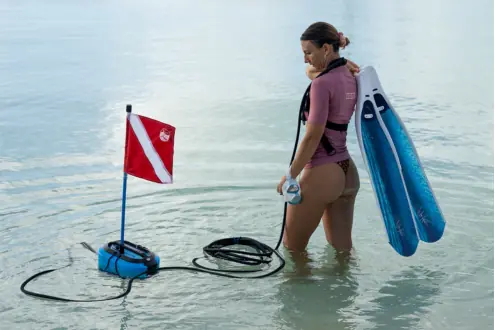
Recreational divers and snorkelers gain immediate advantages from tankless portability because it reduces the equipment burden and enables quick, low-friction entries from shore or boat. The Nomad’s modular components allow a typical recreational user to carry a single compact unit rather than heavy cylinders, and the simplified mouthpiece/regulator interface shortens the learning curve for those new to independent-air systems. For casual surface support or short submerged excursions, the unit’s form factor reduces setup complexity and storage requirements. A concise checklist for recreational users summarizes what to prepare before a session.
- Pack the modular battery and charger
- Verify mouthpiece and hose integrity
- Confirm pumping status and perform a quick flow check
Can Boat Owners and Underwater Photographers Rely on BLU3 Nomad?
Boat owners and underwater photographers often need a reliable, compact source of air that integrates with limited on-board storage and power constraints. BLU3 Nomad’s compact packaging and modular battery approach make it feasible to store units in small compartments and swap batteries between dives without bulky cylinders. Photographers benefit from the mobility to reposition quickly and to support subjects without hauling full tank setups.
Practical workflows include staging charged batteries, securing the compressor module during rough transit, and pre-rigging the mouthpiece assembly for rapid deployment.
Why Choose BLU3 Nomad: User Testimonials and Industry Recognition
Decisions about portable tankless systems are strengthened by aggregated user experiences and industry adoption signals that reflect real-world utility. Users commonly emphasize portability, ease of setup, and suitability for short sessions as primary benefits, while industry commentary highlights the growing category relevance of compact, rechargeable systems for recreational and commercial niche use. BLU3 Nomad’s positioning as a purpose-built portable tankless system aligns with those trends and supports choices for users seeking a balanced blend of mobility and operational control. The next subsections summarize user feedback themes and how industry data maps to BLU3’s product focus.
What Do Recreational Divers Say About BLU3 Nomad Performance?
Aggregated user feedback themes for portable tankless units emphasize portability, straightforward setup, and predictable performance for short-duration dives and surface support roles. Recreational divers frequently note that compact systems reduce logistical friction and enable more frequent spontaneous dives, while some users point out the importance of spare batteries and routine checks to maintain session continuity. These recurring themes—ease of transport, quick deployment, and the need for charge planning—help prospective buyers evaluate fit for their typical activities. Understanding these trade-offs is essential when choosing between different portable systems.
How Does Industry Data Support BLU3 Nomad’s Market Leadership?
Recent market trends show increasing interest in lightweight, rechargeable personal diving systems and accessories that prioritize mobility and user convenience. This shift is driven by divers and operators seeking lower logistical overhead and easier storage compared with traditional cylinder fleets. BLU3’s focus on portable, tankless solutions corresponds to these adoption drivers by emphasizing modular components, battery-centered workflows, and simplified user interfaces. Aligning product design with market preference for smaller, rechargeable systems positions BLU3 to meet growing demand among recreational and niche professional users.
Where to Buy BLU3 Nomad and How to Get the Best Deals?
Purchasing through official channels and authorized sellers ensures access to warranty, support, and correct configuration options for BLU3 Nomad products. Official product pages for the BLU3 Nomad and Nomad Mini provide authoritative specification lists, accessory options, and configuration bundles that help buyers compare offerings. When evaluating deals, look for bundled spare batteries, chargers, and protective cases that match your operational needs rather than lowest price alone. The table below clarifies purchase references and recommended notes for prospective buyers.
Referencing official product information and authorized sellers reduces the risk of purchasing unsupported or incompatible accessories. The next subsections list where to find official product pages conceptually and how to judge bundles.
What Are the Official BLU3 Nomad Product Pages and Purchase Options?
Official product pages for the BLU3 Nomad family provide the most reliable specification information, accessory compatibility, and authorized purchasing options. Buyers should consult the manufacturer’s official pages to confirm available configurations, accessory bundles, and warranty terms before purchase. When reviewing official product pages, focus on listed components—battery options, mouthpiece/regulator interfaces, and modular accessories—to assemble a kit that matches your dive profile. Verifying support pathways and return policies on official channels adds protection to the purchase process.
Are There Special Offers or Bundles for BLU3 Nomad Buyers?
Special offers and bundles for portable tankless systems commonly include spare battery packs, protective cases, chargers, and mouthpiece accessories; evaluating bundles based on your intended use is more important than selecting the cheapest package. A well-chosen bundle can reduce total ownership cost by including items you would otherwise buy separately and can improve readiness by providing spare batteries and protective storage. When comparing offers, check bundle contents and support terms to ensure compatibility and warranty coverage; prioritize authorized channels that guarantee genuine parts.