
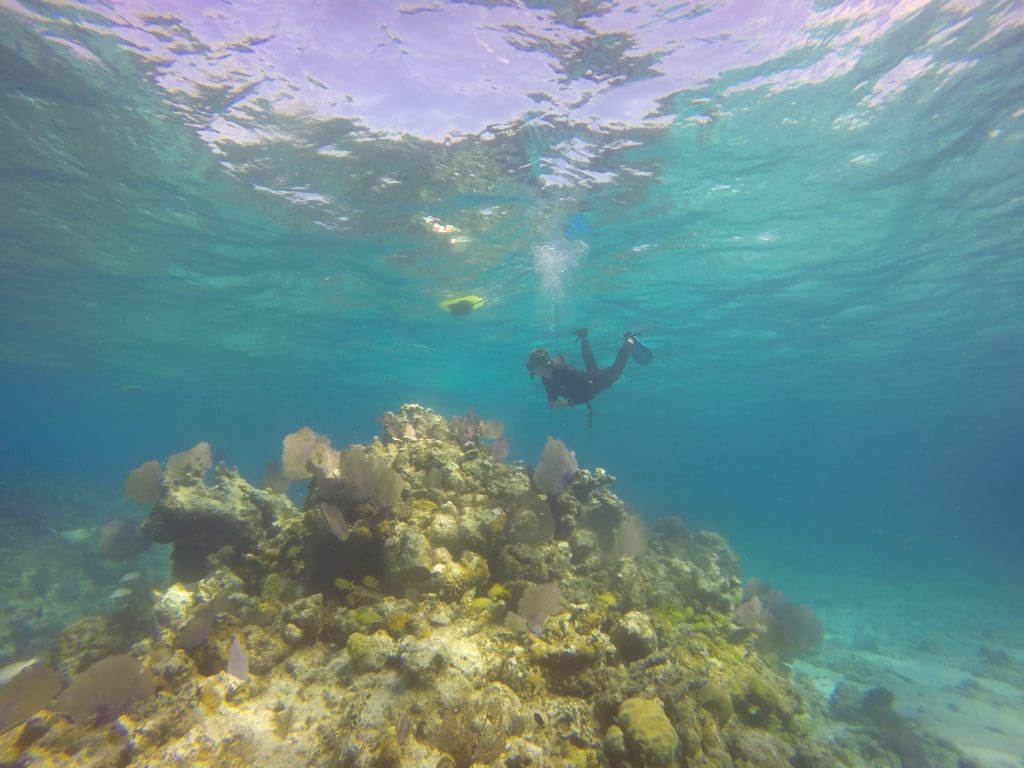
Benefits of Tankless Diving
Tankless diving offers numerous advantages over traditional scuba systems, making it an appealing choice for both novice and experienced divers. The absence of heavy tanks allows for greater mobility and less physical strain, enabling divers to explore underwater environments more freely.
Additionally, tankless systems are designed for shorter dives, which can be ideal for activities like snorkeling or shallow reef exploration. This makes them accessible to a broader audience, including those who may find traditional diving equipment cumbersome or intimidating.
Safety Tips for Tankless Diving
Safety is paramount in any diving activity, and understanding the specific risks associated with tankless diving is crucial. Divers should always be aware of their surroundings, monitor their air supply closely, and ensure they have a clear understanding of the dive site before entering the water.
Moreover, divers are encouraged to practice proper buoyancy control and to dive with a buddy whenever possible. This not only enhances safety but also enriches the diving experience, allowing for shared exploration and support.
Tankless Diving Gear Essentials
Choosing the right gear is essential for a successful tankless diving experience. Essential items include a reliable tankless dive system, a wetsuit for thermal protection, and a mask and snorkel for enhanced visibility and comfort in the water.
Moreover, divers should consider additional accessories such as fins for efficient movement, a dive computer for monitoring depth and time, and safety equipment like a surface marker buoy to signal their location to boaters or other divers.
Exploring Underwater Ecosystems
One of the most rewarding aspects of tankless diving is the opportunity to explore diverse underwater ecosystems. From vibrant coral reefs to serene kelp forests, each dive offers a unique glimpse into marine life and habitats that are often inaccessible by traditional diving methods.
Engaging with these ecosystems not only enhances the diving experience but also fosters a deeper appreciation for marine conservation. Divers can observe a variety of species and contribute to the understanding of underwater environments through responsible diving practices.